Monitoring valve pressure is a crucial aspect for anyone working with valve systems, especially industrial engineers. Properly managing and supervising these systems can prevent disasters and improve performance. This article will delve into the intricacies of how to monitor valve pressure effectively, why it’s critical, and the technologies involved in the process.
The Importance of Valve Pressure Monitoring
Understanding the significance of valve pressure monitoring begins with recognizing the role valves play in regulation and safety. Valves control the flow and pressure of gases and liquids, maintaining balance within systems. Without diligent monitoring, there’s a risk of leaks, blockages, or worse, failures, which can lead to significant safety hazards and loss.
Key Elements of Valve Pressure Management
To manage valve pressure effectively, it is essential to consider several factors:
Regular Maintenance Checks
Frequent inspections and maintenance of valves ensure that all hardware is operating correctly. These checks help in identifying early signs of wear and potential leaks before they escalate into serious problems. For more guidance, you might want to visit this article on regular maintenance.
Use of Technology and Automation
Advancements in technology have ushered in smart valves that offer real-time data and can adjust settings automatically as needed. Implementing such systems can optimize operations significantly. More insights on smart valves can be found in this informative piece.
Pressure Sensors and Gauges
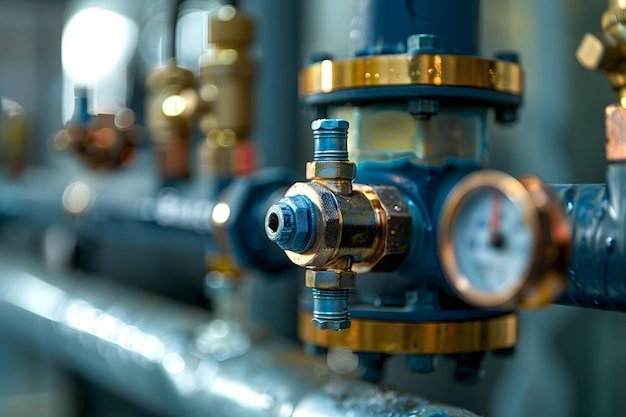
These devices are instrumental in providing accurate readings of the pressure within systems. Regular calibration of sensors and gauges is necessary to maintain accuracy. Learn about troubleshooting potential sensor issues from this industry article.
Benefits of Monitoring Valve Pressure
Consistent monitoring leads to numerous benefits:
- Increased Safety: Predictive maintenance can prevent accidents.
- Cost Efficiency: Minimizing the risk of leaks and failures leads to less downtime and repair costs.
- Optimal Performance: Proper pressure levels ensure that systems work efficiently.
Challenges in Valve Pressure Monitoring
While monitoring is essential, it comes with its share of challenges:
Environmental Factors
Extreme temperatures and corrosive environments can hinder the functioning of valves and their monitoring equipment.
Technical Malfunctions
Regular updates and maintenance of digital monitoring systems are required to keep all equipment in good working order.
Future Trends in Valve Monitoring
The future looks promising with the integration of IoT and AI in valve pressure management, providing more precise control and automation. If you’re interested, here’s an external resource on the topic.
Conclusion
Monitoring valve pressure is more than a safety measure; it’s part of strategic operational management, ensuring efficiency and reliability across industries. The adoption of new technologies and consistent maintenance routines will further enhance the value gained from these systems.
FAQs
Why is valve pressure monitoring important for industrial engineers?
Valves are crucial for controlling fluid and gas flow, making their pressure monitoring vital for safety and efficiency.
What technologies can assist in effective valve pressure monitoring?
Advanced sensors, IoT integrations, and smart valves offer significant improvements in monitoring accuracy.
How often should valve pressure be checked?
Regular checks are recommended, ideally as part of a scheduled maintenance routine to catch any issues early.
This article contains affiliate links. We may earn a commission at no extra cost to you.