In the realm of industrial engineering, understanding the function and significance of low-pressure relief valves is crucial. These devices play a pivotal role in maintaining safety and efficiency in various systems. Whether you’re working with pipelines, tanks, or other pressurized equipment, a comprehensive grasp of these valves ensures operations run smoothly, preventing potential hazards.
Low-pressure relief valves are designed to release excess pressure from a system, thereby averting potential incidents such as equipment failure or explosions. Their primary function is to act as a safeguard, ensuring that pressure levels within a system remain within safe limits. This article delves into the intricacies of these valves, providing industrial engineers with the knowledge they need to implement and maintain them effectively.
The Importance of Low-Pressure Relief Valves
Safety is the paramount concern in any industrial setting, and low-pressure relief valves are integral to maintaining it. By automatically releasing pressure when it exceeds a preset level, these valves prevent catastrophic failures. This function is particularly vital in environments where pressure fluctuations are common and could lead to significant damage if not properly managed.
Moreover, these valves contribute to operational efficiency by minimizing downtime. When pressure is managed correctly, equipment can operate at optimal levels without the risk of interruptions caused by overpressure situations. This seamless operation not only boosts productivity but also extends the lifespan of machinery.
How Low-Pressure Relief Valves Work
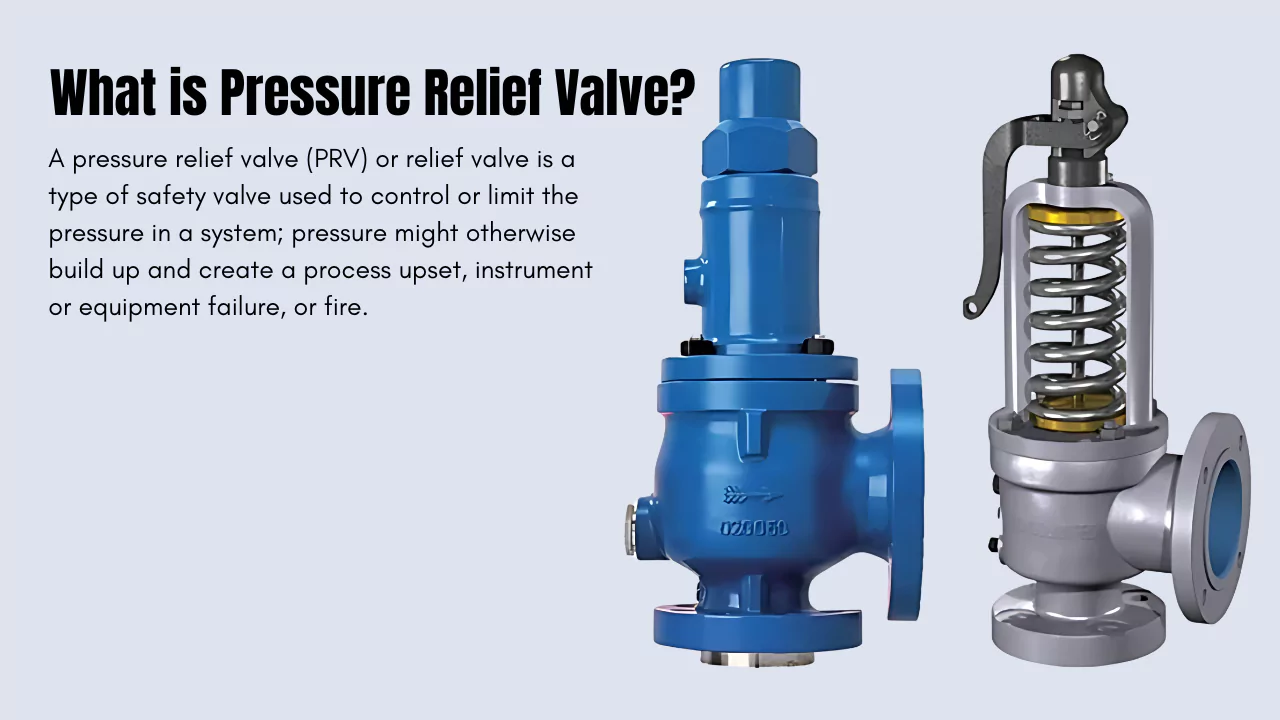
At their core, low-pressure relief valves are designed to open at a specific set pressure, allowing excess pressure to escape and thus preventing potential system failures. They are typically spring-loaded devices that remain closed until the system pressure reaches a critical point. Once this threshold is crossed, the valve opens, releasing pressure until the system returns to a safe level.
These valves are engineered to be highly sensitive and responsive, ensuring they activate precisely when needed. This precision is essential in maintaining the integrity of the system they are protecting. For a deeper understanding of how these valves function, you can explore more about valve pressure settings.
Types of Low-Pressure Relief Valves
There are several types of low-pressure relief valves available, each designed to cater to specific requirements and environments. The most common types include:
1. Spring-Loaded Relief Valves
These are the most widely used due to their simplicity and reliability. They are designed to open at a predetermined pressure level and are suitable for a wide range of applications.
2. Pilot-Operated Relief Valves
These valves are ideal for systems that require precise control over pressure levels. They use a pilot valve to control the opening and closing of the main valve, offering greater accuracy.
3. Balanced Bellows Relief Valves
These are specifically designed to counteract the effects of backpressure, making them suitable for systems where backpressure is a concern.
For more detailed insights into the various types of relief valves, consider visiting this guide.
Applications of Low-Pressure Relief Valves
Low-pressure relief valves are utilized across various industries due to their versatility and effectiveness. Some of the key applications include:
1. Chemical Processing
In chemical plants, maintaining precise pressure levels is crucial to prevent reactions that could lead to dangerous situations. These valves ensure that pressure is consistently regulated.
2. Oil and Gas
The oil and gas industry often deals with volatile substances under pressure. Low-pressure relief valves are essential in these settings to prevent leaks and explosions.
3. Water Treatment
In water treatment facilities, these valves help manage pressure in pipelines and storage tanks, ensuring continuous and safe operations.
For more information on the application of these valves in water heaters, you can check out this link.
Maintenance and Testing of Low-Pressure Relief Valves
Regular maintenance and testing of low-pressure relief valves are vital to ensure their proper functioning. Neglecting this aspect can lead to valve failure, posing significant risks to safety and productivity.
1. Routine Inspections
Conducting routine inspections helps identify potential issues before they escalate. Check for signs of wear and tear, corrosion, and other damages that might impair the valve’s function.
2. Testing Frequency
It is recommended to test these valves at least once a year, although more frequent testing might be necessary in high-risk environments. For guidelines on testing frequency, you can refer to this resource.
3. Professional Servicing
Having a professional service your valves ensures they are maintained to the highest standards, minimizing the risk of failure.
Challenges and Solutions in Using Low-Pressure Relief Valves
While low-pressure relief valves are essential, they come with their own set of challenges. Understanding these challenges and their solutions is key to effective implementation.
1. Valve Sizing
Choosing the correct valve size is crucial. An improperly sized valve can result in insufficient pressure relief or unnecessary system shutdowns.
2. Material Selection
The materials used in valve construction must be compatible with the substances they will encounter. This prevents corrosion and extends the valve’s lifespan. For more on seal materials, you can visit this article.
3. Environmental Conditions
Environmental factors such as temperature and humidity can affect valve performance. It’s essential to select valves that are designed to withstand specific environmental conditions.
Future Trends in Low-Pressure Relief Valves
The field of low-pressure relief valves is continually evolving, with advancements in technology leading to more efficient designs. Some trends to watch include:
1. Smart Valves
The integration of IoT technology is enabling the development of smart valves that offer real-time monitoring and remote control capabilities.
2. Eco-Friendly Designs
As industries strive for sustainability, there is a growing demand for valves designed with environmentally friendly materials and processes.
Conclusion
In conclusion, low-pressure relief valves are indispensable components in industrial systems, providing critical safety and operational efficiency. By understanding their function, applications, and maintenance requirements, industrial engineers can ensure these valves perform optimally, safeguarding both personnel and equipment. For a broader understanding of pressure relief and check valves, consider reading this external resource.

FAQs on Low-Pressure Relief Valves
1. What are the key considerations when selecting a low-pressure relief valve?
Key considerations include the system’s pressure requirements, the materials being handled, and the environmental conditions.
2. How often should low-pressure relief valves be tested?
Testing frequency depends on the system’s risk level, but annual testing is generally recommended. More frequent testing may be necessary in high-risk environments.
3. What are the common materials used in low-pressure relief valves?
Common materials include stainless steel, bronze, and various alloys, chosen for their durability and compatibility with the substances they encounter.
This article contains affiliate links. We may earn a commission at no extra cost to you.