
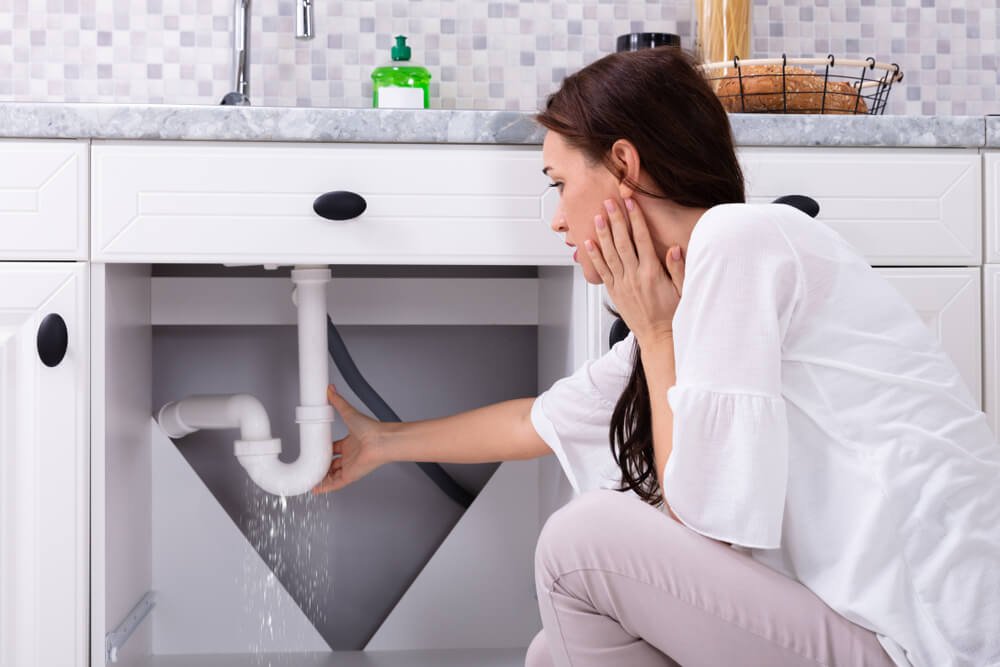
Experiencing a leak under bathroom sink can be a common yet frustrating issue for many homeowners. Often, such leaks can lead to water damage and mold growth if not addressed promptly. This article aims to shed light on the causes, solutions, and preventive measures one can take to handle a leak under the bathroom sink.
Common Causes of a Leak Under Bathroom Sink
1. Faulty Plumbing Connections
One prevalent cause of leaks is faulty plumbing connections. Over time, connections can loosen due to wear and tear, leading to leaks. Regular inspection and maintenance can help prevent such issues.
2. Worn-Out Seals and Washers
Seals and washers can degrade over time, resulting in leaks. These components are crucial in maintaining a water-tight seal, and any deterioration can lead to water escaping from the pipes.
3. Damaged Pipes
Pipes can crack or break due to various factors such as corrosion, freezing, or physical damage. Damaged pipes are a significant source of leaks and require immediate attention to prevent further water damage.
4. Clogged Drains
Clogged drains can cause water to back up and leak out of the sink. Regular cleaning and maintenance of drains can help avoid such issues.
Solutions to Fix a Leak Under Bathroom Sink
1. Tightening Connections
If the leak is due to loose connections, simply tightening them might solve the problem. Use a wrench to ensure connections are secure, but take care not to over-tighten as this can cause damage.
2. Replacing Seals and Washers
Replacing worn-out seals and washers is often a straightforward fix. Ensure you have the correct sizes and materials when purchasing replacements from a hardware store.
3. Repairing or Replacing Pipes
For damaged pipes, consider repairing minor cracks with pipe repair tape or sealant. In cases of severe damage, replacing the pipe may be necessary. Consulting with a professional plumber can provide the best course of action.
4. Unclogging Drains
To address a clogged drain, use a plunger or a plumbing snake to remove the blockage. For persistent clogs, chemical drain cleaners or professional services might be needed.
Preventive Measures to Avoid Future Leaks
1. Regular Inspections
Conduct regular inspections of your plumbing system to catch potential issues early. Check for signs of wear and tear, such as rust or corrosion on pipes and fittings.
2. Use Quality Materials
Investing in high-quality plumbing materials can help reduce the likelihood of leaks. Durable materials are less likely to deteriorate quickly, providing a longer-lasting solution.
3. Proper Installation
Ensure that all plumbing installations are done correctly. Faulty installations can lead to leaks and other issues, so it may be wise to hire a professional plumber for major installations.
4. Maintain Proper Drain Flow
Keep your drains clear and free-flowing by avoiding the disposal of inappropriate substances. Regular cleaning can prevent clogs that lead to leaks.
Conclusion
Dealing with a leak under the bathroom sink requires understanding the underlying causes and implementing effective solutions. Regular maintenance and preventive measures can significantly reduce the risk of future leaks. For more detailed guidance, you can refer to resources such as bathroom leak fix and find a bathroom leak.
FAQs
1. How do I identify a leak under bathroom sink?
Look for signs such as water pooling, dampness, or mold around the sink area. A musty smell can also indicate a leak.
2. Can I fix a leak under bathroom sink myself?
Yes, many leaks can be fixed by tightening connections or replacing components like seals and washers. However, for complex issues, consulting a plumber is advisable.
3. How often should I inspect my bathroom plumbing?
Regular inspections every six months can help identify potential issues early and prevent leaks.
This article contains affiliate links. We may earn a commission at no extra cost to you.