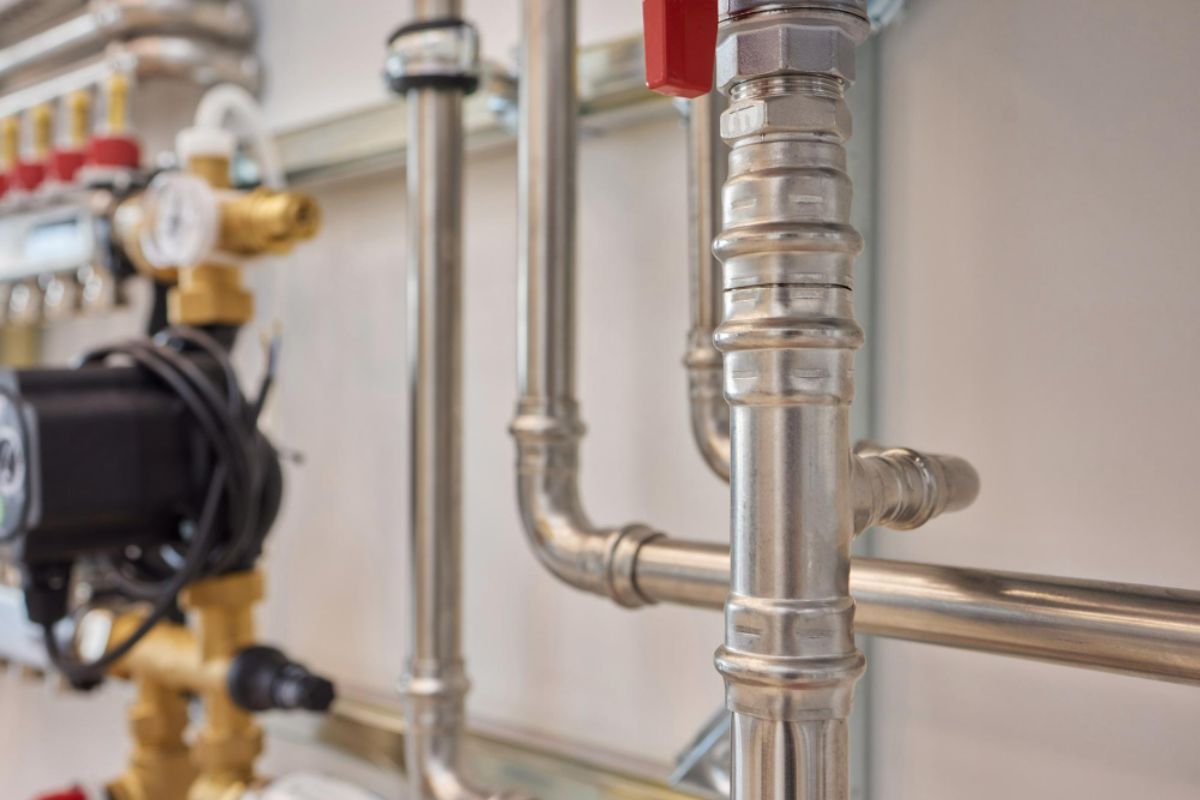

The advent of the Internet of Things (IoT) has opened an era of unparalleled connectivity, influencing numerous sectors, including water management. Among these advancements, the IoT water valve stands out as a pivotal development, dramatically transforming water control systems within both residential settings and vast industrial networks. Within the initial sections of this article, we will delve deep into the concept and significance of the IoT water valve, analyzing its impact and future potential.
Water leaks, inefficiencies in water usage, and the need for remote management have always been challenges for engineers and homeowners alike. The inception of the IoT water valve addresses these concerns by offering real-time monitoring, automated control, and enhanced efficiency. Whether you’re an industrial engineer overseeing a complex system or a homeowner concerned about your water usage, understanding the functionalities and benefits of these smart valves is crucial.
How Does an IoT Water Valve Work?
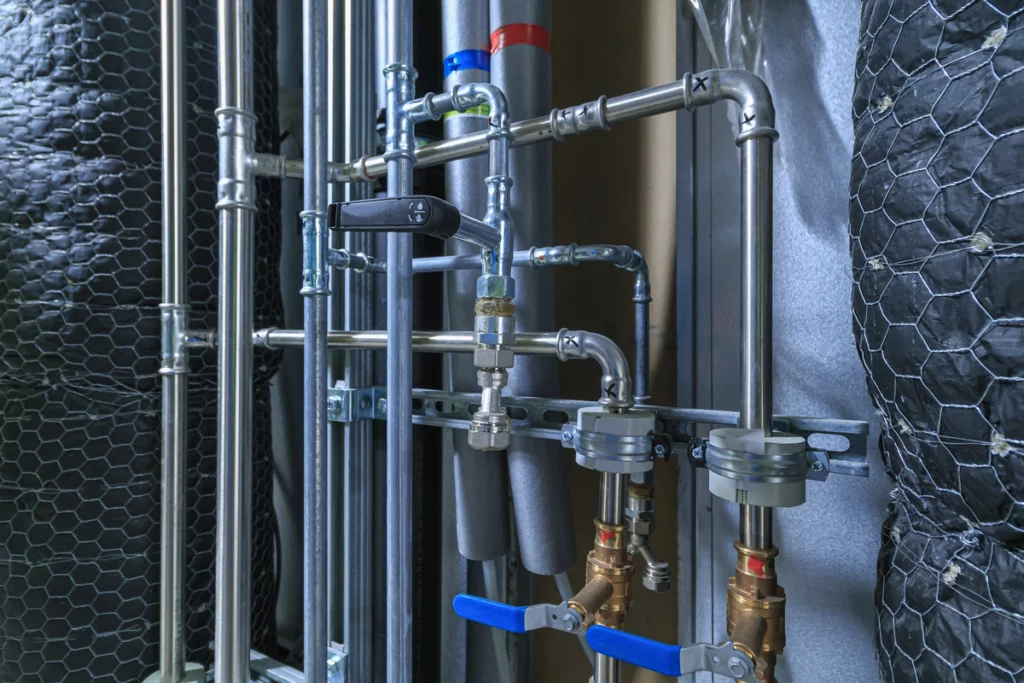
An IoT water valve integrates seamlessly with a host of sensors and digital systems, allowing for precise monitoring and management of water flow. These valves are typically equipped with Wi-Fi or Bluetooth capabilities, connecting them to devices such as smartphones or dedicated control systems. This connectivity allows users to open or shut water valves remotely, set schedules, and receive alerts on water usage or leaks.
The Role of Sensors in IoT Water Valves
The efficacy of an IoT water valve largely depends on the sensors it uses. These sensors can detect changes in water pressure, flow rates, or potential leaks. When anomalies are detected, the system can automatically adjust the flow or send notifications to the user, preventing potential disasters such as flooding.
Applications of IoT Water Valves in Different Sectors
The applications of IoT water valves are vast and varied, across different sectors. Their integration benefits not just residential areas but also plays a vital role in industries.
Residential Applications
At home, IoT water valves can lead to more sustainable water management. With real-time data, homeowners can make informed decisions about their water usage, potentially reducing waste and costs significantly. Moreover, the ability to detect leaks in real-time means issues can be addressed before they become costly repairs.
Industrial Applications
Industries where large volumes of water are used, such as manufacturing plants or agriculture, benefit greatly from these valves. They ensure optimal water use, reducing waste and improving the efficiency of operations. The ability to control and monitor these systems remotely means faults can be identified and resolved quickly, minimizing downtime and maintenance costs. For more detailed insights on industrial applications, check the role of smart valves in industry.
Comparison: Traditional vs. IoT Water Valves
Traditional water valves offer basic functionality either allowing water to flow or stopping it. In contrast, IoT water valves provide numerous advanced features such as:
- Automation: Automate water flow based on pre-set schedules or real-time conditions.
- Remote Control: Manage your water systems from anywhere, using an app or browser.
- Data Insights: Gather insights into your water usage, helping improve efficiency and lower costs.
- Alerts: Receive immediate alerts for leaks or unusual activities, allowing for quick action.
Read more about the differences and benefits of smart valves in systems to understand how these technologies can revolutionize both home and industrial settings.
Importance of IoT Water Valves in Resource Conservation
One of the most crucial benefits of IoT water valves is their contribution to resource conservation. By providing real-time data and automation, these valves significantly reduce waste. This is especially important considering the increasing global scarcity of water resources.
Integration with Smart Home Systems
IoT water valves are a fundamental component of modern smart home systems. They integrate with existing hubs and allow for comprehensive water management as part of a holistic approach to home automation.
Enhancing Safety and Reducing Costs
For many homeowners, the primary benefit of IoT water valves is enhanced safety. Leaks and water damage pose substantial risks, often resulting in expensive repairs. By detecting issues early, these valves help prevent disasters, translating into significant cost savings over time.
Future Potential and Innovations
The future potential of IoT water valves is vast. As the technology matures, we can expect further enhancements in connectivity, reliability, and functionality. New technologies might soon allow for even more precise control and automation, further expanding the scope and utility of these devices.
Embracing Smart Water Management
The way forward lies in embracing smart technologies for water management. Learning about these and adopting systems that employ IoT water valves will help ensure sustainable and efficient utilization of water resources.
Conclusion
The IoT water valve is undoubtedly a revolutionary innovation, transforming how we manage water at homes and across industries. Its ability to provide real-time data, automate responses, and offer remote control and insights makes it an invaluable tool for anyone keen on optimizing water use. The shift from traditional systems to IoT-enabled solutions is not just a trend but a necessary evolution towards sustainability and efficiency.
For further understanding, explore this introduction to smart valves and discover how they are revolutionizing fluid control.
FAQs on IoT Water Valves
1. How do IoT water valves contribute to energy efficiency?
IoT water valves help in reducing excess water usage, detecting leaks early, and optimizing flow, thereby conserving energy and resources.
2. What is the difference between a traditional valve and an IoT water valve?
Traditional valves offer basic functions, while IoT water valves provide advanced features like automation, remote control, and detailed usage insights.
3. Can IoT water valves integrate with other smart home devices?
Yes, IoT water valves can usually integrate with other smart systems, providing comprehensive home automation solutions for water management.
This article contains affiliate links. We may earn a commission at no extra cost to you.