In the vast world of industrial engineering, the choice between inline vs angle pressure relief valves is often crucial. These valves play a pivotal role in ensuring the safety and efficiency of various systems by controlling pressure levels. Understanding the differences between these two types of valves can help engineers make informed decisions.
Understanding Pressure Relief Valves
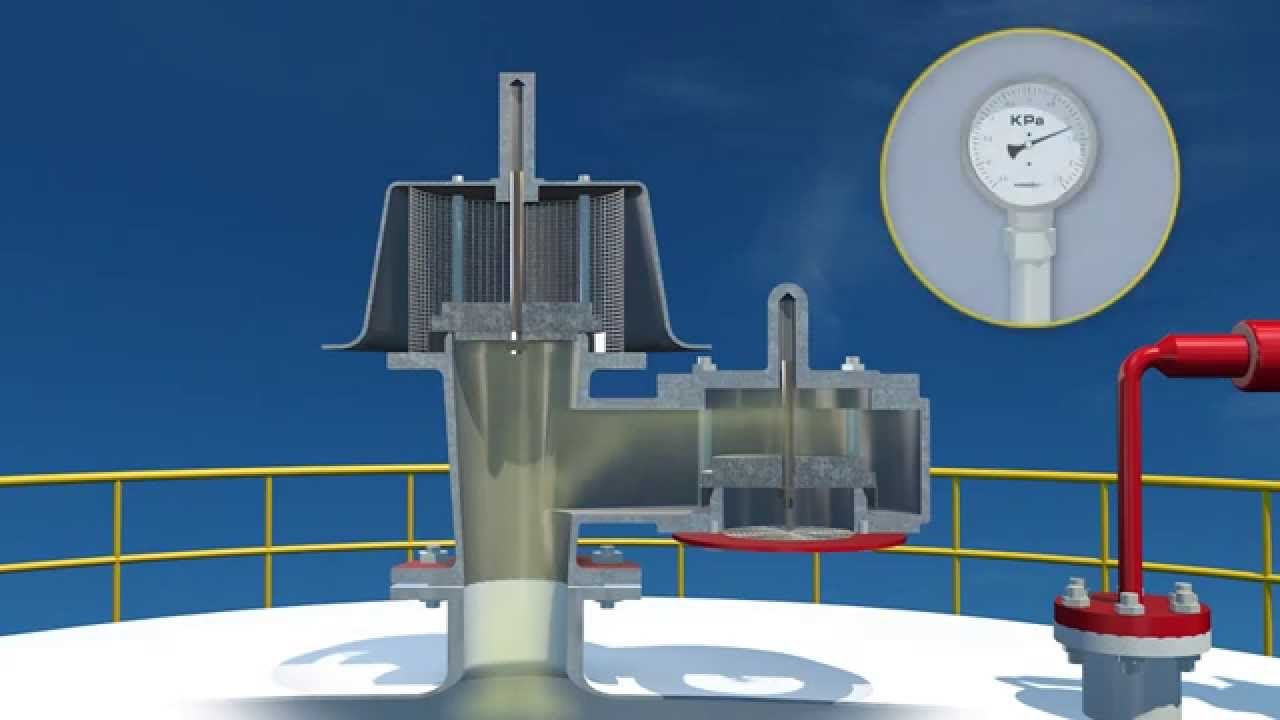
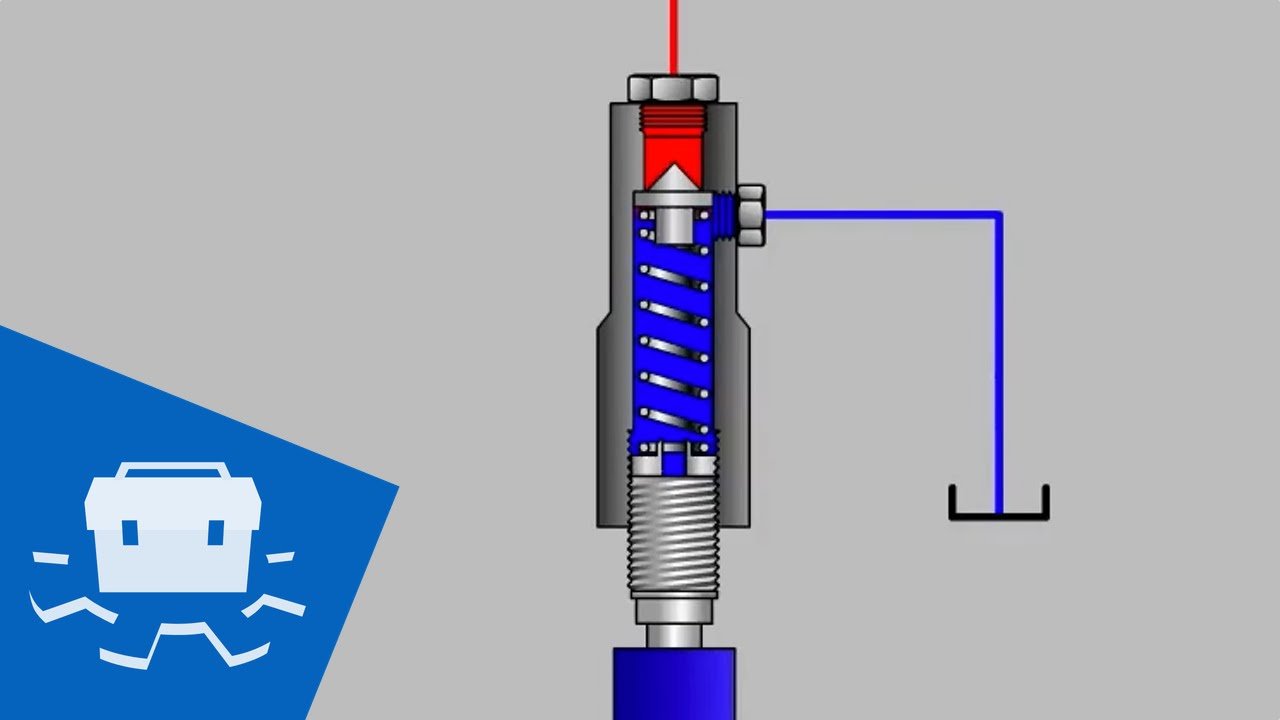
Pressure relief valves are essential components in many industrial systems. They are designed to release excess pressure from a system to prevent potential failures. The primary purpose of these valves is to protect equipment and ensure safety.
What Are Inline Pressure Relief Valves?
Inline pressure relief valves are installed directly in the line of a system. They are often favored for their straightforward design and ease of installation. These valves are typically used in applications where the pressure relief flow is in the same direction as the system flow. This design makes them ideal for pipelines and systems where space and alignment are critical.
What Are Angle Pressure Relief Valves?
Angle pressure relief valves, on the other hand, are installed at an angle to the system. They are often used when space constraints or specific system configurations require a valve that can change the direction of the flow. These valves are particularly useful in applications where the discharged fluid needs to be directed away from sensitive areas.
Key Differences Between Inline and Angle Valves
When comparing inline vs angle pressure relief valves, several key differences emerge. Understanding these differences can help engineers choose the right valve for their specific needs.
Installation Considerations
One of the most significant differences between these valves is their installation requirements. Inline valves are generally easier to install because they align with the flow of the system. Angle valves, however, require more precise placement to ensure that the discharge is directed correctly.
Flow Direction and Space
Another critical difference is the direction of flow. Inline valves maintain the same flow direction, making them suitable for straight pipeline systems. Angle valves can change the flow direction, which is advantageous in systems with space constraints or where the discharge needs to be directed away from equipment.
Applications and Use Cases
The choice between inline vs angle pressure relief valves often depends on the specific application. Inline valves are commonly used in systems where space is limited and the flow direction is straightforward. Angle valves are better suited for applications where the system configuration requires a change in flow direction.
Advantages of Inline Pressure Relief Valves
Inline pressure relief valves offer several advantages, making them a popular choice in many systems. They are easy to install and maintain, and their design allows them to handle high-pressure applications effectively.
Ease of Installation
One of the primary advantages of inline valves is their ease of installation. Because they fit directly into the line, they require minimal adjustments and are often more straightforward to set up than angle valves.
Cost-Effectiveness
In addition to being easy to install, inline valves are often more cost-effective. Their simple design and ease of maintenance reduce overall costs, making them an attractive option for many industries.
Advantages of Angle Pressure Relief Valves
Angle pressure relief valves offer unique advantages, particularly in systems with complex configurations. Their ability to change flow direction makes them valuable in applications where space and discharge direction are critical factors.
Versatility in Applications
The versatility of angle valves is one of their main advantages. They can be used in a wide range of applications, including those where space is limited or where the discharge needs to be carefully directed.
Improved Safety
By directing the discharge away from sensitive areas, angle valves can enhance safety in systems where the release of pressure could pose a risk to nearby equipment or personnel.
Choosing the Right Valve for Your System
When deciding between inline vs angle pressure relief valves, it’s essential to consider the specific requirements of your system. Factors such as space constraints, flow direction, and application needs will influence your decision.
Consulting with Experts
Consulting with experts can provide valuable insights into the best type of valve for your application. Engineers and valve manufacturers like ASME Code can offer guidance based on industry standards and specific system requirements.
Considering Long-Term Needs
When choosing a valve, it’s also important to consider long-term needs. Inline valves may offer cost savings and ease of maintenance, while angle valves provide flexibility and enhanced safety.
Conclusion
Understanding the differences between inline vs angle pressure relief valves is essential for making informed decisions in industrial engineering. Both types of valves offer unique advantages, and the choice often depends on the specific requirements of your system.
For a deeper understanding of pressure relief valves, you can explore resources like the Pressure Reducing Valves Guide for more detailed insights.
Frequently Asked Questions
What is the primary difference between inline and angle pressure relief valves?
The primary difference lies in their design and installation. Inline valves align with the flow of the system, while angle valves change the flow direction.
Which type of valve is more cost-effective?
Inline valves are often more cost-effective due to their simple design and ease of maintenance.
How do I choose the right valve for my system?
Consider factors such as space constraints, flow direction, and specific application needs. Consulting with experts can also help in making the right decision.
This article contains affiliate links. We may earn a commission at no extra cost to you.