Industrial valve automation has emerged as a pivotal component in various sectors, redefining efficiency and precision. As industries strive to optimize their operations, the role of automated valves has become increasingly significant, playing a crucial role in fluid control and management.
In recent years, automation in the industrial valve sector has been a game-changer. The integration of cutting-edge technology not only enhances operational efficiency but also significantly reduces costs and human errors. It’s no wonder that industries such as oil and gas, chemical manufacturing, and water treatment are increasingly adopting industrial valve automation to streamline processes and gain a competitive edge.
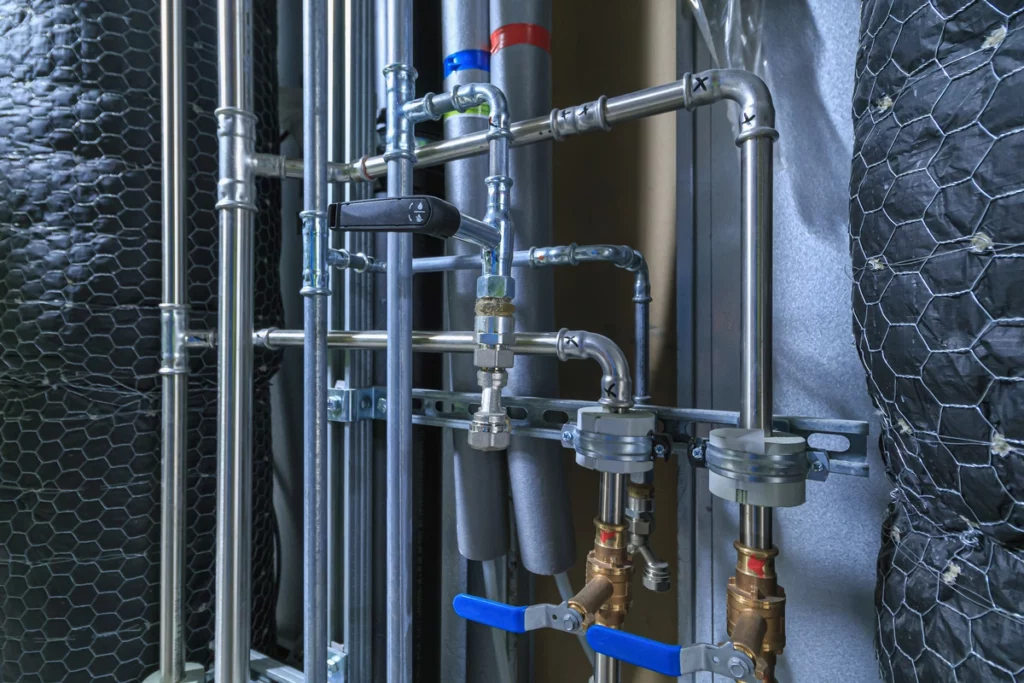
The Basics of Industrial Valve Automation
In essence, industrial valve automation involves using technology to operate valves within industrial systems without manual intervention. This innovation allows for precise control over fluid or gas flow, which is critical in maintaining the desired process conditions.
Key Components
The primary components of an automated valve system include actuators, control units, and positioners. These elements work in unison to ensure effective valve functioning.
Types of Valves Used
Unlike traditional valve systems, automated systems employ intelligent valves, which include ultra-modern variants such as ball valves, butterfly valves, and gate valves, all designed for precise automatic operations.
Technological Advancements Driving Growth
The continuous evolution of digital technology propels the advancement of industrial valve automation. Technologies like IoT and AI contribute significantly to smarter and more responsive valve operations, creating robust systems integral to modern industry operations.
Role of IoT
Integration of the Internet of Things (IoT) allows valves to communicate and coordinate in an interconnected environment, ensuring real-time monitoring and control.
Impact of AI
Artificial Intelligence enhances automated systems by predicting system failures and optimizing operations for better productivity. To learn more about the intersection of IoT and automation, visit Oswal Valves.
Benefits of Industrial Valve Automation
The advantages of automating valves extend far beyond basic efficiency. Here are several key benefits:
Increased Safety and Reliability
Automation inherently reduces the risk of human error, enhancing safety and reliability within industrial processes.
Cost Efficiency
By minimizing wastage and improving operational accuracy, industrial valve automation effectively cuts down costs.
Applications Across Industries
From oil and gas to pharmaceuticals, virtually every industry benefits from industrial valve automation. Automated valves streamline operations, ensuring better resource management and optimized output across various fields.
Oil and Gas Sector
In this sector, automated valve systems maintain precise control over extensive networks, ensuring safety and efficiency.
Water Treatment Industry
Automation in this sector enables the management of large-scale operations, ensuring purification processes run smoothly and efficiently. To delve deeper into how smart valves impact plumbing, click on Smart Valves in Plumbing.
Challenges in Implementing Automation
Despite the advantages, there are challenges in the adoption of industrial valve automation. Understanding these challenges helps in developing robust systems and strategies for effective implementation.
Economic Barriers
Initial investment costs can be a deterrent for smaller businesses, delaying adoption.
Technical Challenges
Integrating new systems with existing infrastructure poses a technical challenge that requires skilled expertise to overcome.
The Future of Industrial Valve Automation
The future is bright for automated valve technology. As industries lean toward digital transformation, automation will continue growing, unlocking unprecedented potential in efficiency and innovation.
Technological Innovations
Expect advancements in AI and IoT to push the boundaries of what’s possible, resulting in smarter, more intuitive automated systems.
Global Impact
Automation will play a pivotal role in shaping sustainable industrial practices worldwide.
For insights on valves’ role in various disaster prevention settings, visit Pipe Maintenance Disasters.
Conclusion
As we progress in the field of industrial valve automation, understanding its significance and assimilating its technology will be crucial in shaping the future of industries globally.

FAQs
What industries benefit most from valve automation?
Oil and gas, chemical manufacturing, and water treatment industries benefit significantly from automated valve systems.
What is the primary function of valve actuators?
Valve actuators control the movement of a valve, allowing for precise operation within systems.
How does automation affect operational costs?
Automation reduces operational costs by improving efficiency, minimizing errors, and optimizing resource use.
This article contains affiliate links. We may earn a commission at no extra cost to you.