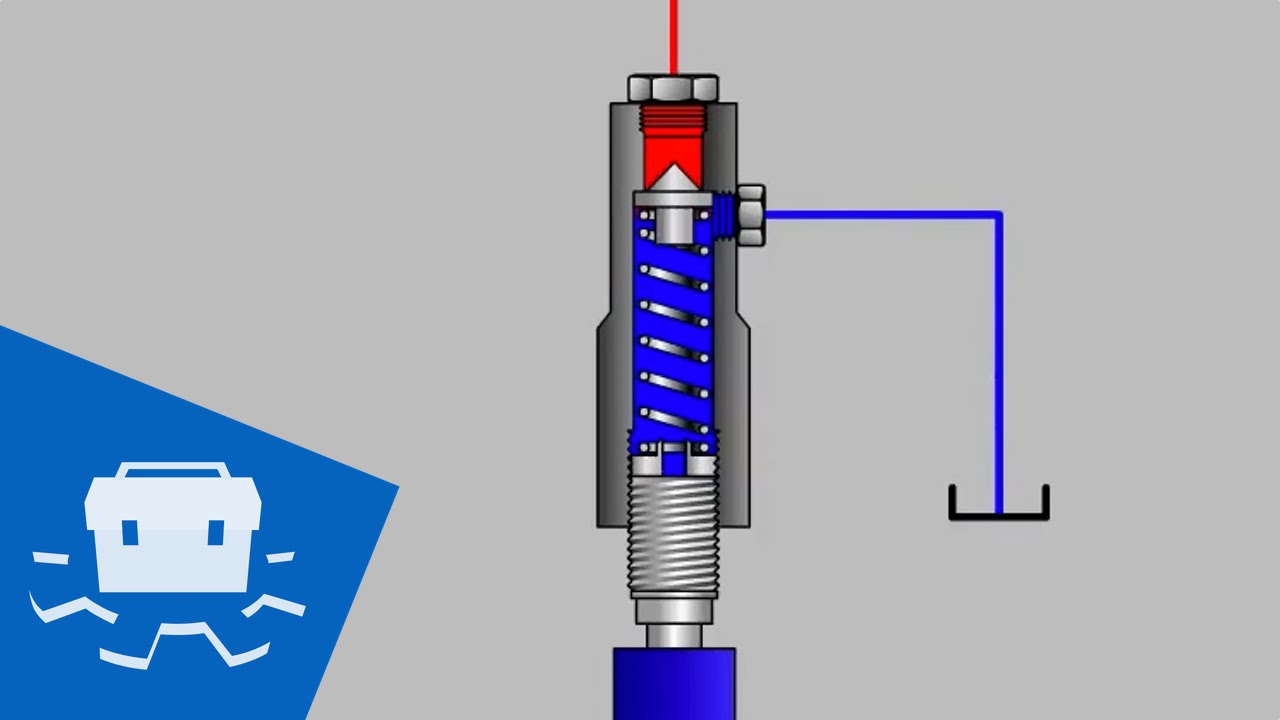

In the realm of industrial engineering, understanding the industrial PRV specifications is crucial for ensuring the safety and efficiency of pressure systems. A Pressure Relief Valve (PRV) plays a vital role in safeguarding systems from excessive pressure, which can be detrimental to both equipment and personnel. This article delves into the intricacies of industrial PRV specifications, providing a comprehensive overview for industrial engineers and other interested parties.
What are Industrial PRV Specifications?
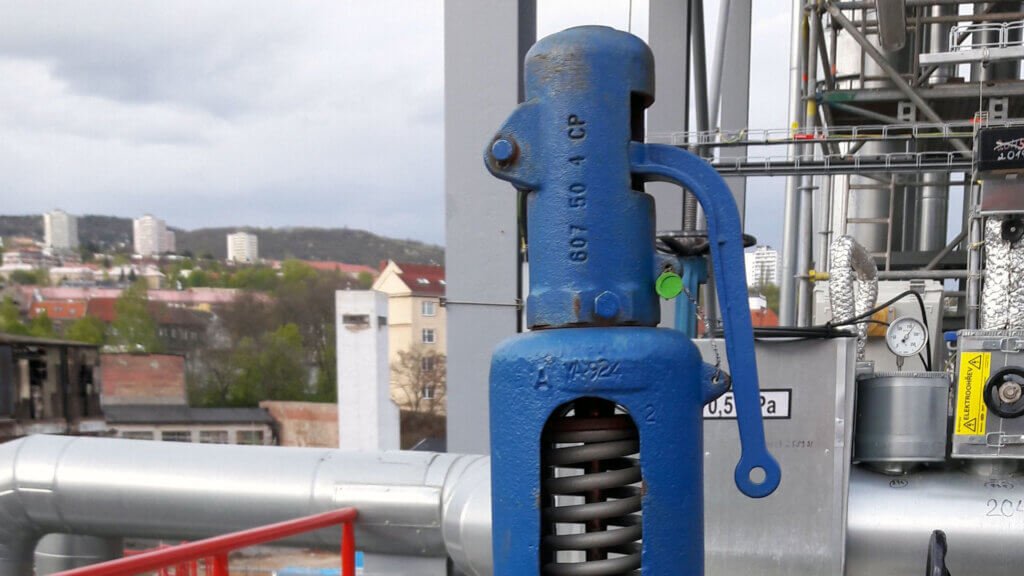
At its core, industrial PRV specifications refer to the detailed requirements and criteria that a Pressure Relief Valve must meet to function effectively in an industrial setting. These specifications ensure that the valve can handle specific pressure levels, operate under varying temperatures, and comply with industry standards. For more detailed understanding, you can check out this external source.
Importance of PRV Specifications
The importance of adhering to PRV specifications cannot be overstated. Properly specified valves prevent catastrophic failures and ensure that systems operate within safe pressure limits. This is particularly important in industries where pressure fluctuations are common, such as chemical processing and oil refining. Ensuring that your PRV meets the necessary specifications is a crucial step in maintaining system integrity and safety.
Components of PRV Specifications
PRV specifications encompass a variety of components, including:
- Set Pressure: The predetermined pressure at which the valve will open to relieve excess pressure.
- Back Pressure: The pressure that exists on the downstream side of the valve, which can affect valve performance.
- Orifice Size: Determines the flow capacity of the valve, impacting how quickly it can relieve pressure.
- Temperature Range: Indicates the temperatures within which the valve can operate effectively.
For a deeper dive into the impact of backpressure, visit system backpressure.
Types of Pressure Relief Valves
There are several types of Pressure Relief Valves, each with unique specifications and applications:
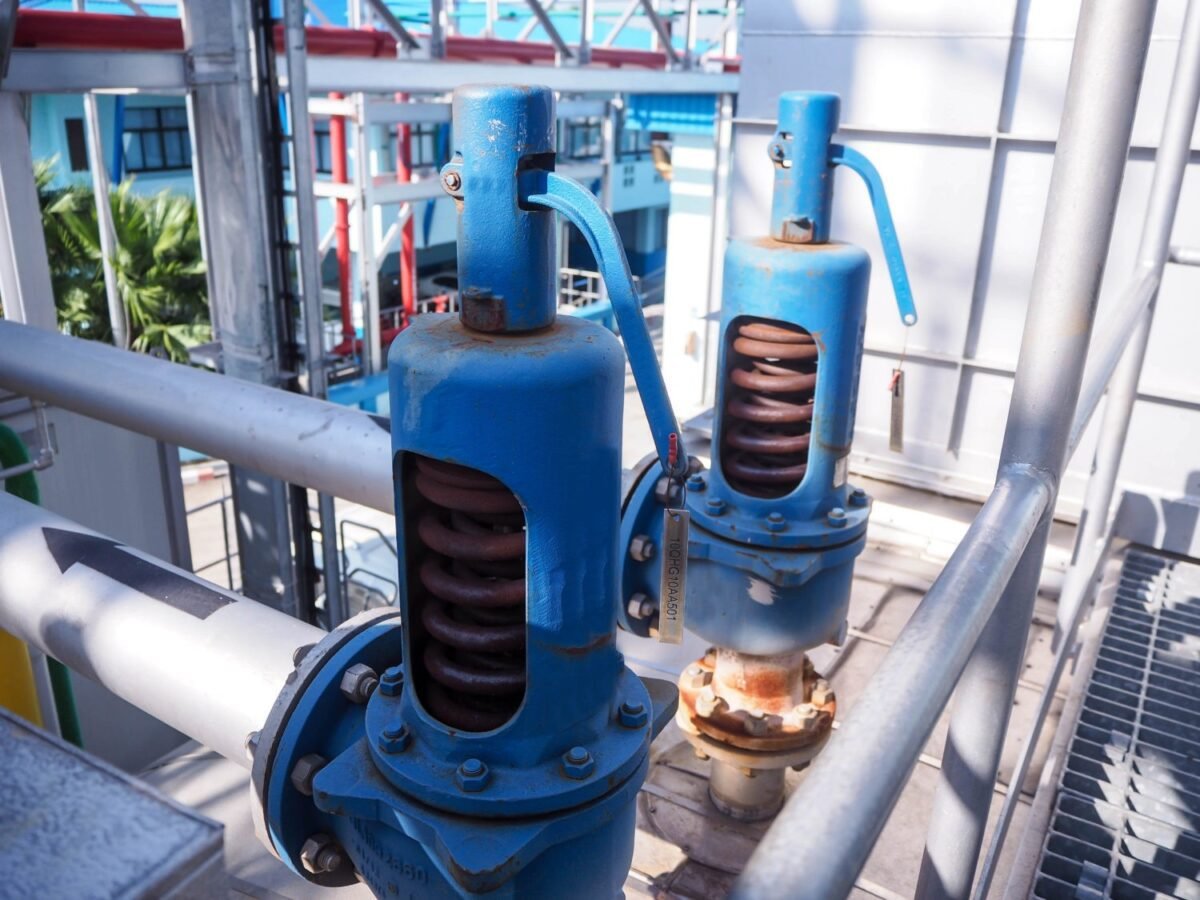
- Spring-Loaded PRVs: These are the most common type, utilizing a spring mechanism to hold the valve closed until the set pressure is reached.
- Pilot-Operated PRVs: These valves use external pressure sources to control the opening and closing, allowing for more precise pressure control.
- Power-Actuated PRVs: Often used in high-pressure applications, these valves require an external power source to operate.
Standards and Regulations
To ensure safety and compliance, industrial PRV specifications must adhere to various industry standards and regulations. Organizations such as the American Society of Mechanical Engineers (ASME) and the National Board of Boiler and Pressure Vessel Inspectors (NBBI) provide guidelines for PRV design and operation. It is essential for engineers to stay informed about these standards to ensure compliance and safety.
PRV Design Considerations
When designing or selecting a PRV, several considerations must be taken into account:
- Flow Capacity: Ensure the valve can handle the maximum expected flow during a pressure relief event.
- Material Compatibility: The valve material should be compatible with the media it will be exposed to, preventing corrosion and degradation.
- Installation Requirements: Proper installation is crucial for valve performance. Consider the orientation and accessibility of the valve in the system. For guidance, refer to proper PRV orientation.
Maintenance and Testing
Regular maintenance and testing of Pressure Relief Valves are essential to ensure their continued functionality and reliability. This involves regular inspections, testing for set pressure accuracy, and replacing components as needed. Engineers should establish a routine maintenance schedule to address potential issues before they lead to system failures.
Common Challenges and Solutions
Despite their critical role, Pressure Relief Valves can face several challenges, including:
- Valve Leakage: Can occur due to wear and tear or improper seating. Regular maintenance and correct installation can mitigate this issue.
- Rapid Pressure Fluctuations: Can affect valve performance. Understanding the system dynamics and designing accordingly is crucial. More on this can be found at PRV operation.
Future Trends in PRV Technology
As technology advances, new trends in PRV technology are emerging, including:
- Smart Valves: Equipped with sensors and digital interfaces to monitor performance and predict maintenance needs.
- Advanced Materials: Use of materials that can withstand higher pressures and temperatures, improving valve longevity and performance.
Conclusion
Understanding industrial PRV specifications is essential for engineers tasked with designing and maintaining pressure systems. By adhering to these specifications, engineers can ensure the safety and efficiency of their systems, preventing costly failures and ensuring compliance with industry standards.
FAQ
What is the primary function of a Pressure Relief Valve?
The primary function of a PRV is to prevent excessive pressure build-up in a system, ensuring safety and preventing equipment damage.
How often should PRVs be tested?
PRVs should be tested regularly, typically once a year, to ensure they are functioning correctly and meet the specified set pressures.
Are there different PRVs for different industries?
Yes, PRVs are designed with specific specifications to suit various industries, such as oil and gas, chemical processing, and power generation, among others.
This article contains affiliate links. We may earn a commission at no extra cost to you.