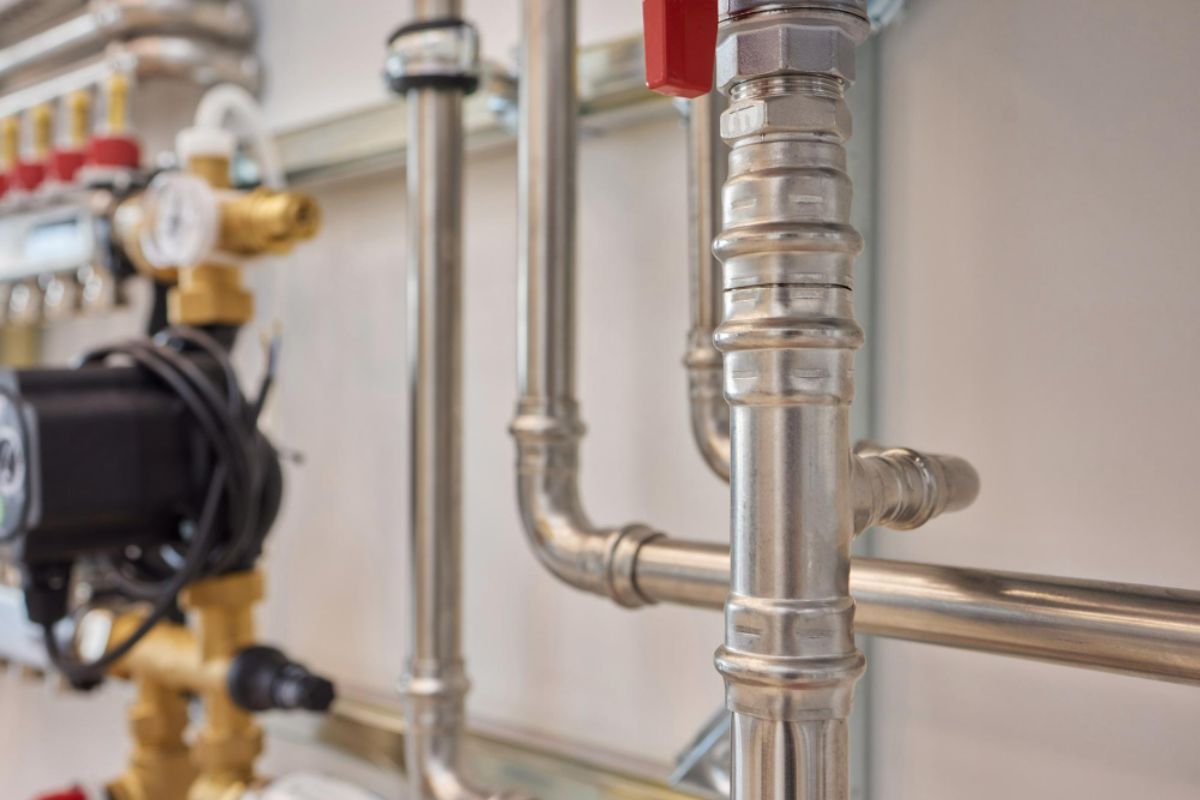

The world of industrial flow control systems is critical to various industries, ensuring that materials are smoothly and effectively managed through pipelines and other infrastructures. These systems are fundamental in maintaining efficiency and safety in processes that handle gas, liquid, or slurry. In recent years, advancements in technology have significantly transformed how these systems operate, paralleling innovations seen in other industrial technologies.
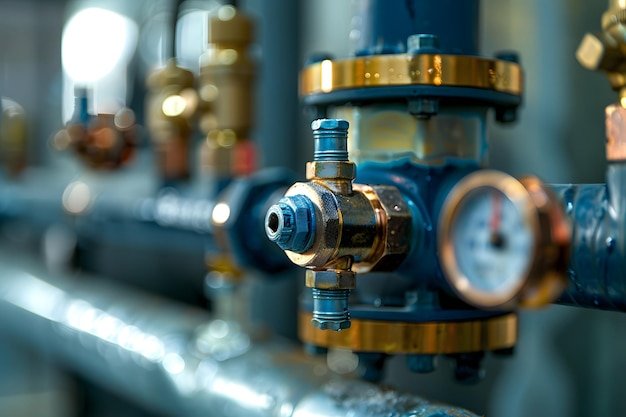
Understanding Industrial Flow Control Systems
At the heart of any industrial operation, the control of fluid and gas flow is vital. Industrial flow control systems facilitate this by regulating, directing, and managing flow rates to meet specific operational needs. With a growing demand for precision and efficiency, these systems are more important than ever.
Components of Flow Control Systems
Industrial flow control systems often consist of various components such as valves, actuators, sensors, and controllers. Each plays a crucial role in maintaining the desired flow characteristics, be it pressure, velocity, or direction.
The Role of Valves
Valves are crucial in the regulation of flow. Innovations in smart valves have been highlighted in discussions on platforms like fluid control innovations, showcasing how automation is enhancing flow control precision.
Integration with IoT
The integration of the Internet of Things (IoT) with flow control systems is revolutionizing the way industries operate. Smart sensors and connected systems allow for real-time monitoring and adjustments, ensuring optimal performance and predictive maintenance.
Technological Advancements in Flow Control
Automation and Control Systems
Recent technological advancements have introduced sophisticated automation systems to industrial flow control. Automation allows for unprecedented control and efficiency. Companies such as valve revolutions have been pivotal in these advancements.
Benefits of Automation
The primary benefits of automation in flow control systems include reduced operational costs, improved safety, and increased accuracy in flow regulation.
Smart Valves and Sensors
The development of smart valves and sensors has been marked by increased precision and efficiency. Smart technologies allow for enhanced data collection and operational insights, such as those discussed in the digital transformation of valves.
Predictive Maintenance
Predictive maintenance technology utilizes data from IoT devices to predict and address maintenance needs before they become critical, significantly reducing downtime and maintenance costs.
Impact of Flow Control Systems on Industries
Applications in Manufacturing
In manufacturing, flow control systems aid in the precise management of materials, ensuring production quality and safety standards are met.
Effectiveness in Chemical Processing
The chemical industry relies on these systems to handle complex processes where precise flow management is crucial for safety and efficiency.
Oil and Gas Industry Utilization
In the oil and gas sector, effective flow control ensures optimal extraction and processing, with minimal environmental impact.
Future Trends in Industrial Flow Control Systems
Digital Integration and AI
Looking forward, the integration of AI in flow control is expected to further sophistication, allowing systems to learn and adapt to optimize operations continually.
Enhanced Sensor Technologies
Advancements in sensor technology will continue to improve the accuracy of data collected, leading to better decision-making and enhanced system feedback.
Sustainability and Energy Efficiency
The ongoing trend towards sustainability means that future flow control systems will aim to be more energy-efficient, reducing the environmental footprint of industrial operations.
Conclusion
Industrial flow control systems are an integral part of modern industrial processes. With technological advancements, these systems are becoming smarter, more efficient, and more reliable, playing a pivotal role in the success and growth of various industries.
FAQ
What components are crucial for industrial flow systems?
Key components include valves, sensors, actuators, and controllers, each integral to maintaining effective flow management.
How does automation benefit flow control?
Automation enhances accuracy, reduces costs, and improves safety by allowing precise control over flow rates.
What is the role of IoT in flow systems?
The IoT enables real-time monitoring and control, enhancing data collection for better system management.
This article contains affiliate links. We may earn a commission at no extra cost to you.