The introduction of the indoor smart valve has revolutionized the way water management systems function. With increased attention towards automation and smart technologies, this crucial component is gaining popularity among homeowners and industry professionals alike. Understanding the functionalities and benefits of an indoor smart valve can enhance both residential and industrial water systems, delivering improved efficiency and cost savings.
For industrial engineers, the integration of an indoor smart valve means optimizing resource management and reducing the likelihood of leaks, consequently minimizing water wastage. Management systems now have access to real-time data, allowing them to make informed decisions regarding water distribution and usage patterns. Delving into the world of indoor smart valves will reveal the technological advancements propelling us toward innovative water solutions.
Understanding How Smart Valves Work
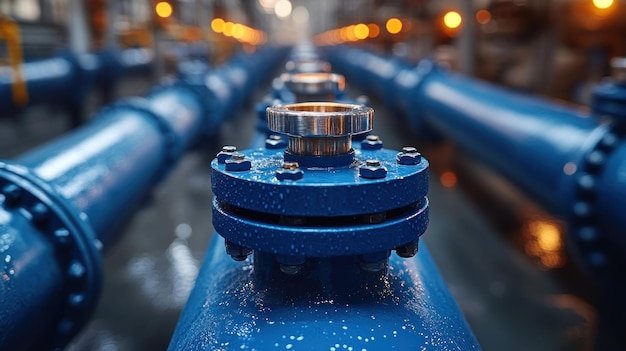
An indoor smart valve is an ingenious device that automates the control of water flow within pipelines. It leverages advanced sensors and connectivity features to monitor water consumption and detect anomalies that could signify leaks or blockages. By integrating with home automation systems, it ensures seamless communication with other smart devices, enhancing overall home automation.
Benefits of Integrating a Smart Valve in Homes
The installation of smart valves in residential settings offers multiple benefits. Primarily, it ensures precise control over water flow, which can lead to substantial savings on utility bills. The capability to detect leaks early enables homeowners to address potential problems before they escalate into major plumbing disasters. Additionally, smart valves contribute to improving environmental sustainability through efficient water usage.
Applications in Industrial Engineering
For industrial engineers, smart valves offer a plethora of applications. In manufacturing and production environments, controlling the variables of water flow is paramount. Installing an indoor smart valve in such settings helps maintain the desired flow rate, pressure levels, and temperature, crucial for optimal operations. Engineers can analyze data from the valve, gaining insights that can streamline processes and boost productivity.
Enhancing Safety and Reliability
Safety is a significant concern in any industrial environment. By implementing smart valves, the risk of unexpected failures and hazardous incidents is minimized. These valves automatically shut off water during emergencies, alleviating potential risks, and providing peace of mind. Their reliability and rapid response capabilities make them indispensable in high-stakes conditions.
Technological Advancements Propelling Smart Valves
The rapid evolution of technology is a driving force behind the comprehensive capabilities of smart valves. Improvements in sensor technology, wireless communication, and data processing capabilities have greatly enhanced valve functionalities. With the integration of IoT (Internet of Things), users now have access to extensive diagnostic information remotely.
Sustainable Water Management Practices
Sustainability is at the heart of utilizing smart valves in both residential and industrial contexts. These valves support smarter water usage, ultimately conserving natural resources. By accurately monitoring and controlling every aspect of water usage, companies and homeowners alike can participate in broader water conservation efforts.
Selection Criteria for Smart Valves
Choosing the right indoor smart valve is crucial for optimal functionality. When selecting a valve, consider connective capabilities, response times, durability in different environments, and compatibility with existing systems. Each aspect will influence the valve’s performance, so it is essential to evaluate products thoroughly before making a purchase.
Integration with Home Automation Systems
The cohesiveness of smart valves with broader home automation systems cannot be underestimated. Integration enables homeowners to enjoy the full benefits of interconnected devices. Automation, in turn, simplifies everyday tasks, creating a more comfortable and convenient living environment.
Installation and Maintenance Considerations
Installing an indoor smart valve can typically be handled by professionals to ensure precision. Routine maintenance also plays an essential role in maintaining its functionality over time. Regular checks of the valve and associated components will help identify potential issues early and uphold performance standards.
Potential Challenges and Solutions
While indoor smart valves offer an array of benefits, users might encounter challenges such as connectivity issues or technical malfunctions. Ensuring that firmware and software are routinely updated helps address most compatibility issues. Additionally, manufacturers often offer support to address technical challenges that arise.
Cost-Benefit Analysis
Investing in smart valves demands a thorough cost-benefit analysis. While the upfront costs can be higher than traditional valves, the long-term savings on water bills, coupled with environmental benefits, often justify the initial expenditure. Moreover, the reduction in risk-related costs due to lessened potential for leaks or defective plumbing underlines the inherent value of these valves.
The Future of Smart Valves
Looking forward, the future of indoor smart valves is promising. As technology continues to evolve, the integration of AI and machine learning could further revolutionize their functionalities, opening up new possibilities for automation and data-driven management in both residential and industrial settings.
Conclusion
Incorporating indoor smart valves into water management systems marks a leap toward more intelligent and sustainable practices. Both Industrial engineers and homeowners can significantly benefit from their versatility, precision, and efficiency. Whether it’s enhancing the safety of industrial operations or ensuring residential water conservation, these advanced valves play a vital role.
FAQ Section
What makes an indoor smart valve different from a traditional valve?
Unlike traditional valves that require manual operation, indoor smart valves feature automation, remote control, and real-time monitoring capabilities, making them far more efficient and user-friendly.
Are smart valves compatible with all types of home automation systems?
While most smart valves offer broad compatibility, it is essential to verify specifications to ensure they align seamlessly with your existing home automation system.
What maintenance is required for smart valves?
Regular maintenance, including occasional software updates and physical inspections, help ensure continued optimal operation of your indoor smart valve. Such practices minimize potential disruptions and enhance longevity.
Explore reliable Smart Valve Brands to learn more about available options. For more in-depth information about how smart valves are used, visit Smart Home Perfected.
This article contains affiliate links. We may earn a commission at no extra cost to you.