Clogged shower drains can be a nuisance, disrupting your daily routine and causing unwanted stress. If you’re seeking a natural and effective solution, you might be wondering how to use vinegar to unclog shower drain quickly and efficiently. Vinegar, a common household item, can be a powerful ally in tackling this issue.
In this guide, we’ll delve into the simple yet potent method of using vinegar to clear your shower drain. This environmentally-friendly approach not only saves you money but also minimizes the use of harsh chemicals that can damage your plumbing.
The Science Behind Vinegar and Baking Soda
Before diving into the process, it’s important to understand why vinegar and baking soda are effective. Vinegar is a mild acid, while baking soda is a base. When combined, they create a chemical reaction that produces carbon dioxide and water. This fizzing reaction helps break down the debris and grime clogging your drain.
Benefits of Using Vinegar
Using vinegar to unclog your shower drain offers several advantages:
- Eco-friendly: Vinegar is biodegradable and safe for the environment.
- Cost-effective: Most households already have vinegar, making it a budget-friendly option.
- Non-toxic: Unlike chemical drain cleaners, vinegar is safe for your health and plumbing.
Step-by-Step Guide to Unclog Your Shower Drain
Gather Your Supplies
To begin, you’ll need the following items:
- 1 cup of baking soda
- 1 cup of vinegar
- Boiling water
- A drain cover or plug
Prepare the Drain
Remove any visible debris from the shower drain. This will help the vinegar and baking soda mixture reach the clog more effectively.
Pour the Baking Soda
Carefully pour the baking soda down the drain. Ensure it reaches deep into the pipe for maximum effectiveness.
Add the Vinegar
Next, pour the vinegar into the drain. You’ll notice a fizzing reaction as the two substances interact. Quickly cover the drain with a plug or cloth to keep the reaction contained within the pipe.
Wait and Rinse
Allow the mixture to sit for at least 30 minutes. During this time, it will work to break down the clog. Afterward, flush the drain with boiling water to clear away any remaining residue.
Preventing Future Clogs
Regular Maintenance
To prevent future clogs, incorporate regular maintenance into your routine. Pouring boiling water down the drain weekly can help dissolve soap scum and prevent buildup.
Install a Drain Cover
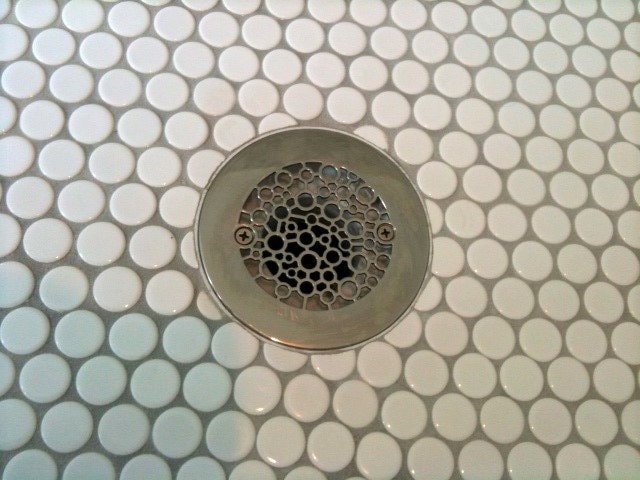
Consider installing a drain cover to catch hair and debris before they enter the pipe. This simple tool can significantly reduce the frequency of clogs.
Be Mindful of What Goes Down the Drain
Avoid washing large quantities of hair or soap down the drain. These materials can accumulate and form clogs over time.
Additional Tips and Tricks
Use a Plunger
If vinegar and baking soda alone don’t clear the clog, try using a plunger. This tool can help dislodge stubborn blockages.
Apply Baking Soda and Vinegar Regularly
Incorporate the vinegar and baking soda method into your monthly cleaning routine to keep your drains clear and functional.
Seek Professional Help
If your efforts don’t resolve the issue, consider consulting a professional plumber. They can assess the situation and provide expert solutions.
Resources for Further Learning
For more tips on maintaining your plumbing, visit this guide on clogged shower drains. Additionally, learn about the importance of proper PRV orientation and its impact on plumbing systems.
Frequently Asked Questions
Can vinegar damage my pipes?
No, vinegar is safe for most pipes and is a gentle alternative to chemical cleaners.
How often should I use vinegar to clean my drain?
Using vinegar and baking soda monthly can help maintain clear and functional drains.
What if the vinegar and baking soda method doesn’t work?
If the clog persists, consider using a plunger or seeking professional plumbing assistance.
This article contains affiliate links. We may earn a commission at no extra cost to you.