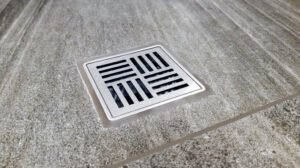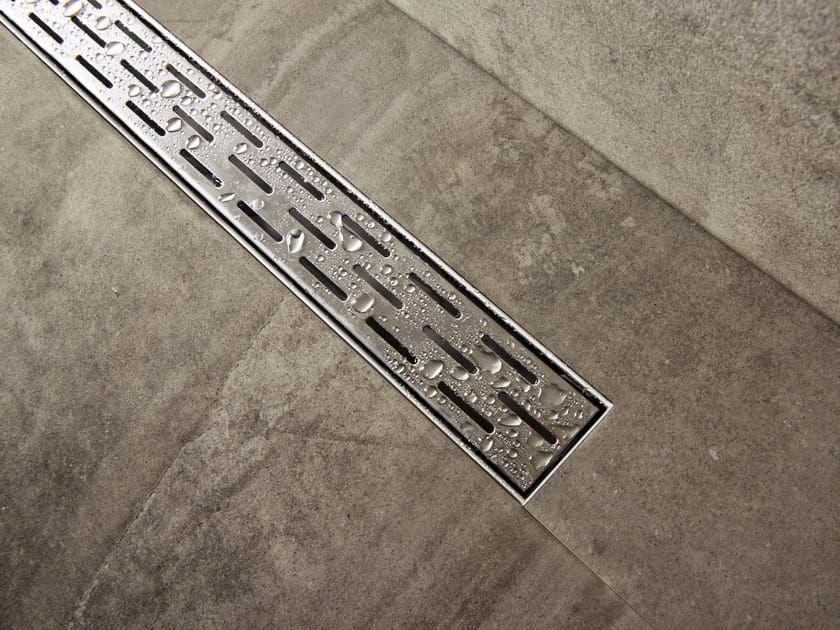

Are you struggling with a slow or completely clogged shower drain? You’re not alone! Many people face this problem, but the good news is there’s an easy solution. Using common household items like baking soda and vinegar, you can quickly unclog your shower drain without any harsh chemicals. This guide will show you how to unclog shower drain with baking soda and vinegar efficiently.
Why Use Baking Soda and Vinegar?
Before diving into the process, it’s important to understand why baking soda and vinegar are effective. They create a natural chemical reaction that helps break down the gunk and grime stuck in your drain. Unlike commercial drain cleaners, this method is eco-friendly and safe for your pipes.
The Science Behind the Reaction
When baking soda (a base) and vinegar (an acid) are combined, they produce carbon dioxide gas through an effervescent reaction. This bubbling action helps to dislodge debris and push it through the pipe.
Step-by-Step Guide to Unclogging
Gather Your Supplies
Before starting, make sure you have the following items on hand:
- 1 cup of baking soda
- 1 cup of vinegar
- Boiling water
- A funnel (optional)
- A plunger (if needed)
Initial Steps
First, remove any visible hair or debris from the shower drain. This will make the process more effective. You can do this with your hands or a pair of tweezers.
Pour Baking Soda
Slowly pour the baking soda into the drain. Use a funnel if necessary to avoid spills. The baking soda will start working on dissolving any organic matter.
Add Vinegar
Follow the baking soda with the vinegar. Be ready for some fizzing and bubbling. This is the reaction working its magic!
Let It Sit
Allow the mixture to sit for at least 15 minutes. For tougher clogs, you might need to wait up to 30 minutes. During this time, the chemical reaction will break down the blockage.
Flush with Boiling Water
After the waiting period, pour boiling water down the drain to flush away the loosened debris. Be cautious and pour the water slowly to avoid splashes.
When to Use a Plunger
If the drain is still clogged after following these steps, you might need to use a plunger. Place the plunger over the drain and pump it several times. This can help dislodge any remaining blockage.
Preventing Future Clogs
Now that your drain is clear, it’s important to keep it that way. Regular maintenance can prevent future clogs. Consider these tips:
- Use a drain cover to catch hair and debris.
- Run hot water for a few minutes after each shower.
- Repeat the baking soda and vinegar treatment monthly.
For more tips on maintaining your shower drain, check out this link.
Common Mistakes to Avoid
While the baking soda and vinegar method is straightforward, there are a few pitfalls to avoid:
- Don’t use too much vinegar or baking soda at once.
- Avoid using boiling water on PVC pipes, as it can soften and damage them.
- Don’t forget to remove hair and debris manually when possible.
Alternative Methods
If the natural method doesn’t work, you can try other solutions like a plumber’s snake or chemical drain cleaners. However, these should be used as a last resort due to their potential to damage pipes and the environment.
Visit this page for more DIY tips.
Understanding Drain Anatomy
Knowing the basic structure of your shower drain can also help in addressing clogs more effectively. Most drains consist of a trap, a pipe, and a strainer. Blockages often occur in the trap.
Signs of a Clogged Drain
Recognizing the early signs of a clog can save you time and hassle. Look out for:
- Slow draining water
- Unpleasant odors
- Strange gurgling noises
If your drain has an unpleasant odor, you might be interested in reading this article.
Environmental Benefits
By choosing the baking soda and vinegar method, you’re making an environmentally friendly choice. Traditional drain cleaners contain harmful chemicals that can pollute water systems.
For more on eco-friendly cleaning, check out this link.
Conclusion
Unclogging your shower drain doesn’t have to be a daunting task. With a bit of baking soda and vinegar, you can tackle the problem yourself and enjoy a free-flowing drain once more.
FAQs
1. How often should I use baking soda and vinegar on my drain?
Using the treatment once a month can help prevent clogs and maintain a healthy drain.
2. Can I use this method for other types of drains?
Yes, this method is effective for kitchen sinks and bathroom sinks as well.
3. Is it safe to use boiling water on all types of pipes?
Boiling water is safe for metal pipes but can damage PVC pipes if used frequently. Use hot tap water as an alternative for PVC.
This article contains affiliate links. We may earn a commission at no extra cost to you.