
In the world of industrial engineering, understanding how to specify a pressure relief valve is crucial. A pressure relief valve (PRV) is a vital component in various systems, ensuring safety and efficiency by preventing excess pressure build-up. Whether you’re working in oil and gas, chemical processing, or any other sector, knowing the specifics of selecting the right PRV can save time, money, and lives.
Introduction to Pressure Relief Valves
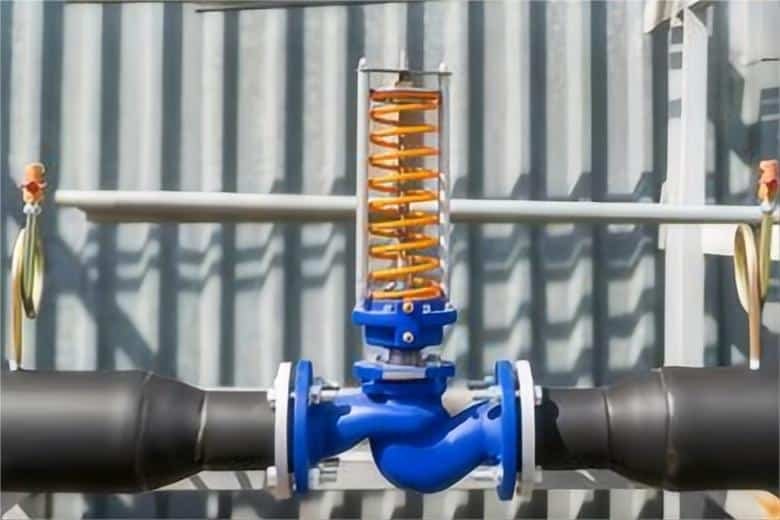
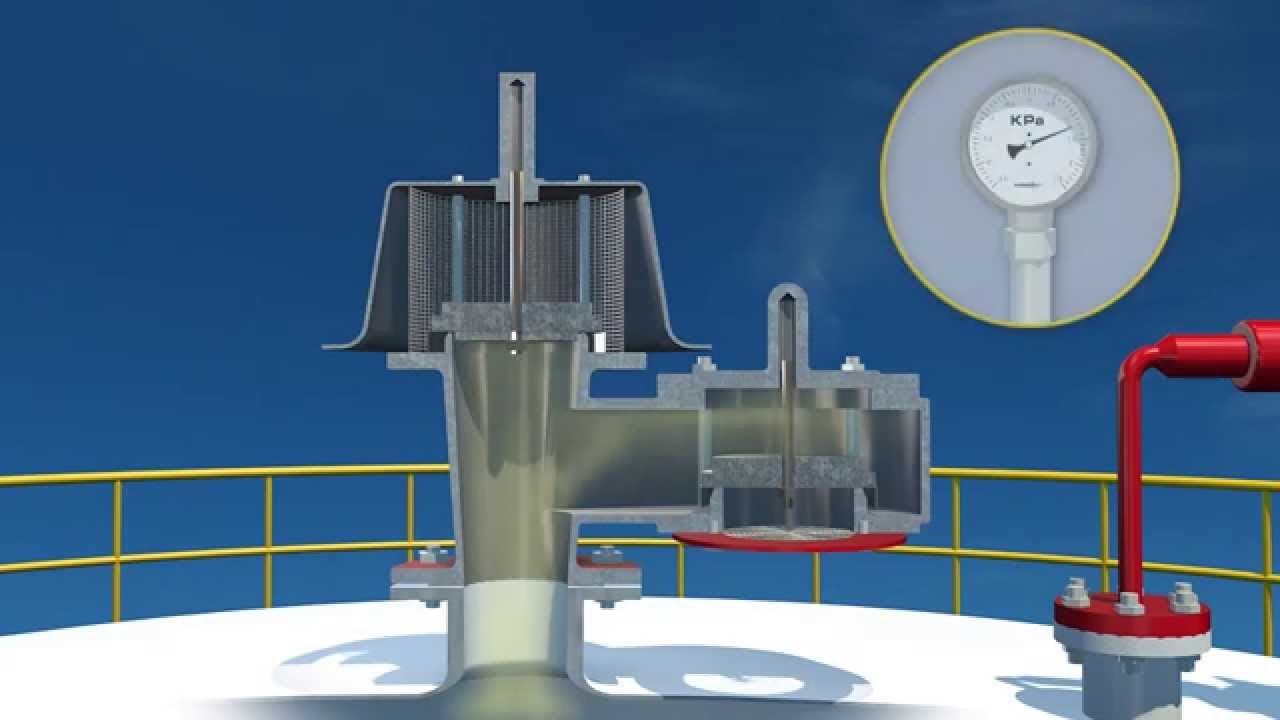
Pressure relief valves are designed to control or limit the pressure in a system by allowing the pressurized fluid to flow from an auxiliary passage out of the system. This is done when the pressure or force on the system exceeds the pre-set level of the valve.
Why Are They Important?
These valves are essential for maintaining the safety and operational integrity of the system. Without them, systems could potentially explode or malfunction due to excess pressure.
Understanding the Basics
What is a Pressure Relief Valve?
A pressure relief valve is a type of safety valve used to control or limit the pressure in a system. The pressure is relieved by allowing the pressurized fluid to flow from an auxiliary passage out of the system.
Types of Pressure Relief Valves
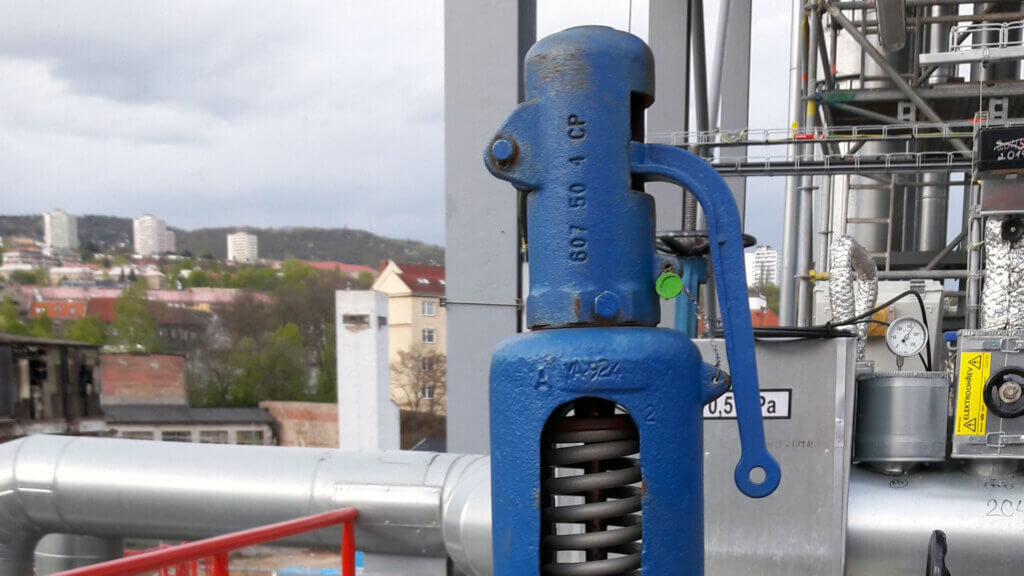
- Spring-loaded PRVs: These are commonly used due to their simplicity and reliability.
- Pilot-operated PRVs: These are used in applications requiring precise control of set pressures.
- Balanced bellows PRVs: These are used in systems with variable back pressures.
Factors to Consider When Specifying a PRV
Set Pressure
The set pressure of a PRV is the pressure at which the valve opens. It is crucial to specify a valve with the correct set pressure to ensure system safety.
Operating Temperature
The temperature of the system can affect the performance of the valve. Ensure that the valve material and design are suitable for the operating temperature.
Back Pressure
Consideration of back pressure is essential for the correct specification of a PRV. Back pressure can cause the valve to open at a higher pressure than the set pressure.
Flow Rate
The flow rate through the valve is a critical factor in determining the correct size of the valve needed.
Steps to Specify a Pressure Relief Valve
Identify System Requirements
Understand the system’s requirements, including maximum allowable working pressure, operating temperature, and flow rate.
Calculate Required Capacity
Calculate the required capacity of the valve using the system’s parameters. This ensures that the valve can handle the required flow rate.
Select the Appropriate Valve Type
Choose the type of PRV based on the system’s requirements and the factors discussed above.
Verify Material Compatibility
Ensure that the valve construction materials are compatible with the system’s fluid and temperature.
Consider Installation and Maintenance
Plan for easy access to the valve for installation and maintenance purposes. For more insights, visit PRV Accessibility.
Common Mistakes to Avoid
Ignoring Back Pressure
Failure to consider back pressure can lead to incorrect valve specification.
Incorrect Set Pressure
Setting the valve at an incorrect pressure can compromise system safety.
Overlooking Maintenance Needs
Neglecting regular maintenance can lead to valve failure. Learn more about proper maintenance in Safety Valve Maintenance.
FAQs
What is the purpose of a pressure relief valve?
A pressure relief valve is designed to protect a system from overpressure by allowing excess pressure to be released.
How do I determine the set pressure for my valve?
The set pressure should be determined based on the system’s maximum allowable working pressure.
What materials are best for high-temperature applications?
For high-temperature applications, materials like stainless steel are recommended due to their heat-resistant properties.
Conclusion
Understanding how to specify a pressure relief valve is essential for the safety and efficiency of any industrial system. By considering factors such as set pressure, material compatibility, and maintenance needs, you can ensure that your system operates smoothly and safely. For more information on PRV orientation, visit Proper PRV Orientation.
This article contains affiliate links. We may earn a commission at no extra cost to you.