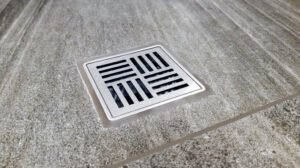
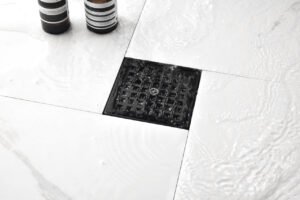
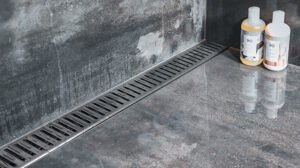
When recovering from an illness, ensuring that your home environment is clean and hygienic is crucial. One area that often gets overlooked is the shower drain. Understanding how to sanitize shower drain after illness is essential to prevent the spread of germs and maintain a healthy living space. In this article, we’ll delve into effective methods to clean and disinfect your shower drain, keeping your bathroom fresh and safe.
Why is Sanitizing the Shower Drain Important After Illness?
Illnesses can leave behind bacteria and viruses that may linger in your bathroom, especially around the shower drain. These pathogens can potentially cause reinfection or spread to other household members. By sanitizing the shower drain, you reduce the risk of cross-contamination and ensure a healthier environment.
Potential Risks of an Unsanitized Shower Drain
An unsanitized shower drain can become a breeding ground for harmful bacteria and mold. This not only affects the air quality in your bathroom but may also cause unpleasant odors. To learn more about tackling shower drain odors, check out this article on shower drain odor.
Essential Tools and Materials for Sanitizing
Before you begin the sanitation process, gather the necessary tools and materials. You will need:
- Gloves
- Protective eyewear
- Bleach or a disinfectant cleaner
- Cleaning brush
- Bucket
- Hot water
- Old toothbrush
Step-by-Step Guide to Sanitize Your Shower Drain
Step 1: Prepare the Area
Start by clearing the shower area of any personal items. Put on gloves and protective eyewear to safeguard yourself from splashes and fumes.
Step 2: Remove Debris
Remove any visible debris from the drain. Use an old toothbrush or a cleaning brush to scrub away any grime or soap scum.
Step 3: Disinfect the Drain
Mix a solution of bleach and hot water in a bucket. Carefully pour the mixture down the drain, allowing it to sit for 10-15 minutes to kill bacteria and viruses.
If bleach is not preferred, consider using a natural disinfectant. Learn more about avoiding chemical cleaners.
Step 4: Flush with Hot Water
After the disinfectant has set, flush the drain with hot water to remove any remaining residue. This helps in clearing out any disinfectant left behind.
Step 5: Clean Surrounding Areas
Wipe down the surrounding areas of the shower with a disinfectant cleaner to ensure that no germs are left behind.
Maintaining a Clean and Hygienic Shower Drain
Regular Cleaning Schedule
To prevent future build-up and maintain hygiene, establish a regular cleaning schedule. Aim to clean your shower drain once a week.
Preventive Measures
Use a drain cover to catch hair and debris before they enter the drain. This simple step can prevent clogs and reduce the frequency of deep cleanings.
For more tips on preventing drain issues, visit this guide.
Common Mistakes to Avoid
One common mistake is using harsh chemicals that can damage your pipes. Instead, opt for safe and effective cleaning methods. Also, avoid neglecting the drain for extended periods, as build-up can lead to more severe issues.
What to Do If the Drain is Clogged?
If you encounter a clogged drain, avoid using chemical drain cleaners. Instead, try using a plunger or a plumber’s snake to remove the blockage manually. For more detailed steps, check this article on checking for leaks.
FAQs
How often should I sanitize my shower drain?
It is recommended to sanitize your shower drain at least once a month, or more frequently if someone in the household is ill.
Can I use vinegar and baking soda to clean the drain?
Yes, vinegar and baking soda are effective natural cleaning agents that can help remove odors and minor blockages.
What should I do if the drain still smells after cleaning?
If the smell persists, it may indicate a deeper issue. Consider consulting a professional plumber to inspect the drain.
This article contains affiliate links. We may earn a commission at no extra cost to you.