
When it comes to maintaining your home, knowing how to reseal shower drain is a valuable skill. Not only does it help prevent leaks, but it also ensures your bathroom remains hygienic and free from water damage. This guide will walk you through the necessary steps to reseal your shower drain effectively.
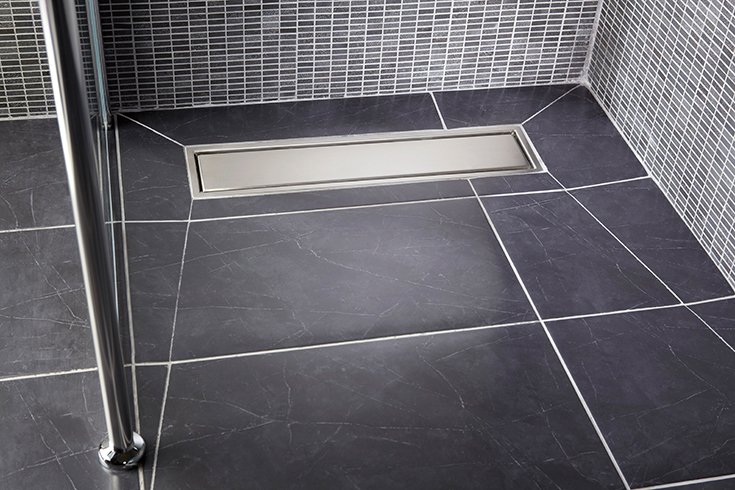
Understanding the Importance of Resealing Shower Drains
Before diving into the process, its essential to understand why resealing your shower drain is crucial. Over time, the sealant around your drain can deteriorate due to constant exposure to water and cleaning agents. This can lead to leaks that might cause structural damage or mold growth. By learning how to reseal shower drain, you can prevent such issues and extend the lifespan of your bathroom fixtures.
Gathering Necessary Tools and Materials
Before you start, make sure you have all the needed tools and materials. You will need:
- Plumbers putty or silicone sealant
- A wrench
- Cleaning cloths
- A screwdriver
- A putty knife
Choosing Between Plumbers Putty and Silicone Sealant
When deciding between plumbers putty and silicone sealant, consider the type of shower drain you have. Plumbers putty is ideal for metal drains, while silicone sealant works well with plastic or acrylic fixtures.
Step-by-Step Guide to Resealing Your Shower Drain
Step 1: Remove the Drain Cover
Use a screwdriver to carefully remove the screws holding the drain cover in place. Set the cover aside once its removed.
Step 2: Clean the Drain Area
Use a cleaning cloth to remove any old sealant, dirt, or debris from around the drain. Ensure the area is dry before proceeding.
Step 3: Apply New Sealant
If you are using plumbers putty, roll it into a thin rope and place it around the edge of the drain. Press it firmly to create a watertight seal. If using silicone sealant, apply a bead around the drain and smooth it out with a putty knife.
Step 4: Reattach the Drain Cover
Once the sealant is in place, reattach the drain cover using the screws. Tighten them with a wrench to ensure they are secure.
Step 5: Allow the Sealant to Set
Give the sealant time to cure. This usually takes between 24 to 48 hours, depending on the product used. Avoid using the shower during this period to ensure a proper seal.
Maintaining Your Shower Drain Seal
Regular maintenance can prolong the life of your shower drain seal. Clean the drain area regularly and check for signs of wear or leaks. If you notice any issues, it may be time to reseal the drain again.
Preventing Future Leaks
To prevent future leaks, address any clogs immediately. Clogs can put pressure on the drain seal and lead to leaks. For tips on how to deal with shower drain clogs, check out our detailed guide.
Regular Inspection
Make it a habit to inspect the seal around your shower drain every few months. Early detection of wear can save you from more significant repairs down the line.
FAQs on Resealing Shower Drains
How often should I reseal my shower drain?
Its generally recommended to check the seal every six months and reseal as needed, especially if you notice leaks or wear.
Can I use silicone sealant for metal drains?
Yes, silicone sealant can be used for metal drains, but plumbers putty is often better suited for metal due to its pliability and ease of removal.
What should I do if my drain still leaks after resealing?
If your drain continues to leak, it might be a sign of a deeper plumbing issue. Consider consulting a professional for further diagnosis.
Resealing your shower drain is a straightforward process that can save you from costly repairs. By following these steps, you can ensure a watertight seal and maintain the integrity of your bathroom. For more tips on maintaining a clean and efficient bathroom, visit this guide from a reputable plumbing source.
This article contains affiliate links. We may earn a commission at no extra cost to you.