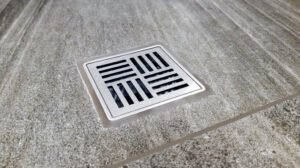
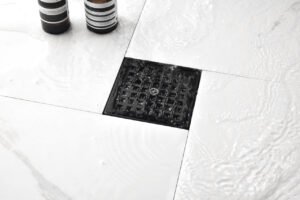
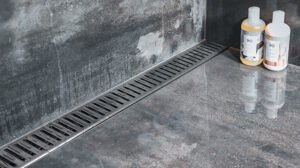
Removing silicone around a shower drain can seem like a daunting task, especially if you’re not sure where to start. However, with the right tools and a little patience, you can easily tackle this home improvement project. Whether you’re dealing with old, cracked silicone or preparing to install a new shower drain, learning how to remove silicone around shower drain is a valuable skill.
Why Remove Silicone Around Your Shower Drain?
Before diving into the removal process, it’s important to understand why you might need to remove silicone from your shower drain in the first place. Over time, silicone can become dirty, moldy, or simply lose its seal, leading to potential leaks. By removing and replacing old silicone, you can ensure your shower remains in good working order and avoid costly water damage.
The Tools You’ll Need
Before you begin, you’ll need to gather a few essential tools. These include:
- Utility knife or a silicone remover tool
- Rubbing alcohol or a specialized silicone remover solution
- Scraper or a plastic putty knife
- Gloves to protect your hands
- Cleaning cloths
Preparation Steps
Preparation is key to a successful silicone removal. Start by cleaning the area around the shower drain thoroughly. Remove any dirt and debris to ensure you have a clear view of the silicone that needs to be removed. This will also help the new silicone adhere better once you apply it.
Step-by-Step Guide to Removing Silicone
Step 1: Cut Away the Old Silicone
Using your utility knife or silicone remover tool, carefully cut along the edges of the old silicone. Be cautious not to damage the shower drain or surrounding tiles. The goal is to loosen the silicone enough so that you can peel it away.
Step 2: Peel Away the Silicone
Once you’ve cut the silicone, you can begin to peel it away. Use your hands or a scraper to gently lift and remove the silicone. This step may require some patience, as silicone can be stubborn and break apart.
Step 3: Remove Residual Silicone
After the bulk of the silicone has been removed, you’ll likely notice some residue left behind. Apply a small amount of rubbing alcohol or silicone remover solution to a cloth and wipe the area clean. This will help dissolve any remaining silicone and prepare the surface for new silicone application.
Preventing Future Silicone Issues
Once you’ve successfully removed the old silicone, consider these tips to prevent future problems:
- Regularly inspect and clean your shower drain to prevent clogs and buildup.
- Use a high-quality silicone sealant to ensure a long-lasting seal.
- Consider using a shower drain cleaner to maintain your drain’s condition.
Conclusion
Learning how to remove silicone around shower drain is an essential skill for any homeowner. By following these simple steps, you can effectively remove old silicone and prepare your shower for a fresh, new seal. Remember, maintaining your shower drain not only improves its appearance but also prevents potential leaks and water damage.
FAQs
Can I use vinegar to remove silicone?
While vinegar is known for its cleaning properties, it is not very effective at removing silicone. It’s better to use rubbing alcohol or a specialized silicone remover.
How often should I replace the silicone around my shower drain?
It’s a good idea to inspect your shower drain silicone every year. Replace it if you notice any mold, cracks, or leaks.
What should I do if my shower drain is leaking?
If your shower drain is leaking, it might be due to old or improperly applied silicone. Removing and replacing the silicone can often resolve the issue. You can also refer to how to check if shower drain is leaking for more information.
This article contains affiliate links. We may earn a commission at no extra cost to you.