Are you struggling with a persistent build-up in your shower drain? The chances are high that you’re dealing with biofilm. This slimy, often grimy layer can cause unpleasant odors and even slow down water drainage. Understanding how to remove biofilm in shower drain is crucial to maintaining a clean and hygienic bathroom. In this article, we will delve into effective methods for eliminating biofilm and ensuring your drains remain clear.
Understanding the Formation of Biofilm
Biofilm is a collection of microorganisms that adhere to surfaces, forming a protective layer that is often resistant to regular cleaning methods. It is a common issue in shower drains, where moisture and organic matter provide an ideal breeding ground for bacteria and fungi. Recognizing the signs of biofilm and understanding its formation can help in effectively addressing the problem.
Signs You Have Biofilm in Your Shower Drain
If you’ve noticed a foul smell coming from your shower drain or slow drainage, it’s likely due to biofilm. The slimy, slippery layer is not just an eyesore but can also harbor harmful pathogens. Regular cleaning might not be enough to tackle this stubborn issue, which is why it’s essential to employ targeted cleaning strategies.
Methods to Remove Biofilm from Shower Drains
There are several effective methods for removing biofilm from shower drains. These methods range from using natural ingredients to employing specialized tools and products designed specifically for this purpose.
Using Baking Soda and Vinegar
This classic combination is a natural and effective way to clean your shower drain. Start by pouring a cup of baking soda down the drain, followed by a cup of vinegar. The fizzing reaction helps to break down the biofilm. Let it sit for about an hour before flushing with hot water to remove any remaining residue.
Employing Commercial Drain Cleaners
For more stubborn biofilm, a commercial drain cleaner might be necessary. These products are specifically formulated to target and dissolve biofilm. Follow the instructions on the packaging for the best results, and ensure proper ventilation when using chemical cleaners.
Utilizing Mechanical Tools
Sometimes, manual removal is the most effective approach. Tools like drain snakes or brushes can physically dislodge and remove biofilm. Insert the tool into the drain and gently maneuver it to scrape away the biofilm lining the pipes.
Preventing Biofilm Buildup in Shower Drains
Prevention is always better than cure. Regular maintenance and cleaning can prevent the formation of biofilm in your shower drain. Here are some tips to keep your drains clear and biofilm-free.
Regular Cleaning Routine
Create a regular cleaning schedule to prevent biofilm buildup. Use natural cleaners like baking soda and vinegar weekly to maintain cleanliness and prevent the conditions that lead to biofilm formation.
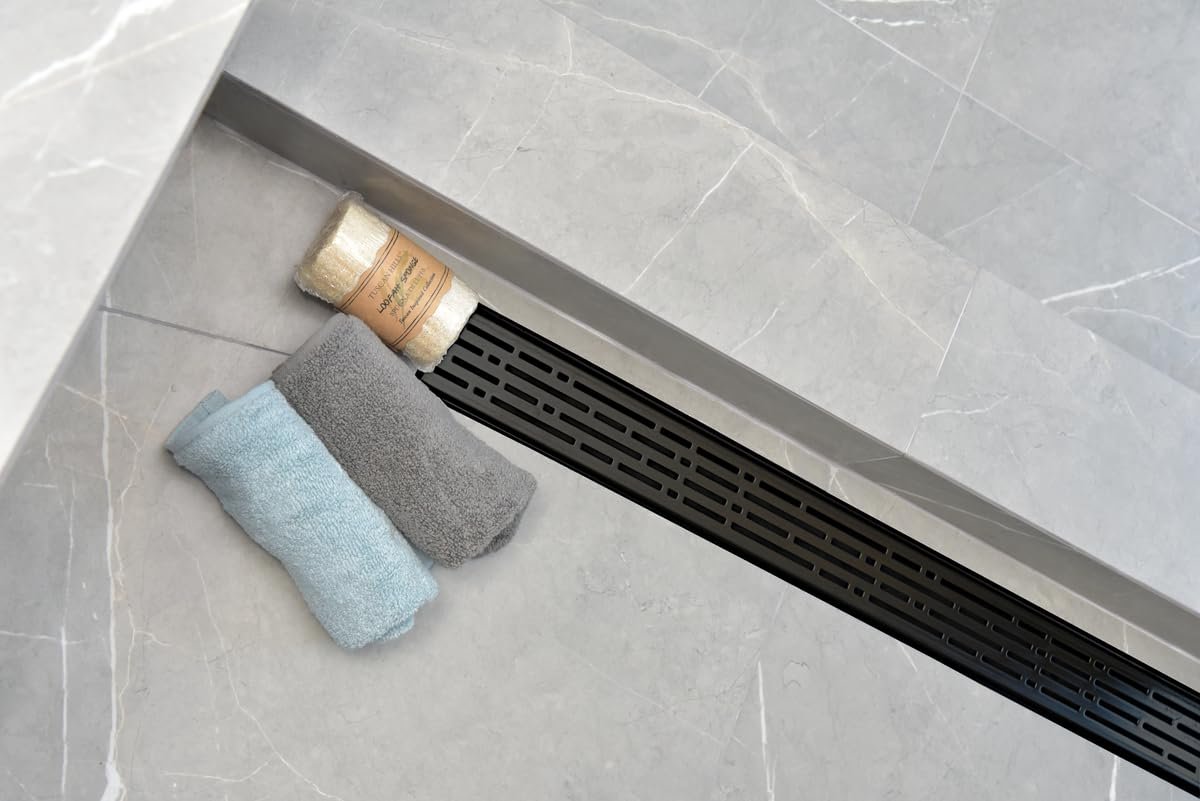
Install a Drain Cover
Installing a drain cover can help catch hair and other debris before it enters the drain and contributes to biofilm formation. Clean the cover regularly to ensure it functions effectively.
Ensure Proper Ventilation
Proper ventilation in your bathroom can reduce moisture levels, making it less conducive for biofilm to thrive. Consider installing an exhaust fan or keeping windows open to improve air circulation.
When to Call a Professional
If the biofilm problem persists despite your best efforts, it might be time to call in a professional plumber. They have the expertise and tools to tackle even the most stubborn biofilm issues effectively.
Signs You Need Professional Help
If you notice persistent odors, slow drainage, or recurring biofilm despite regular cleaning, professional intervention might be necessary. A plumber can assess the situation and provide targeted solutions.
Conclusion
Knowing how to remove biofilm in shower drain is essential for maintaining a clean and hygienic bathroom environment. By understanding the formation of biofilm and employing effective cleaning strategies, you can keep your shower drain clear and functioning properly. Regular maintenance and preventive measures can further help in avoiding biofilm buildup, ensuring a fresh and pleasant bathroom experience.
FAQs
What causes biofilm in shower drains?
Biofilm is caused by the accumulation of moisture and organic matter, creating an ideal environment for microorganisms to thrive.
How often should I clean my shower drain?
It’s recommended to clean your shower drain at least once a week to prevent biofilm buildup and maintain optimal drainage.
Can biofilm in shower drains be harmful?
While biofilm itself is not harmful, it can harbor bacteria and fungi that could potentially cause health issues if left unchecked.
For more tips on maintaining a clean shower drain, visit this guide on deep cleaning shower drains. Additionally, you can explore shower drain maintenance tips to keep your bathroom fresh and hygienic.
For external resources, check out this article on handling and preventing clogged shower drains.
This article contains affiliate links. We may earn a commission at no extra cost to you.