Proper maintenance of a Pressure Relief Valve (PRV) is essential for ensuring its efficient operation and longevity. One of the critical aspects of maintaining a PRV is lubrication. Knowing how to lubricate a PRV not only extends the life of the valve but also enhances its performance.
In this article, we will explore the steps involved in lubricating a PRV. We will also discuss the importance of PRV lubrication, the tools required, and the common mistakes to avoid. Understanding these aspects will equip you with the knowledge to maintain your PRV effectively.
What is a Pressure Relief Valve (PRV)?
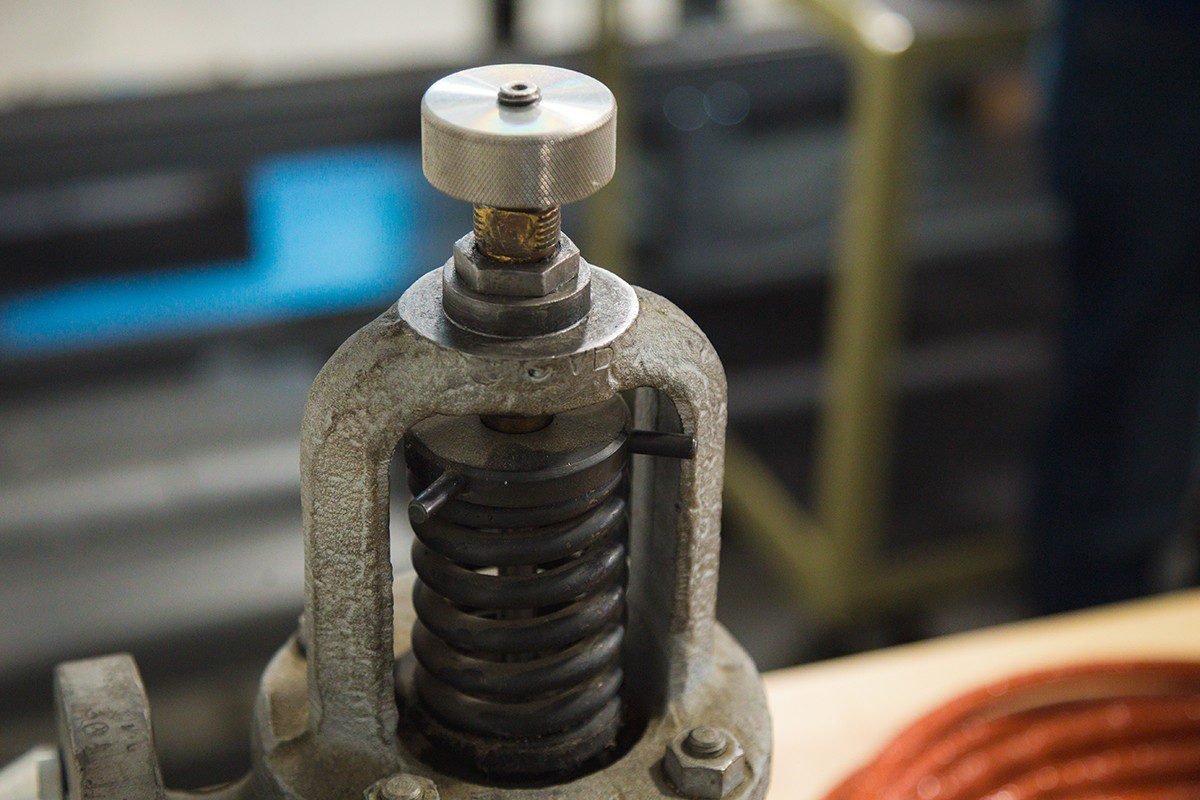
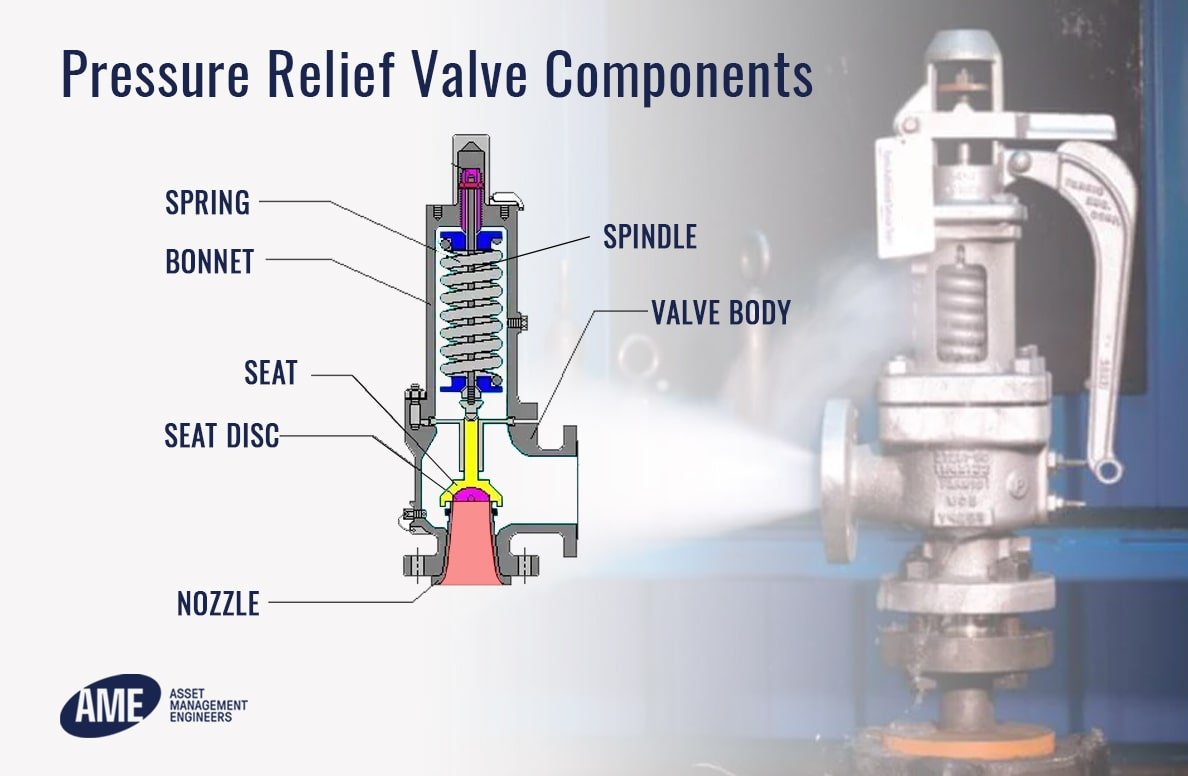
A Pressure Relief Valve (PRV) is a safety device designed to protect a system from overpressure. It automatically releases pressure when it exceeds a set limit, preventing potential damage or failure. PRVs are commonly used in various industries, including oil and gas, chemical processing, and manufacturing.
Why is Lubrication Important for PRVs?
Lubrication plays a vital role in the functioning of a PRV. It reduces friction between moving parts, minimizes wear and tear, and prevents corrosion. A well-lubricated PRV operates smoothly, ensuring accurate pressure relief and prolonging the valve’s lifespan.
Benefits of Proper PRV Lubrication
- Reduces Friction: Minimizes wear and extends the life of the valve.
- Prevents Corrosion: Protects metal components from rust and degradation.
- Ensures Smooth Operation: Allows the valve to open and close efficiently.
Tools Required for PRV Lubrication
Before you begin the lubrication process, gather the necessary tools and materials. These include:
- Lubricant: Choose a high-quality lubricant suitable for your PRV.
- Wrench: Used for loosening and tightening valve components.
- Cleaning Cloth: For wiping away dirt and old lubricant.
- Brush: Helps apply lubricant evenly.
Step-by-Step Guide on How to Lubricate a PRV
Follow these steps to lubricate your PRV effectively:
Step 1: Shut Off the System
Before performing any maintenance, ensure that the system is shut off and depressurized. This step is crucial for safety and prevents accidental discharge.
Step 2: Clean the Valve
Use a cleaning cloth to wipe away dirt, debris, and old lubricant from the valve’s surface. A clean valve ensures better lubricant adherence and performance.
Step 3: Apply Lubricant
Using a brush or applicator, apply a thin layer of lubricant to the moving parts of the PRV. Focus on areas prone to friction, such as the stem and seat.
Step 4: Reassemble and Test
Reassemble the valve components and test the PRV to ensure proper operation. Check for any leaks or irregularities.
Common Mistakes to Avoid
- Over Lubrication: Applying too much lubricant can attract dirt and cause build-up.
- Using the Wrong Lubricant: Always use a lubricant compatible with the valve material.
- Skipping Cleaning: Failing to clean the valve before lubrication can lead to ineffective results.
Maintenance Tips for Long-Lasting PRVs
Regular maintenance is key to ensuring the longevity of your PRV. Here are some tips:
- Schedule Regular Inspections: Conduct routine checks to identify potential issues early.
- Monitor System Pressure: Keep an eye on pressure levels to ensure the PRV is functioning correctly.
- Replace Worn Parts: Timely replacement of worn components prevents breakdowns.
FAQs on PRV Lubrication
How often should I lubricate my PRV?
The frequency of lubrication depends on the operating conditions and manufacturer’s recommendations. Generally, it is advisable to inspect and lubricate the PRV annually.
Can I use any lubricant for my PRV?
No, always use a lubricant recommended by the PRV manufacturer. Using the wrong lubricant can damage the valve materials and affect performance.
What should I do if my PRV is not functioning correctly after lubrication?
If the PRV malfunctions after lubrication, recheck the lubrication process, ensure proper assembly, and consult a professional if necessary.
For more detailed insights on pressure relief valves, you can refer to this comprehensive guide.
Additionally, understanding the impact of system backpressure and ensuring proper PRV orientation are crucial for optimal performance.
This article contains affiliate links. We may earn a commission at no extra cost to you.