
Keeping your shower drain free of hair is crucial for maintaining a clean and hygienic bathroom. Hair clogs can cause unpleasant odors, slow drainage, and even plumbing issues. Knowing how to keep shower drain free of hair can save you time and money in the long run. In this article, we’ll explore effective methods to prevent hair from clogging your shower drain, ensuring a smooth and hassle-free shower experience.
Understanding the Problem
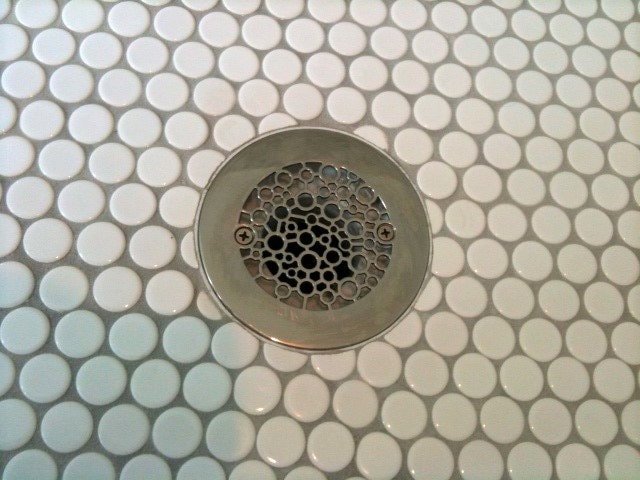
Hair accumulation in shower drains is a common issue faced by many. As you shower, loose hair naturally falls and gets washed down the drain. Over time, this hair can build up, combining with soap scum and other debris, forming stubborn clogs. Understanding why and how this happens is the first step in addressing the issue.
Preventive Measures
1. Use a Drain Cover
One of the simplest ways to prevent hair from clogging your shower drain is by using a drain cover. These mesh or silicone covers act as a barrier, catching hair before it enters the drain. Regularly cleaning the cover ensures it remains effective.
2. Regular Cleaning Routine
Incorporating a regular cleaning routine can significantly reduce hair buildup. Weekly cleaning with baking soda and vinegar can help dissolve minor buildups and keep your drain fresh.
3. Brush Hair Before Showering
Brushing your hair before showering can reduce the amount of loose hair that ends up in the drain. This simple step can be particularly effective for those with long or thick hair.
Effective Cleaning Techniques
1. Baking Soda and Vinegar
Mix equal parts of baking soda and vinegar and pour the mixture down the drain. Let it sit for 15 minutes before rinsing with hot water. This natural solution helps dissolve hair and other debris.
2. Use a Plumber’s Snake
A plumber’s snake, or drain auger, is a tool designed to remove tough clogs. Carefully insert the snake into the drain and twist it to break up and remove hair clogs.
3. Enzyme-Based Drain Cleaners
Enzyme-based cleaners are an eco-friendly alternative to harsh chemical cleaners. These products use natural enzymes to break down organic material, such as hair, without damaging your pipes.
Professional Solutions
1. Hiring a Plumber
If home remedies fail, hiring a professional plumber is a reliable option. Plumbers have the expertise and tools to address severe clogs effectively.
2. Regular Plumbing Maintenance
Scheduling regular maintenance with a plumber can help identify and prevent potential issues before they become significant problems. This proactive approach can save you from costly repairs.
Long-Term Strategies
1. Install a Hair Catcher
Installing a hair catcher in your shower drain is a long-term solution that can significantly reduce hair buildup. These devices are easy to install and maintain.
2. Educate Household Members
Educating your family or housemates about proper hair disposal and shower habits can significantly reduce the likelihood of clogs. Encourage them to follow preventive measures consistently.
Common Mistakes to Avoid
1. Ignoring Early Signs
Don’t ignore early signs of a clog, such as slow drainage or unpleasant odors. Addressing these issues promptly can prevent more significant problems.
2. Overusing Chemical Cleaners
While chemical cleaners can be effective, overuse can damage your pipes over time. It’s important to use them sparingly and opt for natural solutions when possible.
Conclusion
Keeping your shower drain free of hair is a manageable task with the right preventive measures and cleaning techniques. By understanding the problem and implementing these strategies, you can enjoy a clog-free shower experience. For more tips on maintaining your shower drain, visit maintenance tips.
FAQ Section
1. How often should I clean my shower drain?
It’s advisable to clean your shower drain weekly to prevent buildup and clogs.
2. Can I use bleach to clean my shower drain?
While bleach can be effective, it may damage your pipes over time. Opt for natural solutions like baking soda and vinegar instead.
3. What should I do if my drain is already clogged?
If your drain is clogged, try using a plumber’s snake or an enzyme-based cleaner. For severe clogs, consider hiring a professional plumber.
For more information on signs of a clogged drain, visit signs of a clogged drain.
This article contains affiliate links. We may earn a commission at no extra cost to you.