
Discovering a leak in your bathroom can be daunting and costly if not addressed promptly. Knowing how to find bathroom leak is crucial for any homeowner. By identifying leaks early, you can prevent extensive water damage and save on expensive repairs.
Bathroom leaks are common issues that can lead to significant problems if not detected and fixed on time. This guide will help you understand the signs of a leak, where they commonly occur, and how to address them effectively.
Signs of a Bathroom Leak
Before diving into the methods of detecting leaks, its important to recognize the signs. Here are some common indicators:
Unexplained Water Bills
If your water bill has suddenly increased without a change in usage, it might indicate a leak. Leaks often result in unexpected water consumption.
Water Stains
Look for water stains on walls or ceilings beneath the bathroom. These stains are often yellowish or brownish and signify water leakage.
Mold and Mildew
Persistent mold or mildew growth in the bathroom is another sign of a potential leak, as these fungi thrive in moist environments. For more details, visit mold issues.
Musty Odors
A musty smell in the bathroom may indicate water trapped somewhere, possibly due to a leak.
Common Leak Locations
Identifying where leaks commonly occur can help in pinpointing the problem faster. Here are some typical areas:
Toilet Leaks
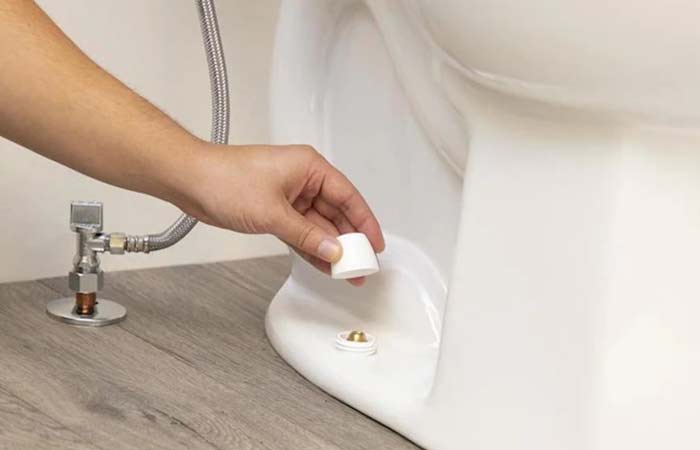
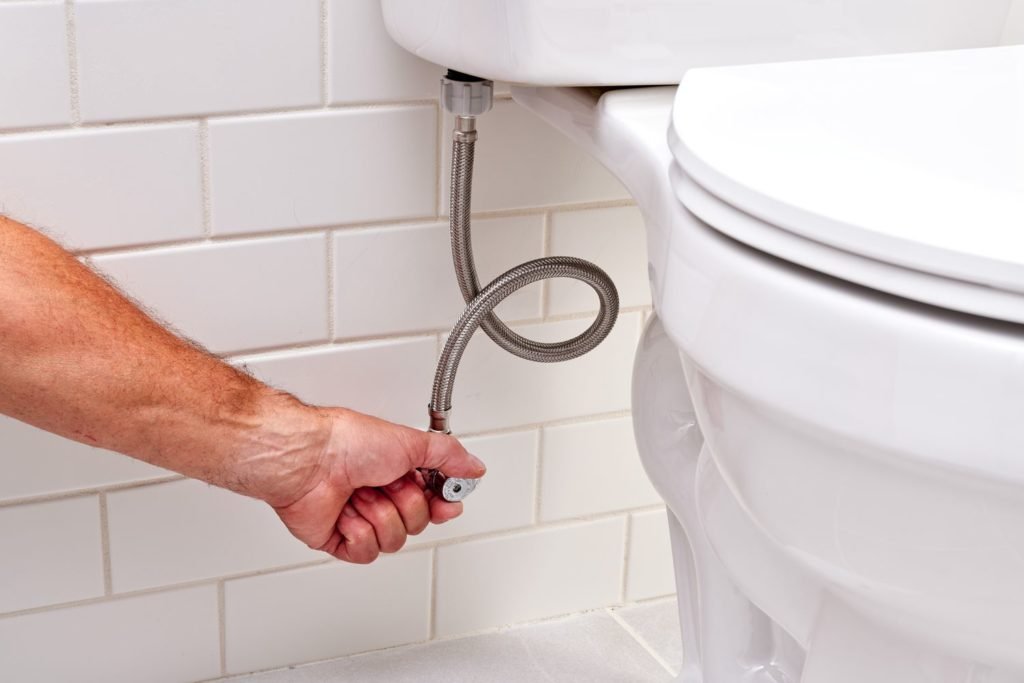
Toilets are a frequent source of leaks. Check for water on the floor around the toilet base, which might suggest a faulty seal or connection.
Sink and Faucet Leaks
Check for drips under the sink and around the faucet base. These could indicate worn-out washers or loose fittings. Learn more about fixing these at fixing leaks.
Shower and Bathtub Leaks
Inspect the grout and caulking around the tub and shower for cracks or gaps, as water can seep through these openings.
Pipes and Plumbing
Examine exposed pipes for condensation or drips. If a pipe is leaking behind the wall, you might need professional assistance. Check out wall leaks for more information.
Methods to Detect Bathroom Leaks
Once you suspect a leak, there are several methods to confirm it:
Visual Inspection
A thorough visual inspection of the bathroom can reveal potential leak sources. Look for signs like water stains or mold.
Water Meter Test
This test involves noting the water meter reading, avoiding water use for a while, and checking the meter again. A changed reading indicates a leak.
Food Coloring Test
To check for a toilet leak, add food coloring to the tank and wait. If the color appears in the bowl without flushing, theres a leak.
Professional Leak Detection
For hard-to-find leaks, consider hiring professionals who use advanced tools to locate leaks precisely. Learn more at professional leak detection.
Preventive Measures
Preventing leaks is as important as fixing them. Heres how you can reduce the risk of bathroom leaks:
Regular Maintenance
Regularly inspect and maintain all bathroom fixtures to ensure they function correctly and efficiently.
Seal and Caulk
Re-seal and re-caulk tiles, tubs, and sinks as needed to prevent water from seeping into walls or floors.
Piping Check
Conduct periodic checks of your homes plumbing system to ensure there are no leaks or potential failure points.
Conclusion
Detecting and addressing bathroom leaks is crucial for maintaining a safe and efficient home environment. By following the steps outlined in this guide, you can effectively find and fix leaks before they cause significant damage.
FAQ
How do I know if I have a leak behind the wall?
Look for signs like mold, mildew, or water stains on walls. You may also notice a musty odor. For more, see behind wall leak.
What causes bathroom leaks?
Common causes include worn-out seals, faulty plumbing, or improper installation. Regular maintenance can help prevent these issues.
Can a bathroom leak cause structural damage?
Yes, prolonged leaks can lead to structural damage, including weakened walls and floors, if not addressed promptly.
This article contains affiliate links. We may earn a commission at no extra cost to you.