In the realm of water management, AI water tech trends are making waves by revolutionizing the way we approach this precious resource. As industrial engineers, staying ahead of these trends is crucial for optimizing efficiency and sustainability. The integration of artificial intelligence into water technology is not just a futuristic concept; it is a present-day reality reshaping the industry. In this article, we’ll delve into the key trends and innovations that are driving this transformation.
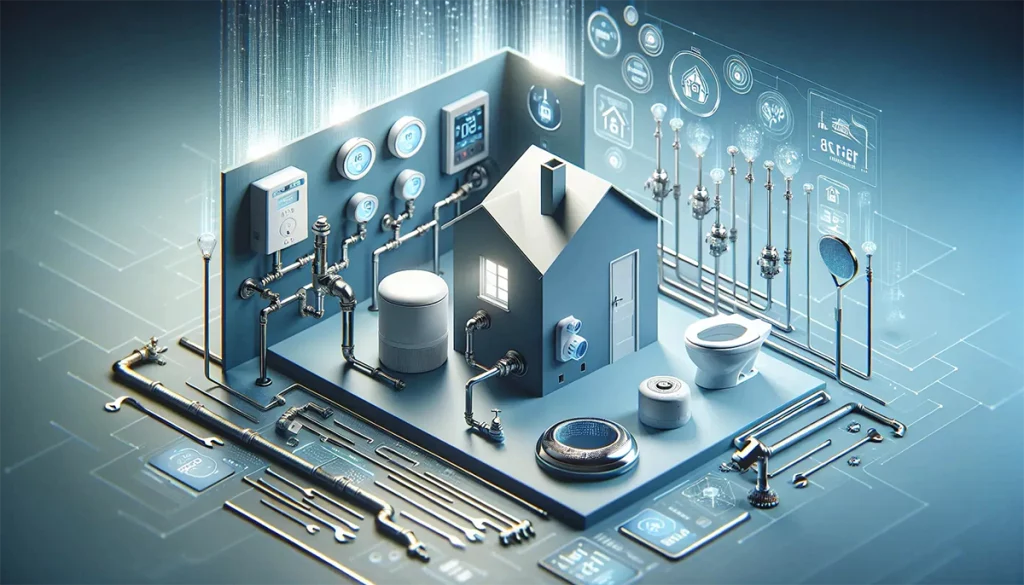
Understanding the Role of AI in Water Technology
The incorporation of artificial intelligence in water technology has introduced new levels of precision and efficiency. By leveraging AI algorithms, we can analyze vast amounts of data to make informed decisions about water resource management. This approach is particularly beneficial in predicting water demand, optimizing distribution networks, and minimizing waste.
Predictive Analytics: Foreseeing Water Needs
One of the most significant AI water tech trends is the use of predictive analytics. By analyzing historical data and current conditions, AI can forecast water usage patterns. This capability allows municipalities and industries to prepare for peak demand periods, ensuring that water supply meets the needs without overproduction or wastage.
Smart Water Networks: Enhancing Efficiency
Smart water networks are becoming increasingly popular as they provide real-time monitoring and control of water systems. By incorporating AI, these networks can detect leaks, monitor water quality, and optimize pressure levels. This not only reduces operational costs but also ensures a sustainable supply of clean water. Learn more about leak detection and its impact on water conservation.
Innovations in AI-Powered Water Management
Autonomous Water Treatment Plants
AI is paving the way for autonomous water treatment plants that require minimal human intervention. These plants utilize machine learning algorithms to monitor water quality and adjust treatment processes in real-time. This innovation ensures that treated water meets the highest standards while reducing labor costs and improving operational efficiency.
AI-Driven Irrigation Systems
In agriculture, AI-driven irrigation systems are optimizing water usage by analyzing soil moisture levels and weather conditions. These systems ensure that crops receive the right amount of water at the right time, reducing waste and enhancing crop yield. Discover how smart irrigation is transforming agriculture.
Challenges and Opportunities in AI Water Tech
Data Privacy and Security
While AI offers numerous benefits, it also presents challenges, particularly in data privacy and security. As water systems become more interconnected, ensuring the protection of sensitive data is paramount. Engineers must implement robust cybersecurity measures to safeguard against potential threats.
Adoption and Integration
The integration of AI into existing water systems can be complex and costly. However, the long-term benefits, such as improved efficiency and reduced operational costs, outweigh the initial investment. As more industries and municipalities recognize these advantages, the adoption of AI water tech is expected to grow.
Future Prospects of AI in Water Technology
AI and Climate Change Adaptation
As climate change continues to impact water resources, AI can play a vital role in adaptation strategies. By analyzing climate data, AI can help predict extreme weather events and their impact on water systems, allowing for proactive measures to mitigate risks.
Collaboration Between Industries and AI Experts
To fully harness the potential of AI in water technology, collaboration between industries and AI experts is essential. By working together, they can develop innovative solutions that address the unique challenges of water management. Explore how AI enhances efficiency in water management.
Conclusion
The future of water technology is being shaped by AI innovations that offer unprecedented opportunities for efficiency and sustainability. As industrial engineers, embracing these AI water tech trends is crucial for staying competitive in the evolving landscape of water management. By leveraging AI, we can ensure a sustainable and reliable water supply for generations to come.
Frequently Asked Questions
What are AI water tech trends?
AI water tech trends refer to the integration of artificial intelligence in water management, enhancing efficiency, predictive analytics, and sustainability.
How can AI improve water management?
AI improves water management through predictive analytics, smart water networks, and autonomous treatment plants, optimizing resource use and reducing waste.
What challenges does AI present in water technology?
Challenges include data privacy, security, and the complexity and cost of integrating AI into existing systems.
This article contains affiliate links. We may earn a commission at no extra cost to you.