When it comes to maintaining a clean and efficient bathroom, keeping your shower drain clear of clogs is essential. Many people wonder how to clean shower drain with hydrogen peroxide, as it is a safe and effective method. This article will walk you through the process, ensuring your drains are free from blockages and unpleasant odors.

The Benefits of Using Hydrogen Peroxide
Hydrogen peroxide is a versatile cleaning agent that offers a range of benefits. It’s not only effective in cleaning but also gentle on your plumbing. It breaks down organic material, which makes it an ideal choice for clearing hair, soap scum, and other debris from your shower drain.
Why Choose Hydrogen Peroxide?
- Non-toxic: Unlike harsh chemical cleaners, hydrogen peroxide is non-toxic and safe for use in homes with children and pets.
- Environmentally friendly: It breaks down into water and oxygen, making it an eco-friendly option.
- Cost-effective: Hydrogen peroxide is affordable and readily available at most drugstores.
Preparing to Clean Your Shower Drain
Before you begin the cleaning process, gather the necessary materials. You will need:
- 1 cup of hydrogen peroxide
- 1/2 cup of baking soda
- A funnel
- Hot water
- Rubber gloves (optional)
Safety Tips
While hydrogen peroxide is generally safe, it is wise to wear rubber gloves to protect your skin, especially if you have sensitive skin.
Step-by-Step Cleaning Process
Step 1: Remove Visible Debris
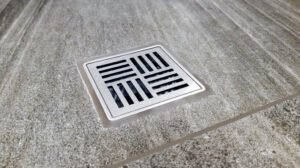
Start by removing any visible debris from the drain cover. You might find hair and soap scum, which can often be pulled out by hand or with a small tool.
Step 2: Prepare the Cleaning Solution
Mix 1 cup of hydrogen peroxide with 1/2 cup of baking soda in a bowl. This combination will create a fizzing reaction that helps break down the debris in the drain.
Step 3: Apply the Solution
Use a funnel to pour the mixture directly into the shower drain. Allow it to sit for about 15 minutes. During this time, the fizzing action will work to dissolve the blockage.
Step 4: Flush with Hot Water
After the mixture has had time to work, flush the drain with hot water. This will help wash away any remaining debris and ensure the drain is clear.
Maintaining a Clean Shower Drain
Regular maintenance can prevent clogs from forming in the first place. Here are a few tips to keep your drain in good working order:
- Use a drain cover: A drain cover can catch hair and soap scum before they enter the drain.
- Flush with hot water: Regularly flush your drain with hot water to prevent buildup.
- Periodic cleaning: Repeat the hydrogen peroxide cleaning process monthly to keep your drain clear.
Troubleshooting Common Drain Problems
If your drain remains clogged after trying these steps, there may be a more significant issue. Consider reading our guide on unclogging a shower drain for more solutions.
Persistent Odors
Sometimes, even after clearing a clog, you may notice unpleasant odors. This can be due to trapped debris. For tips on addressing this issue, check out our article on shower drain smells.
Recurring Clogs
Recurring clogs may indicate a more serious plumbing issue. It might be time to consult a professional plumber. For more information, visit Mr. Rooter’s guide on dealing with stubborn clogs.
Conclusion
Now that you know how to clean shower drain with hydrogen peroxide, you can maintain your bathroom’s cleanliness and functionality with ease. This method is safe, effective, and environmentally friendly. Incorporate it into your regular home maintenance routine to enjoy a clog-free shower drain.
FAQs
Can I use hydrogen peroxide on all types of drains?
Hydrogen peroxide is safe for most household drains. However, if you have specific plumbing materials, consult with a professional to ensure compatibility.
How often should I clean my shower drain?
For optimal performance, clean your shower drain monthly. This helps prevent clogs and maintains proper drainage.
What should I do if my drain remains clogged?
If your drain remains clogged after using hydrogen peroxide, try alternative methods like a plunger or a drain snake. For persistent problems, you might consider professional assistance.
This article contains affiliate links. We may earn a commission at no extra cost to you.