
Understanding how to avoid water hammer in PRVs is crucial for industrial engineers looking to maintain safe and efficient systems. Water hammer, a common issue in piping systems, can cause significant damage if not properly managed. This article explores strategies to prevent water hammer in Pressure Relief Valves (PRVs), ensuring the longevity and reliability of your systems.
What is Water Hammer?
Water hammer is a shock wave resulting from a sudden change in fluid velocity in a pipeline. This phenomenon can cause noise, vibration, and even damage to pipes and components. Understanding the mechanics of water hammer is the first step in prevention.
Causes of Water Hammer
Rapid Valve Closure
One of the primary causes of water hammer is the rapid closure of valves. When a valve closes quickly, it causes a sudden stop in fluid flow, creating a pressure wave that travels through the system.
Pump Shutdowns
Pump shutdowns can also lead to water hammer. When a pump stops, the flow of fluid changes abruptly, causing pressure surges.
Inadequate System Design
Systems that are not properly designed to handle changes in flow or pressure are more susceptible to water hammer. This includes improper sizing of pipes and valves.
Potential Damages from Water Hammer
Water hammer can lead to several issues, including pipe bursts, joint failures, and damage to equipment. It can also result in costly downtime for repairs and maintenance.
How PRVs Work in Preventing Water Hammer
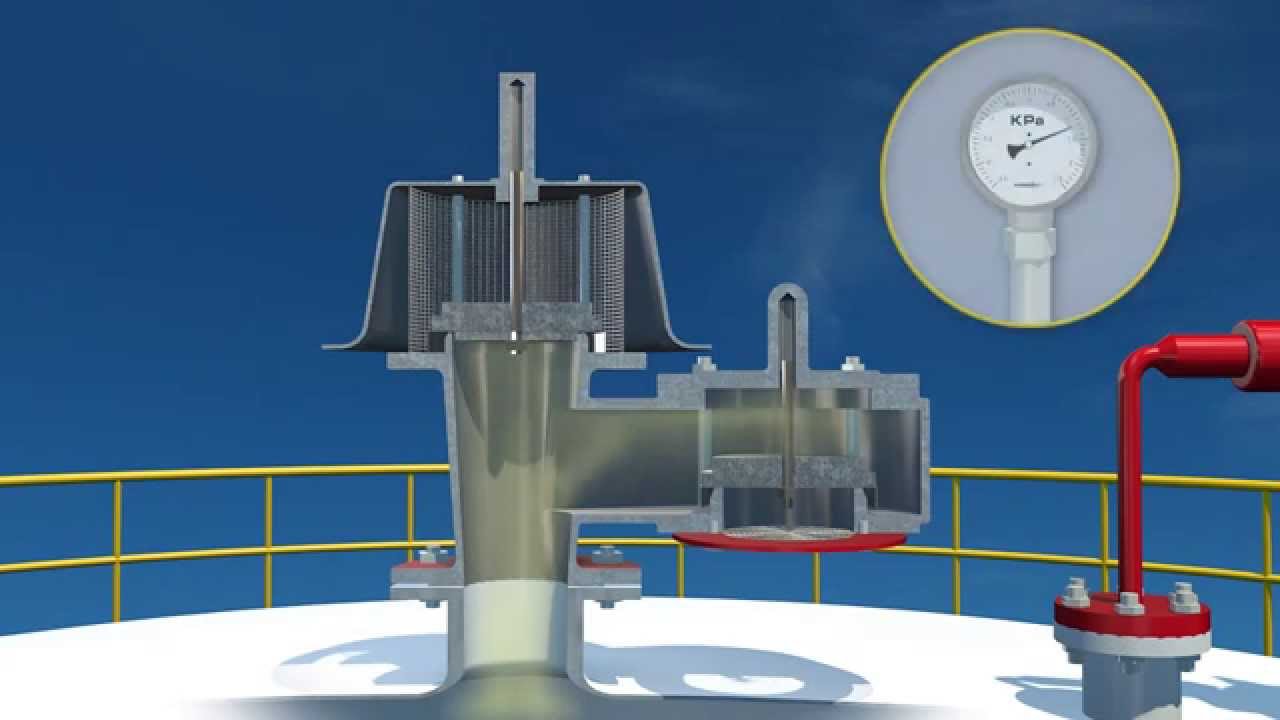
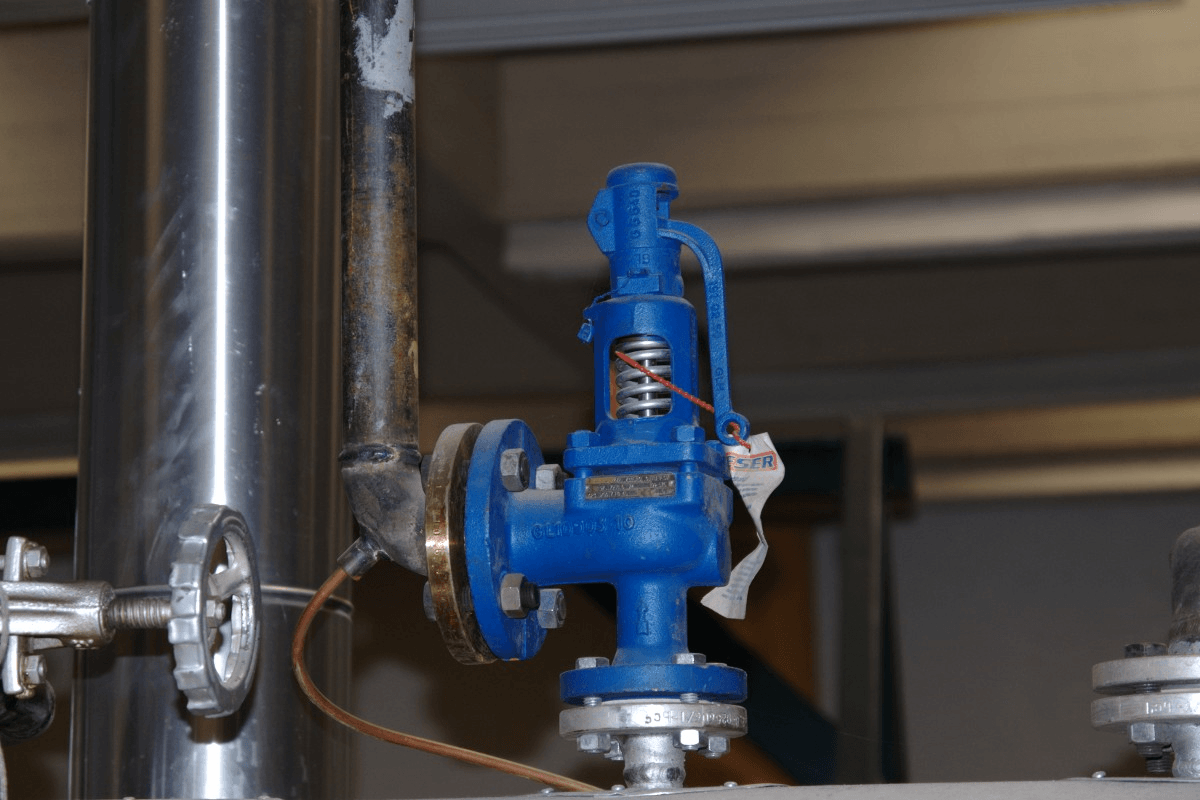
Pressure Relief Valves (PRVs) play a critical role in preventing water hammer by managing pressure changes within a system. They help maintain a steady state of operation, reducing the risk of sudden pressure surges.
Strategies to Avoid Water Hammer in PRVs
Proper Valve Sizing
Ensuring that PRVs are properly sized for the system is crucial. Undersized or oversized valves can contribute to water hammer. For more on valve sizing, refer to this guide on proper PRV orientation.
Gradual Valve Closure
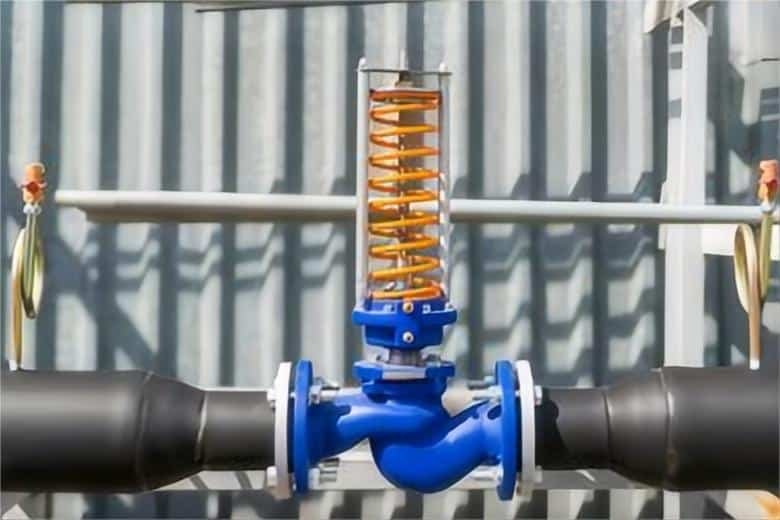
Implementing valves that close gradually can significantly reduce the risk of water hammer. These valves allow the fluid flow to slow down at a controlled pace, preventing sudden pressure changes.
Use of Surge Tanks
Surge tanks can absorb the shock waves caused by water hammer, protecting the system. They act as buffers, mitigating the impact of pressure changes.
Regular Maintenance
Regular maintenance of PRVs and other system components can help detect and address potential issues before they lead to water hammer. For tips on maintenance, see this article on valve seat wear and repair.
Advanced Technologies in PRVs
Modern PRVs are equipped with advanced technologies that enhance their ability to prevent water hammer. These technologies include smart sensors and automatic pressure management systems.
Case Studies: Successful Water Hammer Prevention
Several industries have successfully implemented strategies to prevent water hammer. For example, a chemical plant reduced incidents by 30% through proper valve sizing and regular maintenance.
Conclusion
Understanding how to avoid water hammer in PRVs is essential for maintaining the integrity and efficiency of industrial systems. By implementing the strategies outlined in this article, engineers can reduce the risk of water hammer and ensure the long-term reliability of their systems.
FAQs
What is the main cause of water hammer in PRVs?
The main cause is rapid valve closure, which creates a sudden stop in fluid flow, leading to a pressure wave.
How can regular maintenance help prevent water hammer?
Regular maintenance helps identify and fix potential issues before they lead to water hammer, ensuring system components function correctly.
Are there advanced technologies available for PRVs?
Yes, modern PRVs are equipped with smart technologies that enhance their ability to manage pressure changes, reducing the risk of water hammer.
This article contains affiliate links. We may earn a commission at no extra cost to you.