In the intricate world of industrial systems, understanding how relief valves respond to thermal expansion is vital for ensuring safety and efficiency. These valves are crucial in maintaining balance within systems by relieving excess pressure caused by thermal expansion. As temperatures fluctuate, so does the pressure within the system, and it is the role of the relief valve to manage these changes effectively.
Understanding Thermal Expansion
Thermal expansion occurs when materials expand in response to an increase in temperature. This phenomenon can lead to increased pressure within a system, potentially causing damage or failure. In industries where systems operate under high temperatures, such as chemical processing or power generation, managing thermal expansion is critical.
The Role of Relief Valves
Relief valves are designed to open at a predetermined pressure to protect systems from failing due to excessive pressure. When thermal expansion increases the pressure within a system beyond safe limits, the relief valve opens to discharge the excess pressure, thus preventing damage. This mechanism is not just a safety measure but a crucial component of system integrity and reliability.
Components of a Relief Valve
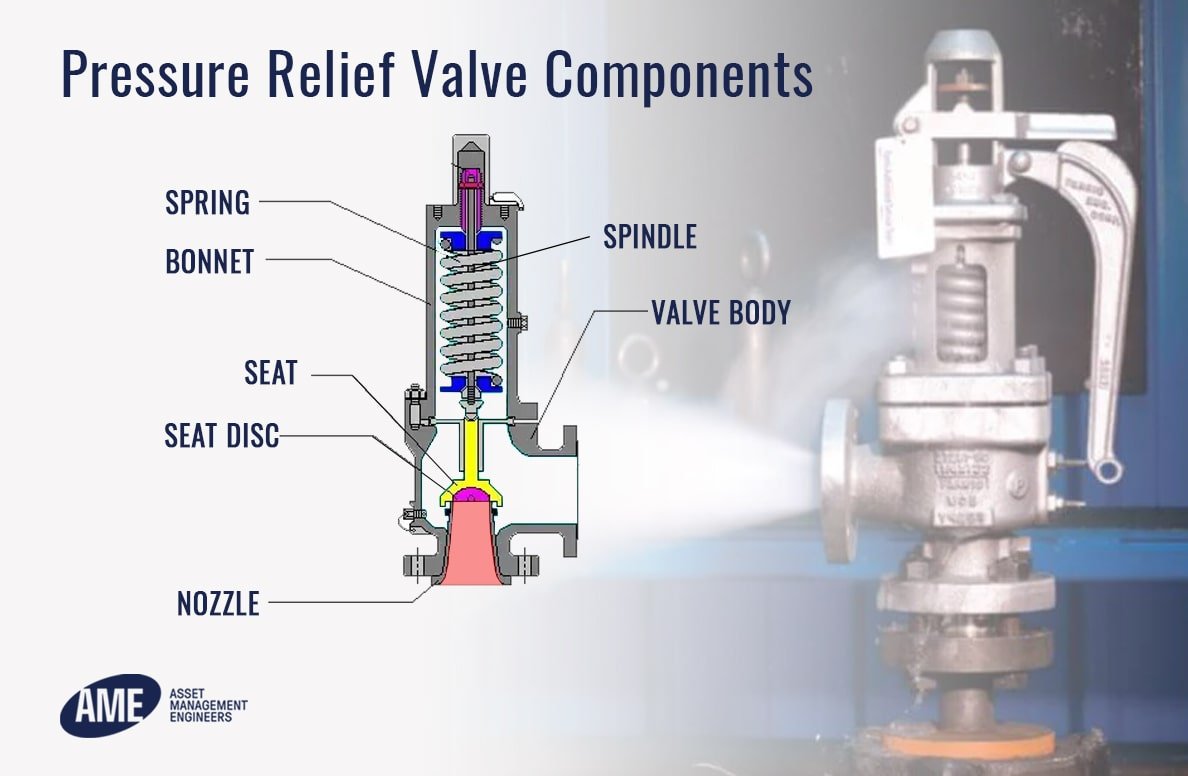
Understanding the components of a relief valve can help in appreciating how they function. The main parts include the valve body, disc, spring, and seat. Each plays a specific role in ensuring the valve opens and closes precisely as needed. The valve body houses the components, while the spring is calibrated to respond to specific pressure levels, controlling the opening and closing of the disc against the seat.
Valve Body
The valve body is the main structure that contains the internal parts of the valve. It is designed to withstand the maximum pressure of the system and is typically made from robust materials such as steel or brass.
Disc and Seat
The disc and seat are critical for the valve’s sealing ability. When the pressure in the system is within normal limits, the disc remains seated, preventing any flow through the valve. However, when the pressure exceeds the set limit, the disc lifts from the seat, allowing pressure to escape and thus reducing the system pressure.
How Relief Valves Respond to Thermal Expansion
The response of a relief valve to thermal expansion is a well-coordinated action. As temperatures rise, the materials within the system expand, causing an increase in pressure. When this pressure reaches the valve’s set point, the spring compresses, lifting the disc off the seat. This action allows the excess pressure to be safely vented, thus preventing potential system damage.
Spring Mechanism
The spring mechanism is integral to the functioning of relief valves. It is designed to compress at a specific pressure, ensuring the valve opens at the right moment. The spring’s tension is adjustable, allowing for customization based on system requirements.
Adjusting Set Pressure
Adjusting the set pressure of a relief valve is crucial for its effectiveness. This process involves calibrating the spring tension to ensure it responds accurately to thermal expansion. Regular maintenance and testing are essential to keep the valve operating at optimal levels.
Common Issues with Relief Valves
Despite their reliability, relief valves can encounter problems if not properly maintained. Common issues include valve seat wear, spring fatigue, and incorrect set pressure. Regular inspections and maintenance can help identify and rectify these issues before they lead to system failure.
Valve Seat Wear
Valve seat wear can lead to leakage and ineffective pressure relief. It is crucial to inspect the seat regularly and replace it if necessary to maintain the valve’s integrity. For more information on valve seat wear and repair, visit the Valvex guide.
Spring Fatigue
Spring fatigue can occur over time, leading to inaccurate pressure relief. Regular testing and replacement of the spring can prevent this issue, ensuring the valve responds correctly to pressure changes.
Importance of Regular Maintenance
Regular maintenance of relief valves is indispensable for their longevity and effectiveness. This includes cleaning, testing, and adjusting the valve components. By ensuring that relief valves are well-maintained, industries can prevent unexpected failures and maintain safe operating conditions.
Testing and Inspection
Regular testing and inspection can help detect issues before they cause failures. This involves checking the valve’s response to pressure, inspecting for any signs of wear, and verifying that all components are functioning correctly.
Conclusion
Understanding how relief valves respond to thermal expansion is crucial for industrial engineers and operators. These valves play a vital role in maintaining system integrity and safety by managing pressure changes due to thermal expansion. Regular maintenance and understanding the components and functioning of relief valves can prevent potential failures and ensure efficient operation.
For a deeper dive into the basics of pressure relief valves, consider visiting Beswick’s comprehensive guide.
FAQs
1. What causes thermal expansion in industrial systems?
Thermal expansion occurs when materials expand due to an increase in temperature, causing an increase in pressure within a system.
2. How do relief valves protect systems from damage?
Relief valves protect systems by releasing excess pressure when it exceeds a safe limit, preventing potential damage or failure.
3. Why is regular maintenance of relief valves important?
Regular maintenance is crucial to ensure the proper functioning of relief valves, preventing issues like valve seat wear and spring fatigue.
For more insights into proper PRV orientation, visit our PRV orientation guide.
This article contains affiliate links. We may earn a commission at no extra cost to you.