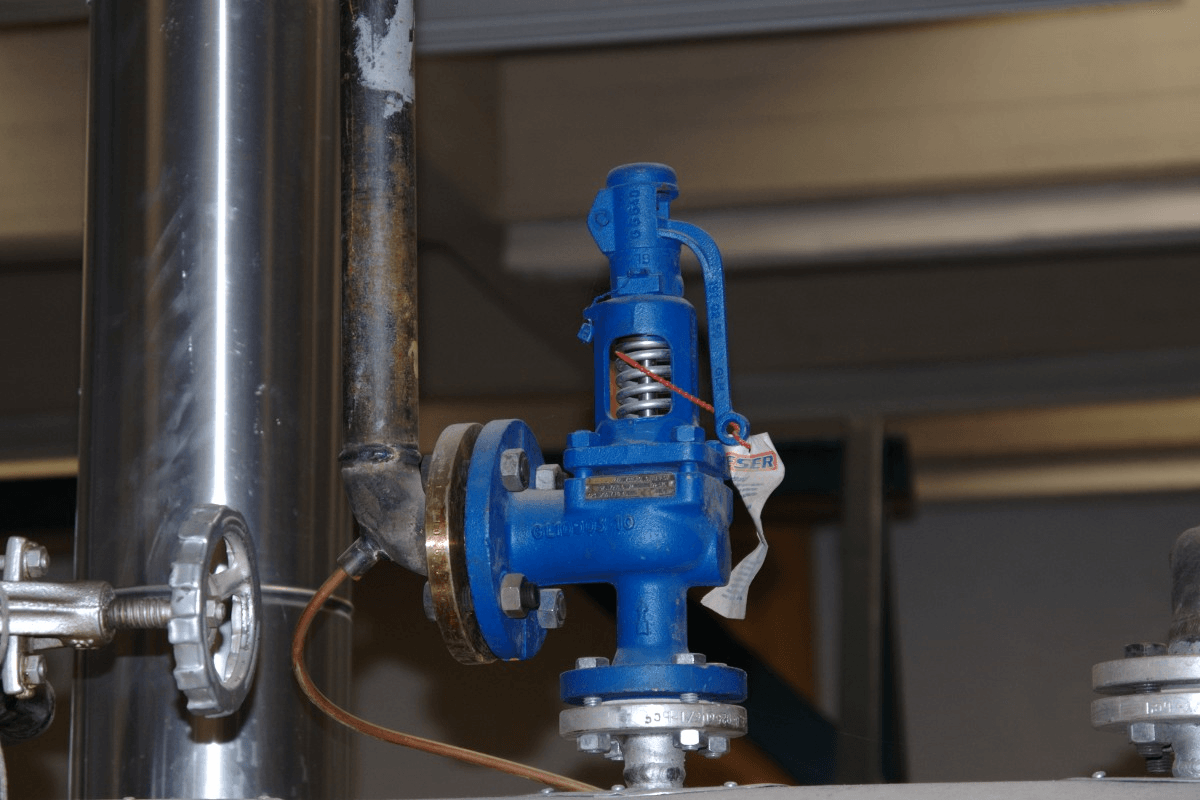

In the world of industrial engineering, ensuring the safety and efficiency of equipment is paramount. One critical component that plays a significant role in safeguarding machinery is the relief valve. This article will delve into how relief valves protect equipment and explore their importance in various industries.
The Importance of Relief Valves in Equipment
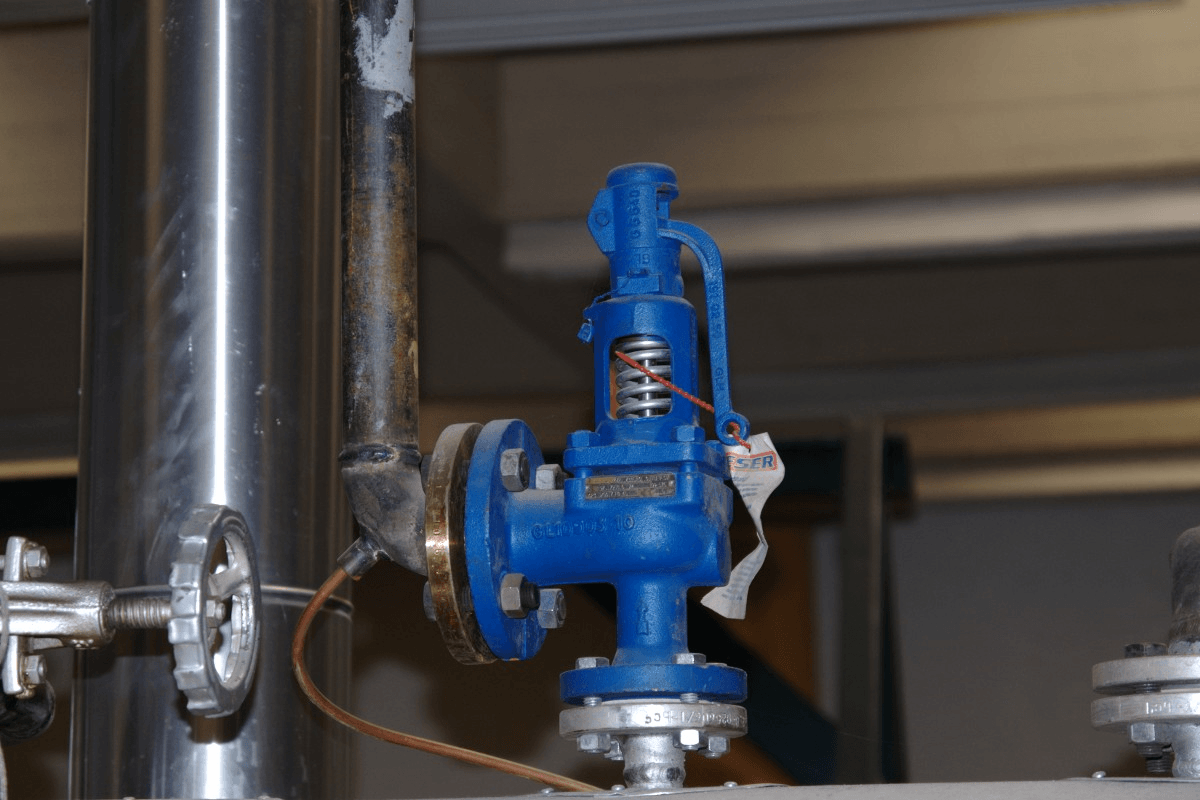
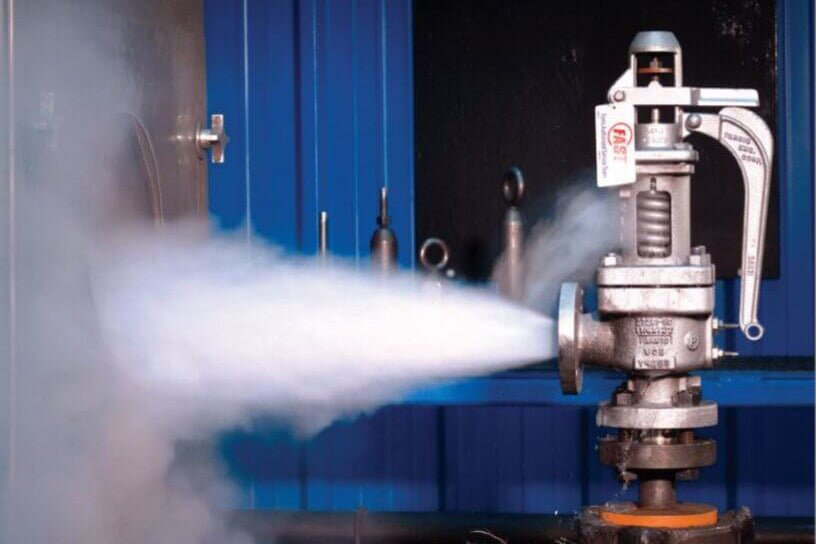
Relief valves are essential devices designed to control or limit the pressure in a system. When the pressure exceeds a predetermined limit, the valve opens, allowing excess pressure to be released, which helps prevent potential equipment failure or accidents.
Understanding the Functionality of Relief Valves
To grasp how relief valves protect equipment, it’s important to understand their basic functionality. These valves act as a safety mechanism, preventing pressure from building up to dangerous levels. By releasing the excess pressure, they ensure the system continues to operate safely and efficiently.
Types of Relief Valves
There are various types of relief valves, each designed for specific applications. Some common types include:
- Spring-loaded relief valves
- Pilot-operated relief valves
- Temperature and pressure relief valves
How Relief Valves Protect Equipment in Different Industries
Relief valves are used across multiple industries, each with its unique requirements and challenges. Let’s explore some sectors where these valves play a crucial role.
Oil and Gas Industry
In the oil and gas industry, maintaining pressure within safe limits is vital. Relief valves ensure that pipelines, tanks, and other equipment do not experience excessive pressure, which could lead to catastrophic failures.
Chemical Industry
In chemical processing plants, relief valves protect against overpressure situations caused by chemical reactions or equipment malfunctions. They help maintain the integrity of reactors, storage tanks, and piping systems.
Power Generation
Power plants rely on relief valves to manage pressure in boilers, turbines, and other critical components. These valves help prevent system failures that could lead to costly downtime and safety hazards.
Key Considerations for Selecting Relief Valves
When choosing a relief valve, several factors should be considered to ensure optimal performance and equipment protection.
Material Compatibility
The material of the relief valve must be compatible with the fluid it will be exposed to. This prevents corrosion and ensures the valve’s longevity.
Set Pressure and Capacity
The set pressure of the valve should match the system’s requirements. Additionally, the valve’s capacity must be sufficient to handle the maximum expected flow rate.
Regulatory Compliance
Ensure that the chosen relief valve complies with industry standards and regulations, such as the ASME Code.
Installation and Maintenance of Relief Valves
Proper installation and maintenance are crucial for the effective functioning of relief valves.
Installation Guidelines
Ensure that the valve is installed in the correct orientation and location to function effectively. Follow the manufacturer’s guidelines for installation to avoid potential issues.
Regular Inspection and Maintenance
Regular inspection and maintenance of relief valves are essential to ensure their continued operation. This includes checking for leaks, corrosion, and ensuring the valve opens and closes correctly.
Challenges and Solutions in Relief Valve Applications
While relief valves are crucial for equipment protection, they can face challenges such as:
Valve Leakage
Valve leakage can occur due to various reasons, including wear and tear or improper installation. Regular maintenance and timely replacement of worn parts can mitigate this issue.
Chatter and Flutter
Chatter and flutter can affect the valve’s performance, leading to premature wear. Ensuring proper installation and selecting the right valve type can help prevent these issues.
The Future of Relief Valves in Industry
As industries continue to advance, the role of relief valves will become even more critical. Innovations in materials and design will enhance their performance and reliability.
Smart Relief Valves
The integration of smart technology into relief valves will enable real-time monitoring and predictive maintenance, further enhancing equipment protection.
Environmental Considerations
The development of eco-friendly relief valves will contribute to sustainability efforts, reducing the environmental impact of industrial processes.
Conclusion
Relief valves are indispensable components in industrial systems, offering essential protection for equipment and ensuring safety. By understanding how relief valves protect equipment, industries can make informed decisions, leading to increased efficiency and reduced risks.
FAQs
Why are relief valves important?
Relief valves are important because they prevent overpressure situations, protecting equipment from potential damage or failure.
How often should relief valves be inspected?
Relief valves should be inspected regularly, at least annually, to ensure their proper functioning and safety.
Are there different types of relief valves for specific applications?
Yes, there are various types of relief valves designed for specific applications, such as spring-loaded, pilot-operated, and temperature and pressure relief valves.
For more information on the differences between safety and relief valves, you can visit AccuTest Systems.
This article contains affiliate links. We may earn a commission at no extra cost to you.