Bathrooms are one of the most critical areas in a house prone to leaks. Understanding the best bathroom leak detection methods is essential for maintaining a dry and safe home environment. In this article, we’ll explore various techniques to identify and manage leaks, ensuring your bathroom remains in top condition.
Understanding the Importance of Leak Detection
Water leaks in the bathroom can lead to significant damage if left undetected. Not only can they cause structural harm, but they also promote mold growth, which can be harmful to your health. Utilizing effective bathroom leak detection methods can save you from costly repairs and health issues.
Common Signs of Bathroom Leaks
Water Stains and Discoloration
One of the first signs of a leak is water stains on walls or ceilings. Discoloration often indicates that water is seeping through and needs immediate attention. For more information on spotting these signs, check this guide.
Mold and Mildew Growth
Mold thrives in moist environments. If you notice an unusual smell or visible mold, it’s time to investigate further as these are common indicators of water leaks.
Using Water Meters for Leak Detection
A water meter can be an excellent tool for detecting leaks. By monitoring the meter’s readings before and after a period of non-use, discrepancies can indicate a leak. Fixing bathroom leaks early can prevent further complications.
Checking Toilet Components
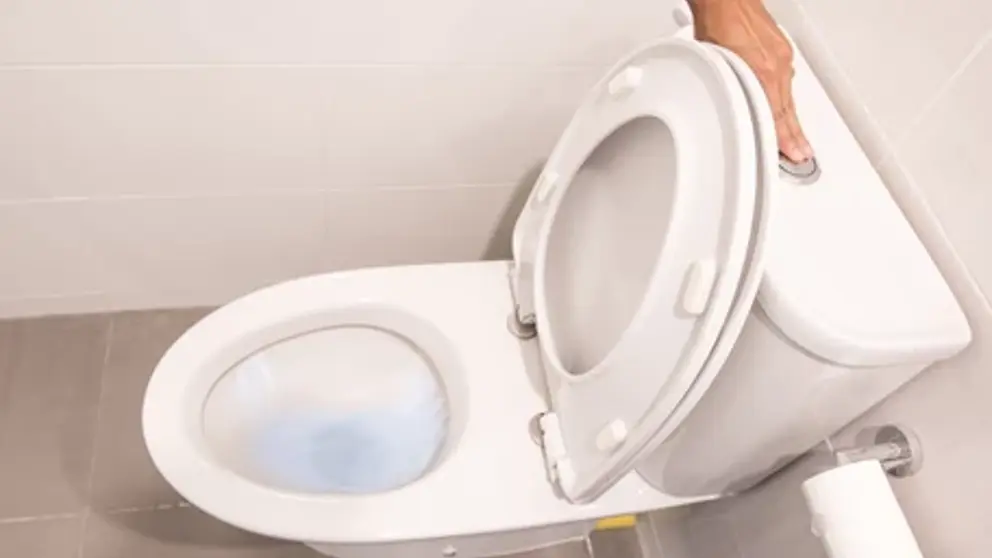
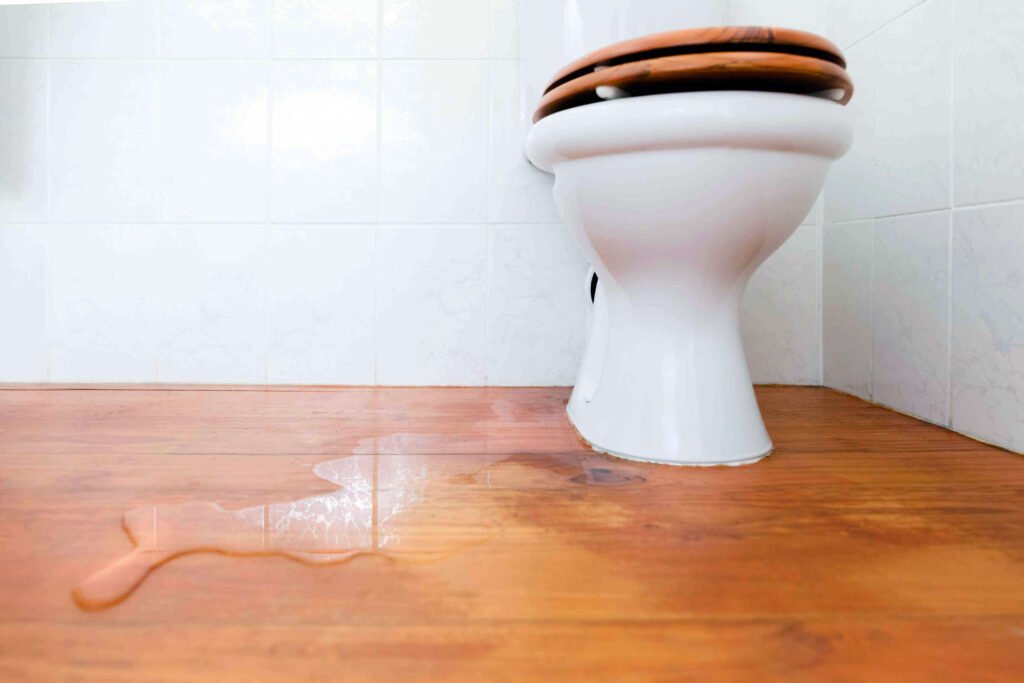
Toilets are frequent culprits in bathroom leaks. Regularly inspecting the toilet components, such as the flapper and fill valve, can help identify leaks early. If you notice any issues, this resource might be helpful.
Inspection of Pipes and Fixtures
Regular inspection of pipes and fixtures is crucial. Look for corrosion, rust, or water pooling around these areas, as they are often indicators of leaks.
Advanced Leak Detection Techniques
Thermal Imaging
Thermal imaging cameras can detect temperature differences behind walls, which may indicate leaks. This technology allows for non-invasive inspection.
Acoustic Listening Devices
These devices can detect the sound of water escaping from pipes, making them a useful tool for identifying leaks that are not visible.
Consulting with Professionals
Sometimes, leaks can be tricky to detect. In such cases, consulting with a professional can be beneficial. They have the right tools and expertise to pinpoint leaks accurately. If you’re uncertain, visiting this link can provide more insight.
Preventive Measures
Implementing preventive measures can minimize the likelihood of leaks. Regular maintenance and using quality materials during bathroom renovations can help in this regard.
Repairing Detected Leaks
Once a leak has been detected, it’s crucial to address it promptly. Repairing leaks involves fixing or replacing faulty components, such as pipes or seals.
Importance of Regular Maintenance
Regular maintenance is key to preventing leaks. By scheduling periodic inspections, you can ensure that minor issues are addressed before they become significant problems.
Conclusion
Utilizing the right bathroom leak detection methods can prevent extensive damage and maintain a safe, dry environment. By staying vigilant and adopting these techniques, you can protect your home and ensure a healthy living space. For more tips on managing bathroom leaks, explore this external resource.
FAQs
How can I tell if my bathroom has a hidden leak?
Look for signs such as water stains, mold growth, and an unexpected increase in your water bill.
What tools can help in detecting bathroom leaks?
Tools like water meters, thermal imaging cameras, and acoustic listening devices are effective in leak detection.
Should I hire a professional for leak detection?
If you’re unable to locate the source of a leak, it might be wise to consult a professional for accurate detection and repair.
This article contains affiliate links. We may earn a commission at no extra cost to you.