The question ‘how do smart valves work’ is not just about mechanics; it’s about understanding a revolution in fluid control systems that has captured the attention of Industrial Engineers and sectors looking for enhanced efficiency. In the early conversations about industrial automation, the focus has shifted towards integrating technology with traditional systems, and smart valves are at the forefront of this transformation.
Beneath their intricate technology, smart valves are designed to optimize the performance and reliability of fluid control processes. Before diving deeper, let’s first establish a comprehensive understanding of what smart valves are and how they are transforming varied industries.
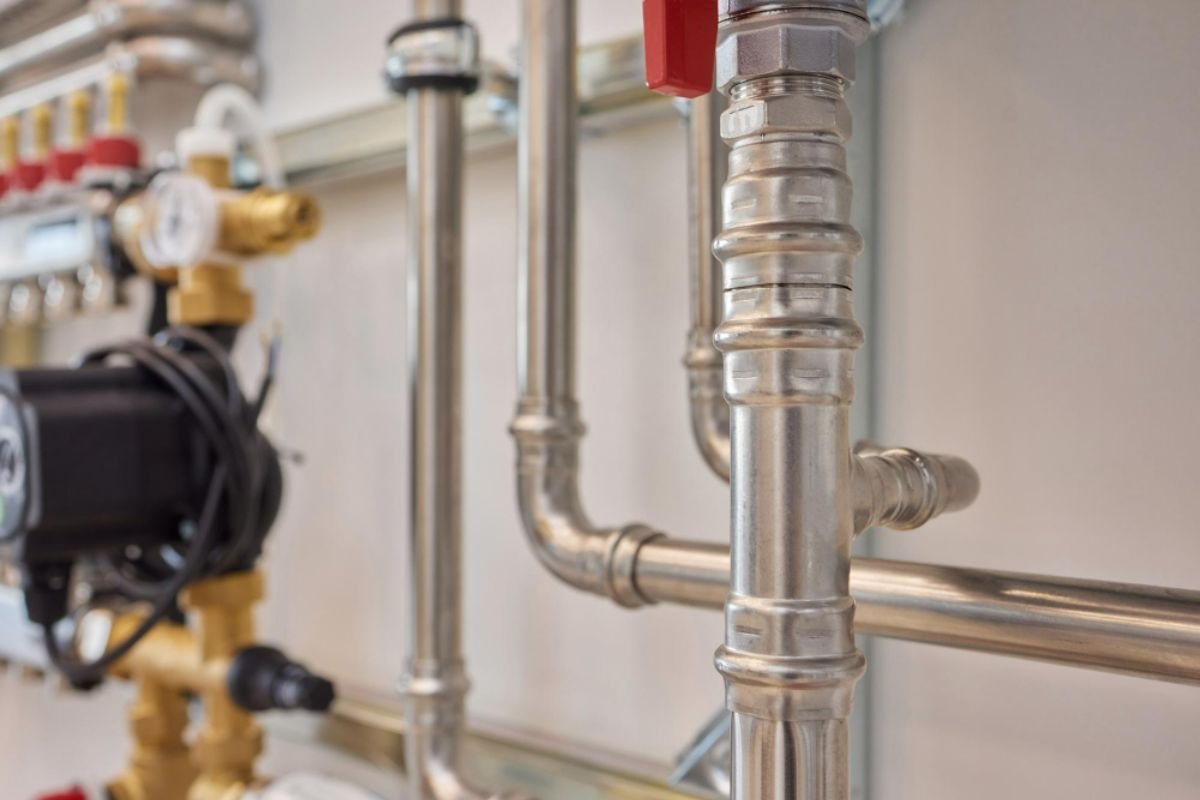
What Are Smart Valves?
Smart valves are advanced components within industrial systems, equipped with sensors and actuators to automatically control the flow and pressure of liquids, gases, and slurries. Unlike traditional valves, which require manual intervention, smart valves operate dynamically, adjusting themselves based on real-time data received through connected systems.
The Evolution from Traditional to Smart Valves
The evolution of valves from manual to digitalized, intelligent systems marks a significant leap in engineering technology. The traditional valves, though reliable, lack the adaptability and precision required for modern industrial applications. This led to the innovation of smart valves, which offer adaptive control, efficient energy usage, and seamless integration with IoT (Internet of Things) applications.
How Do Smart Valves Operate?
At the core of understanding ‘how do smart valves work’ is grasping the smart valve’s ability to interact within a network of connected devices. These valves contain embedded sensors that gather data about factors like flow rate, pressure, and temperature. Actuators within the valve then respond to these inputs to perform the necessary adjustments, ensuring optimal performance.
Components of Smart Valves
- Sensors: These gather real-time data, enabling the valve to adjust to varying conditions.
- Actuators: Responsible for moving the valve to control flow paths.
- Control Unit: The brain of the smart valve, where data is processed, and commands are sent to actuators.
- Connectivity Module: It allows the valve to communicate with other devices and systems for coordinated operation.
Advantages of Using Smart Valves
Smart valves bring several benefits that warrant their growing popularity in industries.
Enhanced Efficiency and Precision
Smart valves provide precise control over substances flowing within industrial systems, significantly reducing waste and increasing efficiency.
Predictive Maintenance
By continuously monitoring operational parameters, smart valves can predict potential failures before they occur, leading to reduced downtime and maintenance costs.
Energy Management
The ability to fine-tune operations means that smart valves contribute to energy efficiency, cutting down unnecessary energy expenditure.
Applications in Various Industries
Smart valves are pivotal in industries where precise fluid control is essential. In industrial plumbing, they prevent wastage and optimize system performance. Meanwhile, in the pharmaceutical sector, they ensure accurate dosages, critical for product safety and efficacy.
Integration with Industrial IoT
Industrial Internet of Things (IIoT) has transformed how industrial operations are conducted. Smart valves can seamlessly integrate into IIoT ecosystems, where they coexist with smart meters, pumps, and controllers, creating a synchronized operation framework.
Key Challenges and Solutions
Despite their numerous advantages, implementing smart valves is not without challenges. One major challenge is integrating them into existing systems without significant overhauls. However, with advances in technology, many companies now offer retrofit solutions to transform traditional valves into smart counterparts.
Security Concerns
Cybersecurity is a crucial concern in IIoT environments. Ensuring robust security protocols in place protects against data breaches and unauthorized access to the system.
Cost and Investment
Initially, the cost of implementing smart valves and associated systems can be high, but the long-term benefits through cost savings in maintenance and efficiency justify the investment.
The Future of Smart Valves
The landscape for smart valves is expanding rapidly. With evolving technology, these systems are becoming more efficient, affordable, and versatile. They play a critical role in the shift towards sustainability and environmental responsibility, allowing industries to optimize resource usage effectively.
Technological Advancements on the Horizon
Future developments may include enhanced AI algorithms, further improving the predictive capabilities of smart valves and their integration with energy-saving technologies.
Broader Implications
The evolution of smart valves could mean safer, more cost-effective operations across industries worldwide, promoting a future where industrial processes harmonize with sustainability goals.
Conclusion
In conclusion, while the question ‘how do smart valves work’ might seem straightforward, it opens the door to a broader discussion about their pivotal role in modern industry. These intelligent systems are about more than just adjusting fluid flow – they’re key to a smarter, more efficient industrial landscape.
Faq
1. What are smart valves, and how do they differ from traditional valves?
Smart valves are advanced fluid control devices equipped with sensors and actuators for automated adjustments based on operating conditions. Unlike traditional valves, which require manual control, smart valves self-regulate using real-time data, providing enhanced precision and efficiency.
2. What industries benefit the most from using smart valves?
Industries where precision in flow control is crucialsuch as pharmaceutical, chemical, food & beverage, and plumbingbenefit significantly from smart valves. They ensure process accuracy, reduce waste, and enhance operational efficiency.
3. How do smart valves integrate with IoT technology?
Smart valves connect to IoT systems using connectivity modules, enabling data exchange with other smart devices. This integration allows for synchronized operation with sensors, pumps, and control systems, facilitating a seamless flow of information and enhancing process management.
For more on the role of smart valves in industry, explore this [external resource](https://www.intuz.com/blog/smart-valves-in-industrial-settings) for further insight.
This article contains affiliate links. We may earn a commission at no extra cost to you.