
In today’s rapidly advancing technological landscape, understanding how AI detects leaks has become crucial, especially for industrial engineers. The integration of artificial intelligence (AI) in various sectors has revolutionized how we approach problems, and leak detection is no exception. By employing AI, industries not only enhance efficiency but also ensure sustainability and safety.
Given the significance of water conservation and the prevention of damages caused by leaks, the role of AI in this domain cannot be overstated. In this article, we will explore the mechanisms, benefits, and applications of AI in leak detection, shedding light on the innovative ways it is transforming industries.
The Importance of Leak Detection
Leaks, whether in water systems, gas pipelines, or other critical infrastructures, pose significant risks. They can lead to wastage, increased costs, and even safety hazards. For industrial engineers, ensuring the integrity of systems is paramount, and thats where AI steps in to offer unprecedented solutions.
Environmental Impact
Water leaks contribute to substantial water loss, affecting not only utility costs but also the environment. With global water scarcity becoming a pressing issue, detecting and addressing leaks efficiently is essential. AI technologies provide a proactive approach to mitigate such losses.
Economic Consequences
Undetected leaks can lead to increased operational costs, infrastructure damage, and regulatory fines. AI-driven solutions help industries save money by identifying leaks before they escalate into severe problems.
How AI Detects Leaks: The Technology Behind It
AI employs a variety of techniques to identify leaks with remarkable accuracy. Here are some key technologies involved:
Machine Learning Algorithms
Machine learning plays a pivotal role in leak detection by analyzing data patterns and identifying anomalies that indicate leaks. These algorithms learn from historical data, allowing them to predict potential leaks and suggest preventive measures.
Sensor Integration
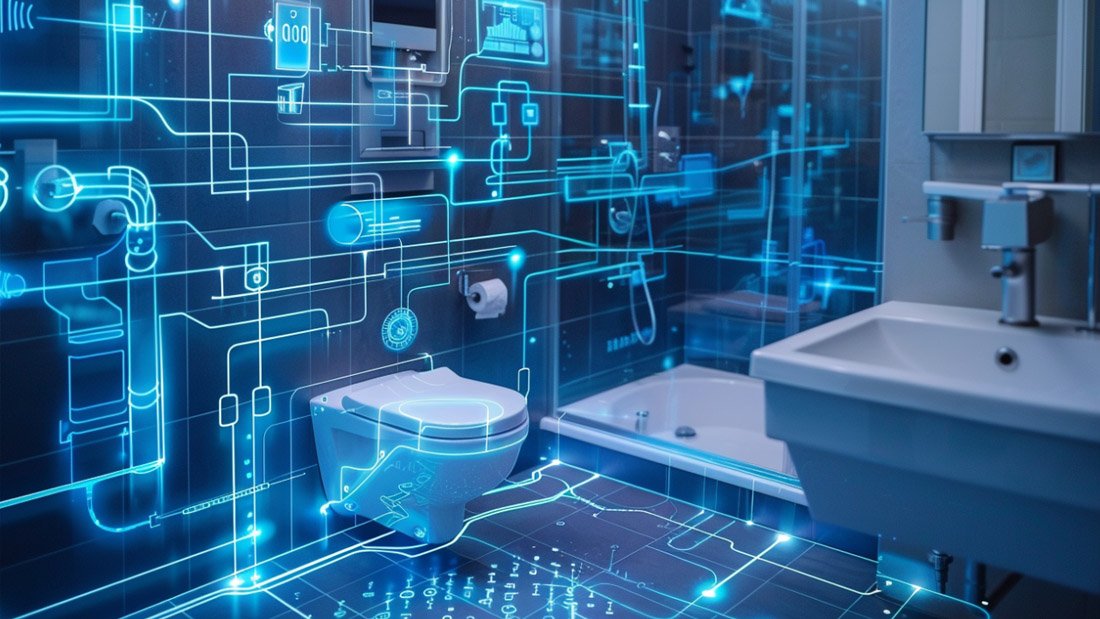
Advanced sensors are deployed to monitor pipelines and other infrastructures. These sensors collect real-time data, which is then processed by AI systems to detect irregularities. Integrating AI with sensor technology enhances the precision of leak detection.
Data Analysis
AI systems analyze vast amounts of data quickly and accurately. By processing sensor data and other inputs, AI can identify anomalies that human operators might miss, ensuring timely detection of leaks.
Applications of AI in Leak Detection
The application of AI in leak detection spans various industries, each benefiting from its unique capabilities:
Water Management
In the water sector, AI helps utilities monitor water distribution systems and identify leaks early on. Solutions such as water shutoff apps provide real-time alerts, enabling prompt responses to potential issues.
Oil and Gas Industry
For the oil and gas sector, preventing leaks is crucial for safety and environmental reasons. AI systems are used to monitor pipelines and detect leaks, reducing the risk of spills and ensuring compliance with safety regulations.
Home and Commercial Buildings
AI is also making its way into residential and commercial buildings. Smart systems, like smart water valves, are designed to detect leaks in plumbing, offering homeowners peace of mind and reducing water bills.
Benefits of Using AI for Leak Detection
Implementing AI for leak detection offers numerous advantages:
Accuracy and Speed
AI systems process data faster than traditional methods, ensuring quicker detection of leaks. The accuracy of AI in identifying leaks reduces false alarms and enhances the reliability of detection systems.
Cost Efficiency
By preventing leaks early, AI helps industries save on repair costs and mitigate potential damages. The investment in AI technology is often offset by the savings from avoiding major leak-related expenses.
Improved Safety
For industries dealing with hazardous materials, such as oil and gas, AI enhances safety by reducing the risk of accidents caused by undetected leaks.
Sustainability
AI-driven leak detection promotes sustainable practices by minimizing resource wastage and supporting environmental conservation efforts.
Challenges in AI Leak Detection
While AI offers significant benefits, there are challenges to consider:
Data Quality
The effectiveness of AI depends on the quality of data it receives. Poor data quality can lead to inaccurate results, undermining the reliability of AI systems.
Initial Cost
The upfront cost of implementing AI technology can be a barrier for some organizations. However, the long-term benefits often justify the investment.
Integration with Existing Systems
Integrating AI with legacy systems can be challenging, requiring careful planning and execution to ensure seamless operation.
The Future of AI in Leak Detection
As AI technology continues to evolve, its application in leak detection will become more sophisticated. Future advancements may include:
Enhanced Algorithms
Continued improvements in machine learning algorithms will increase the accuracy and reliability of AI-driven leak detection systems.
Wider Adoption
As the benefits of AI become more apparent, more industries will adopt these technologies, leading to broader implementation and innovation.
Integration with IoT
The integration of AI with the Internet of Things (IoT) will enable more comprehensive and interconnected leak detection systems, further enhancing their effectiveness.
Conclusion
Understanding how AI detects leaks is essential for industrial engineers and businesses seeking to improve efficiency and sustainability. AI offers a proactive solution to leak detection, providing accuracy, cost savings, and environmental benefits. As technology advances, the role of AI in this field will continue to grow, offering even more innovative solutions to a critical global challenge.
FAQs
What are the main benefits of using AI for leak detection?
AI offers several benefits, including improved accuracy, cost efficiency, enhanced safety, and sustainability. By detecting leaks early, AI helps prevent resource wastage and infrastructure damage.
How does AI improve leak detection accuracy?
AI systems use machine learning algorithms to analyze data patterns and identify anomalies. This allows them to detect leaks with greater accuracy and speed compared to traditional methods.
Can AI be integrated with existing systems?
Yes, AI can be integrated with existing systems, although it may require careful planning and execution. The integration enhances the overall efficiency of leak detection processes.
For more insights into AI and its applications, you can explore further here.
This article contains affiliate links. We may earn a commission at no extra cost to you.