Upgrading your home’s plumbing system can seem like an overwhelming task, but with a well-structured home plumbing upgrade checklist, it becomes a manageable and even enjoyable process. Whether you’re a homeowner looking to boost the functionality of your plumbing or an industrial engineer seeking to improve efficiency, this guide will provide you with the necessary steps and considerations for a successful plumbing upgrade.
Why Upgrade Your Home Plumbing?
Before diving into the specifics of the checklist, it’s essential to understand the reasons behind upgrading your home plumbing system. An efficient plumbing system not only enhances the comfort of your living space but also significantly contributes to water conservation and energy savings. Additionally, modern plumbing systems can help you avoid costly repairs in the future, making it a wise investment for any homeowner.
Assessing Your Current Plumbing System
Conducting a Thorough Inspection
The first step in your home plumbing upgrade checklist is to assess the current state of your plumbing system. This involves a thorough inspection of all pipes, fixtures, and appliances to identify any existing issues or areas that need improvement. Look for signs of leaks, corrosion, or outdated components that may require replacement.
Consulting with a Professional
While a DIY inspection is a good start, consulting with a professional plumber is highly recommended. An experienced plumber can provide valuable insights and recommendations tailored to your specific needs. They can also identify potential problems that may not be visible to the untrained eye.
Planning Your Plumbing Upgrade
Setting a Budget
One of the critical aspects of any home improvement project is setting a realistic budget. Your budget will determine the scope of your plumbing upgrade and help you prioritize the most important tasks. Consider both material costs and labor expenses when planning your budget.
Creating a Timeline
In addition to budgeting, creating a timeline for your plumbing upgrade is crucial. Determine the order of tasks and set deadlines to ensure the project stays on track. Keep in mind that some upgrades may require permits or inspections, which could affect your timeline.
Essential Components of a Plumbing Upgrade
Replacing Old Pipes
One of the primary components of a plumbing upgrade is replacing old, deteriorated pipes. Pipes made from materials like lead or galvanized steel are prone to corrosion and leaks, making them prime candidates for replacement. Consider upgrading to modern materials such as copper or PEX, which offer improved durability and longevity.
Upgrading Fixtures and Appliances
Modern fixtures and appliances not only enhance the aesthetics of your home but also improve water efficiency. Consider replacing old toilets, faucets, and showerheads with low-flow alternatives to reduce water consumption. Additionally, upgrading to energy-efficient water heaters can lead to significant energy savings.
Integrating Smart Plumbing Solutions
Installing Smart Water Valves
Smart plumbing solutions are revolutionizing the way we manage our home water systems. Installing smart water valves can provide real-time monitoring and control over your water usage. Learn more about the benefits of smart water valves here.
Automating Plumbing Systems
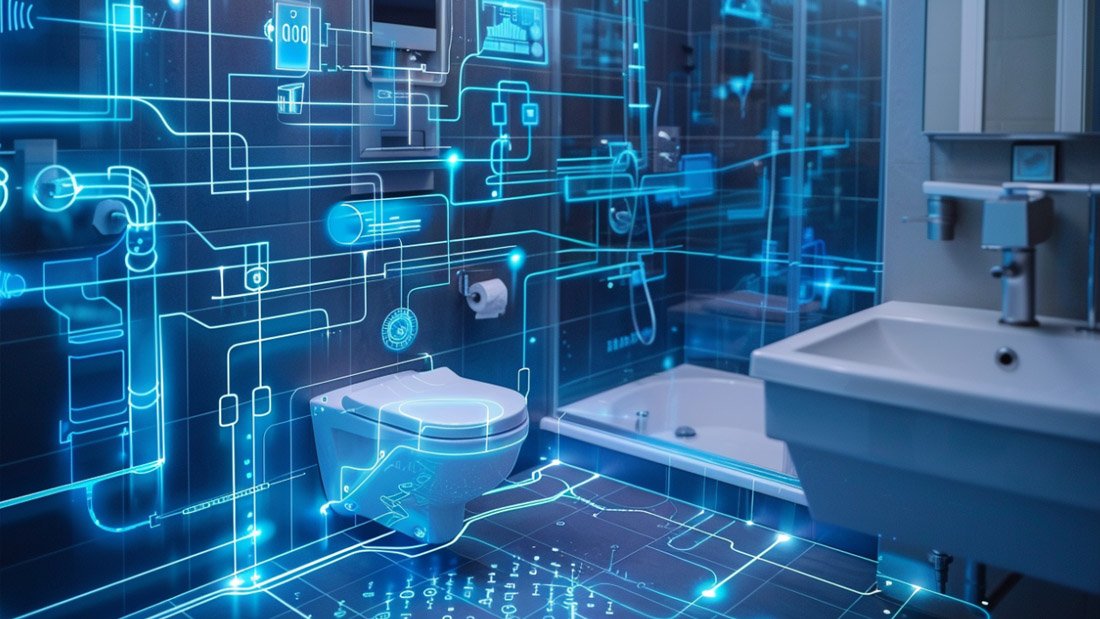
Automation is becoming increasingly popular in home plumbing systems. By integrating plumbing automation, you can enjoy features like leak detection, water usage tracking, and remote control of your plumbing system.
Ensuring Compliance and Safety
Adhering to Building Codes
When upgrading your home plumbing, it’s crucial to ensure compliance with local building codes and regulations. Building codes are designed to ensure the safety and efficiency of your plumbing system. Consult with your local building department or a professional plumber to ensure your upgrades meet all necessary requirements.
Implementing Safety Measures
Your plumbing upgrade should also prioritize safety measures to protect your home and family. This includes installing water pressure regulators, backflow prevention devices, and water filtration systems to ensure the quality and safety of your water supply.
Maintaining Your Upgraded Plumbing System
Regular Maintenance
After completing your plumbing upgrade, regular maintenance is essential to ensure its longevity and performance. Schedule routine inspections and maintenance checks to catch any potential issues before they become major problems.
Monitoring Water Usage
Monitoring your water usage is a proactive way to identify leaks or inefficiencies in your plumbing system. Smart water meters and apps can help you track your water consumption and alert you to any unusual patterns.
Frequently Asked Questions
What are the benefits of upgrading my home plumbing system?
Upgrading your home plumbing system can lead to improved water efficiency, reduced utility bills, increased property value, and enhanced comfort in your living space. Modern plumbing systems also help prevent costly repairs in the future.
How often should I schedule maintenance for my upgraded plumbing system?
It’s recommended to schedule plumbing maintenance at least once a year. However, more frequent checks may be necessary if you have an older home or if you’ve noticed any issues with your plumbing system.
What are smart water valves, and how do they work?
Smart water valves are devices that allow you to monitor and control your water usage remotely. They can detect leaks, shut off water supply automatically in case of emergencies, and provide real-time water usage data. Learn more here.
For more insights on the future of plumbing, check out this article on AI in plumbing services.
This article contains affiliate links. We may earn a commission at no extra cost to you.