
In the era of smart technology, home automation for plumbing has emerged as a revolutionary concept, offering both convenience and efficiency. By integrating advanced systems, homeowners are now able to manage their water usage with precision, ensuring both savings and sustainability. This article delves into how this technology is transforming our homes and providing substantial benefits.
Understanding Home Automation for Plumbing
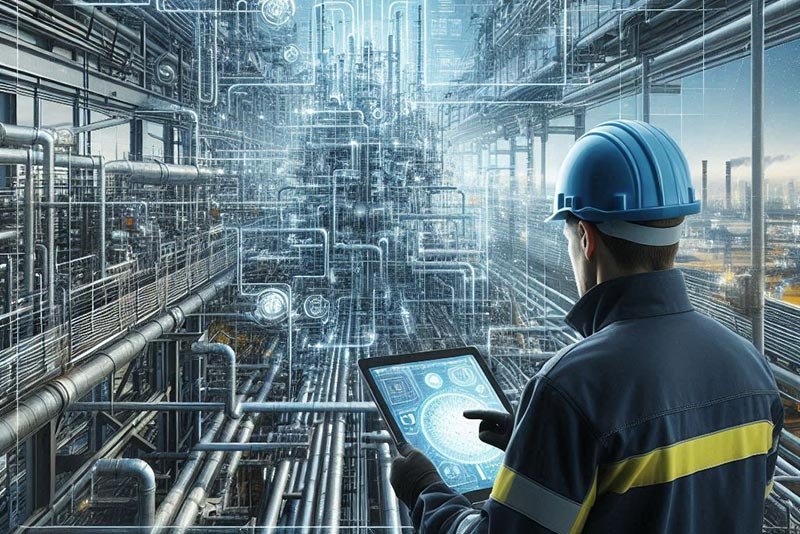
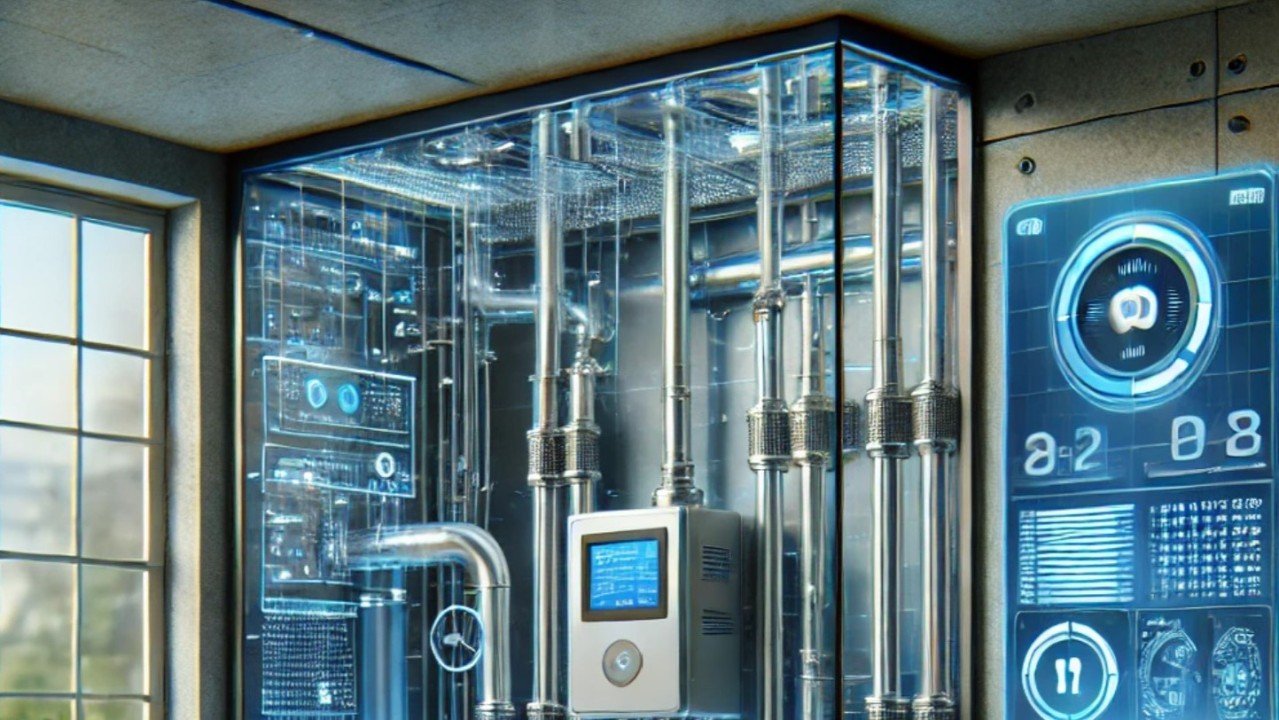
At its core, home automation for plumbing involves the use of technology to control and monitor plumbing systems remotely. This includes everything from adjusting water temperature to detecting leaks, all through a smartphone or a dedicated control panel. The integration of IoT (Internet of Things) devices plays a crucial role in making this a reality.
The Role of IoT in Plumbing
IoT devices are the backbone of home automation for plumbing. These smart devices connect to the internet, allowing them to communicate with each other and with users. For instance, smart water meters can provide real-time data on water usage, helping homeowners to identify patterns and potential issues.
Benefits of Home Automation for Plumbing
Water Conservation
One of the most significant advantages is water conservation. Automated systems can detect leaks early and shut off water to prevent waste. Additionally, smart irrigation systems can adjust watering schedules based on weather forecasts, ensuring that water is used efficiently.
For more insights on smart water scheduling, visit our comprehensive guide.
Cost Savings
By reducing water wastage, homeowners can significantly cut down on their water bills. Moreover, automated systems often lead to lower maintenance costs as they can predict and address potential issues before they become major problems.
Enhanced Control and Convenience
With home automation for plumbing, users can control their plumbing systems from anywhere in the world. This means you can turn off your water supply if you forgot to do so before leaving for vacation, or adjust your water heater settings on the go.
How to Implement Home Automation for Plumbing
Choosing the Right Devices
Selecting the appropriate devices is crucial. From smart faucets to automated toilets, the range of products available is vast. Ensure that the devices are compatible with your existing systems and meet your specific needs.
Professional Installation
While some devices can be installed by the homeowner, it is often advisable to seek professional help. Expert installation ensures that the system functions correctly and efficiently, reducing the risk of future issues.
Explore our guide on how to integrate AI plumbing with Alexa for seamless home automation.
Challenges in Home Automation for Plumbing
Security Concerns
As with any connected device, security is a concern. It is essential to use devices with robust security features to protect against unauthorized access and data breaches.
Cost of Implementation
While the long-term savings are significant, the initial cost of setting up a home automation system can be high. It is important to weigh the benefits against the costs to make an informed decision.
The Future of Home Automation in Plumbing
The future of home automation for plumbing looks promising. As technology advances, we can expect more sophisticated systems that offer even greater control and efficiency. The integration of AI and machine learning will further enhance the capabilities of these systems.
For a broader perspective on AI in plumbing, check out this external resource.
Conclusion
In conclusion, home automation for plumbing is transforming the way we manage our home systems. By offering enhanced control, significant savings, and improved sustainability, it is a worthwhile investment for any homeowner. As the technology continues to evolve, the possibilities are endless, promising an even more efficient future for our homes.
FAQs
1. What is home automation for plumbing?
Home automation for plumbing involves using technology to control and monitor plumbing systems remotely, enhancing efficiency and convenience.
2. How does home automation help in water conservation?
Automated systems can detect leaks, adjust irrigation schedules based on weather, and provide real-time data on water usage to help conserve water.
3. Is it expensive to implement home automation for plumbing?
While the initial setup costs can be high, the long-term savings in water bills and maintenance make it a cost-effective solution over time.
This article contains affiliate links. We may earn a commission at no extra cost to you.