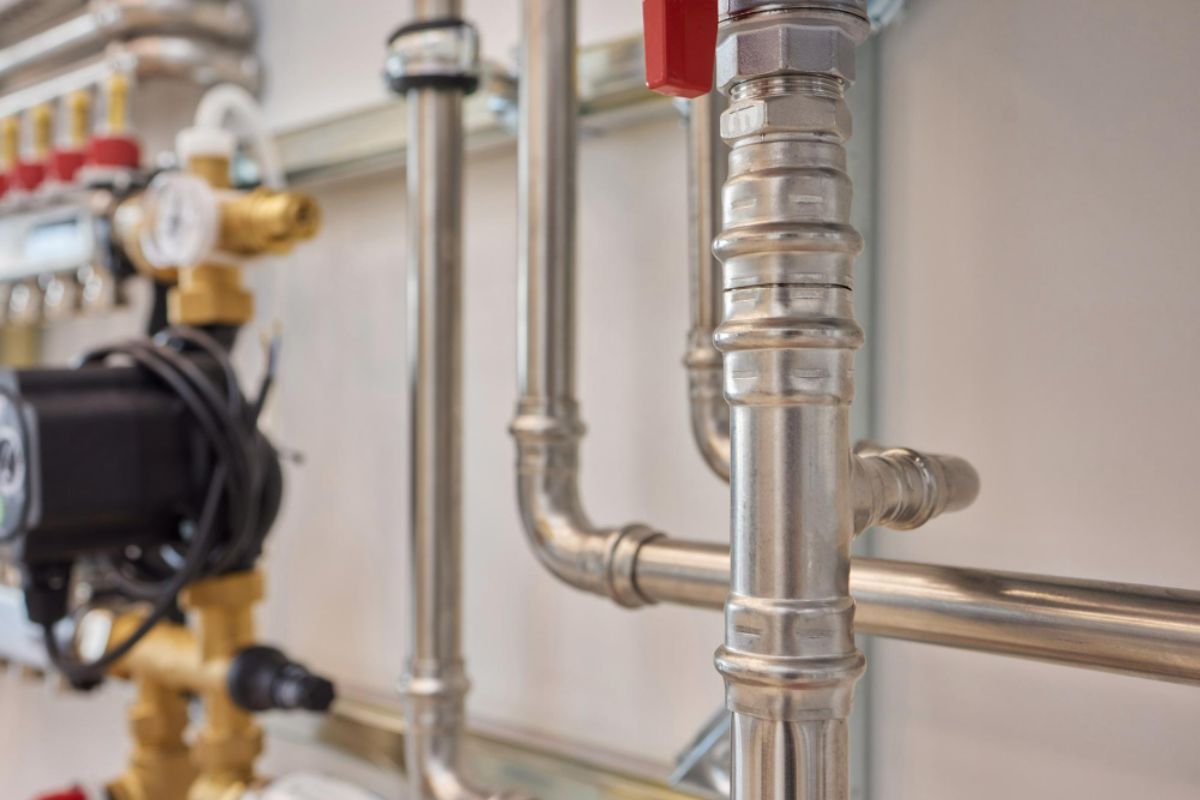

Edge computing valve systems are transforming the landscape of industrial engineering. By bringing computational power closer to the operational locationwhether it’s a factory, a power plant, or an oil fieldthese systems offer unparalleled efficiency and speed. This article delves deep into the many facets of these innovative systems, highlighting their transformative impact on industrial processes. Recognizing their relevance, especially to industrial engineers, can be a game-changer in the quest for optimal operations.
Edge computing has been a buzzword in tech circles for some years, focusing particularly on how it optimizes decision-making by processing data locally. In the realm of valve systemscrucial components in various industriesintegrating edge computing promises even greater advancements. Essentially, the edge computing valve system brings the best of computational technology directly to the mission-critical hardware.

What is an Edge Computing Valve System?
Traditionally, valves have been a part of large-scale operations, controlling fluid flow with precision. However, the innovation lies in embedding computing capabilities into these valves. This is where edge computing valve systems step in. Instead of the data being processed by a central, potentially distant location, it is managed at the ‘edge’right at the source of creation. This makes operations quicker, smarter, and less prone to errors.
The Role of IoT in Modern Valve Systems
The Internet of Things (IoT) plays an integral role in these systems, linking physical devices like valves to the digital sphere. The intersection of IoT with valve technology allows for real-time data analysis, predictive maintenance, and immediate response to dynamic conditions. For further insights on how IoT integrates with valve systems, check this source.
Advantages of Integrating Edge Computing with Valve Systems
These systems bring forth numerous advantages. To begin with, reduced latency boosts response times. It also allows for enhanced scalability, permitting additional devices to be easily integrated without overloading a centralized system. Consider the built-in adaptabilityshould a situation arise requiring immediate data processing or intervention at a valve, the system is equipped to handle it locally.
Improved Decision-Making Processes
When data analysis is carried out at the edge, decisions are made faster. The time-sensitive nature of industrial settings, such as refineries or water treatment plants, can greatly benefit from this rapid decision-making capability, enhancing overall efficiency and safety.
Challenges in Implementing Edge Computing Valve Systems
Despite the clear advantages, implementation poses some hurdles. The initial setup cost can be significant, especially for establishments that aren’t tech-ready. It also requires re-training personnel to handle advanced systems effectively.
Need for Continuous Monitoring and Maintenance
Another challenge lies in the need for continuous maintenance. As these systems operate with high sensitivity and precision, they must be regularly monitored and updated. The lack of skilled personnel trained in both valve systems and edge computing may also present a barrier.
Industry Applications: Leading the Way to Innovation
The sectors where edge computing valve systems are utilized range from the oil and gas industry to water management systems. Their ability to adapt and respond quickly makes them suitable for sectors where conditions change unpredictably. For example, in industrial sensor systems, this adaptation is critical.
Role in Oil and Gas Industry
In the oil and gas sector, these valve systems help in monitoring and controlling pipelines more effectively, preventing leaks, and optimizing flow rates. By processing data in real-time at the pipeline location, operational efficiency is significantly boosted.
Future Prospects of Edge Computing Valve Systems
There is no denying the significant role these systems will play in future industrial processes. As technology evolves, so too will its applications, potentially branching into new fields we have yet to imagine.
Paving the Path for Smart Industry
The increasing demand for smart technology integration in industries forecasts a continued evolution of these valve systems. As more businesses recognize the potential benefits of edge computing, the drive for innovation will only intensify, fostering a more robust industrial ecosystem.
Conclusion: The Edge Computing Valve System’s Role in Modern Industry
In summary, edge computing valve systems are set to revolutionize various industrial operations. From enhanced efficiency and decision-making ease to flexible scalability, these systems hold the key to future industrial advancements.
Industrial engineers, in particular, stand to gain significantly by adopting these systems, positioning themselves at the forefront of technological innovation in industrial processes. More information about this can be explored at valve control systems.

FAQs on Edge Computing Valve Systems
What makes edge computing valve systems stand out in industrial settings?
Their ability to process data locally significantly reduces latency and improves decision-making processes, making them ideal for rapidly changing industrial environments.
Do edge computing valve systems require significant investment?
While initial investment costs may be high, the long-term benefits of improved efficiency and scalability often justify the expenditure, particularly in data-heavy industries.
How do edge computing and IoT intersect in valve systems?
Edge computing and IoT together make valve systems smarter by enabling real-time data collection and analysis, leading to informed, timely decision-making.
This article contains affiliate links. We may earn a commission at no extra cost to you.