The persistent dripping noise in the bathroom is a common issue that can disrupt the tranquility of your home. This sound is not just an annoyance; it can also indicate underlying issues that need immediate attention. Whether it’s the faucet, showerhead, or the pipes themselves, understanding the cause of the dripping noise is crucial for both homeowners and industrial engineers.
Addressing this issue promptly can save you from costly repairs and water wastage. In this article, we will explore the various causes of a dripping noise in the bathroom and provide actionable solutions to restore peace and functionality to your space.
Common Causes of Dripping Noises
1. Leaky Faucets
One of the most common sources of a dripping noise in the bathroom is a leaky faucet. Over time, the washers and seals within the faucet can wear out, leading to water leakage. This is often accompanied by a consistent dripping sound, which can be both annoying and wasteful.
2. Showerhead Drips
Another common culprit for dripping noises is the showerhead. Mineral deposits can build up, causing the showerhead to drip. This not only causes noise but also affects the water pressure and efficiency of your shower.
3. Pipe Issues
Sometimes, the problem lies within the pipes themselves. Corrosion, loose fittings, or cracks can lead to water leakage, resulting in a dripping noise. Identifying such issues requires a thorough inspection by a professional plumber.
4. Toilet Tank Leaks
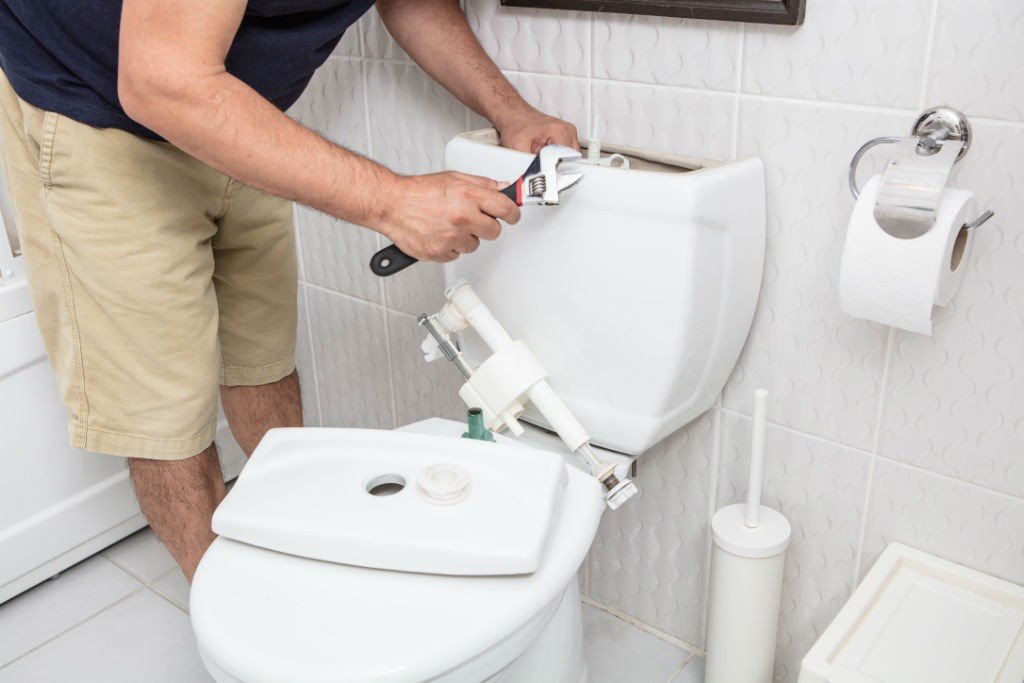
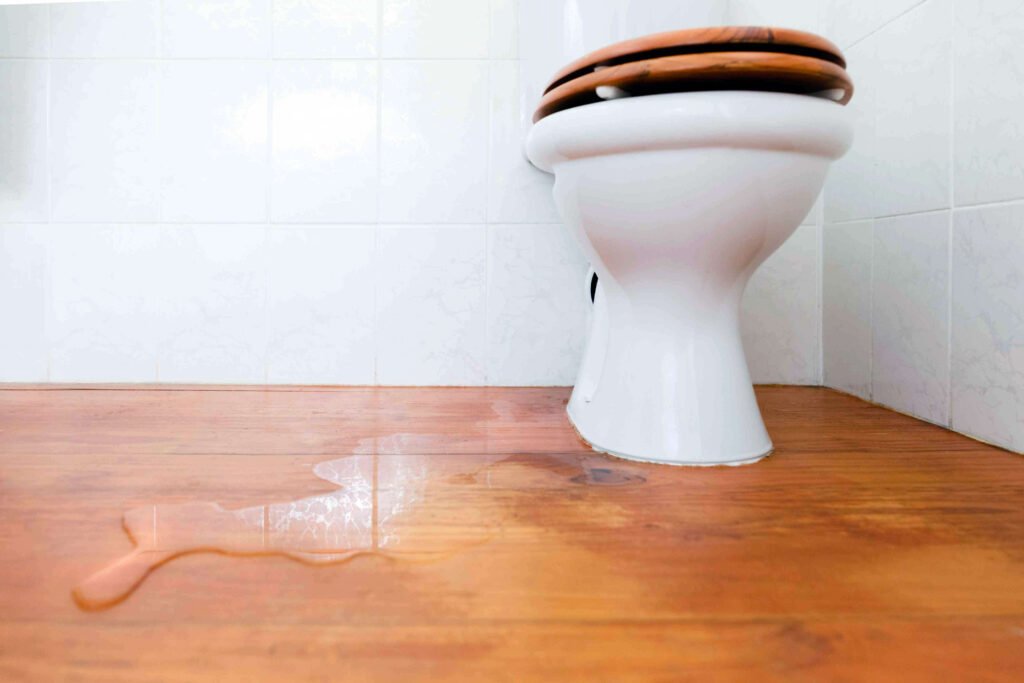
A less obvious source of dripping noise can be the toilet tank. A faulty flapper or a damaged fill valve can cause water to continuously leak into the toilet bowl, creating a persistent dripping sound.
Solutions to Stop the Dripping Noise
1. Fixing Leaky Faucets
To fix a leaky faucet, first, turn off the water supply. Remove the faucet handle and replace the worn-out washer or seal. Reassemble the faucet and turn the water supply back on to check for leaks. For detailed guidance, you can visit sink leak fix.
2. Cleaning the Showerhead
To address a dripping showerhead, remove it and soak it in a vinegar solution to dissolve mineral deposits. Clean the nozzles with a brush and reinstall the showerhead. This should improve water flow and eliminate the dripping noise.
3. Inspecting and Repairing Pipes
If you suspect pipe issues, it’s best to contact a professional plumber. They can perform a thorough inspection and repair any damaged or corroded pipes. For more preventive measures, consider reading about bathroom waterproofing.
4. Fixing Toilet Tank Leaks
To fix a leaking toilet tank, check the flapper for any signs of wear and replace it if necessary. Also, inspect the fill valve and make adjustments or replace it if its faulty. This can help stop the water from continuously leaking into the bowl.
Preventive Measures
1. Regular Maintenance
Regularly inspect your bathroom fixtures for any signs of wear or damage. Early detection can prevent more severe issues and save you from costly repairs.
2. Invest in Quality Fixtures
Investing in high-quality fixtures with durable materials can reduce the likelihood of leaks and prolong the lifespan of your bathroom components.
3. Water Conservation Practices
Practicing water conservation can help reduce the strain on your bathroom fixtures. Simple steps like turning off the tap while brushing your teeth can make a significant difference.
Impact of Ignoring Dripping Noises
Ignoring the dripping noise in the bathroom can lead to increased water bills, structural damage, and potential mold growth. It is crucial to address these issues promptly to maintain a safe and efficient home environment.
For more information on detecting bathroom leaks, you can check out an external resource from Leak Science.
Conclusion
The dripping noise in the bathroom is more than just a nuisance; it is a sign that something needs attention. By understanding the causes and implementing the solutions outlined in this article, you can restore peace to your bathroom and ensure the longevity of your plumbing system.
FAQs
1. Why is my bathroom faucet dripping even after turning it off?
This is often due to a worn-out washer or seal within the faucet. Replacing these components should resolve the issue.
2. Can a dripping showerhead be fixed without professional help?
Yes, in most cases, cleaning the showerhead and checking for blockages can fix the issue. However, if the problem persists, it may require professional intervention.
3. What should I do if I suspect a leak behind the bathroom wall?
If you suspect a leak behind the wall, it’s essential to contact a professional plumber immediately. For more guidance, you can read about leak behind wall.
This article contains affiliate links. We may earn a commission at no extra cost to you.