In the world of industrial engineering, ensuring the safety and efficiency of systems is paramount. One critical component in these systems is the relief valve. Proper documentation for relief valve testing is not only a regulatory requirement but also a best practice for maintaining system integrity. This article delves into the nuances of relief valve testing and why meticulous documentation is crucial.
What is a Relief Valve?
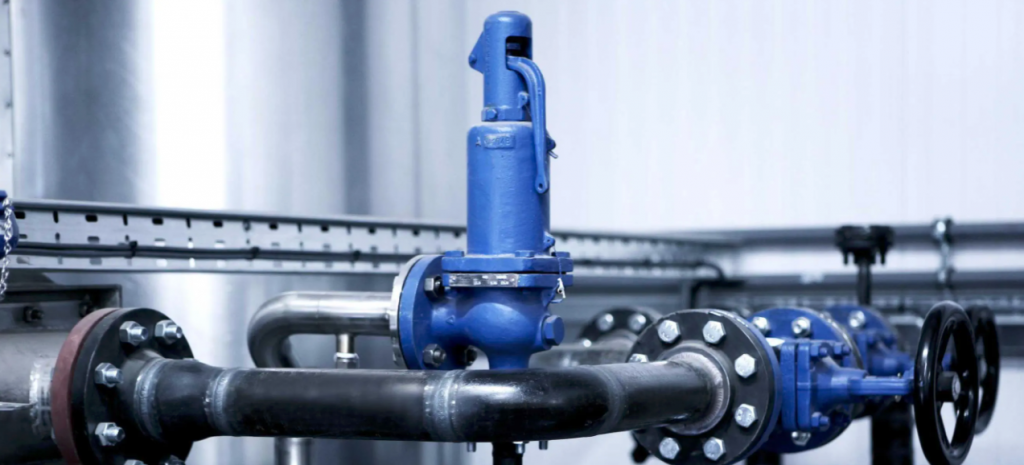
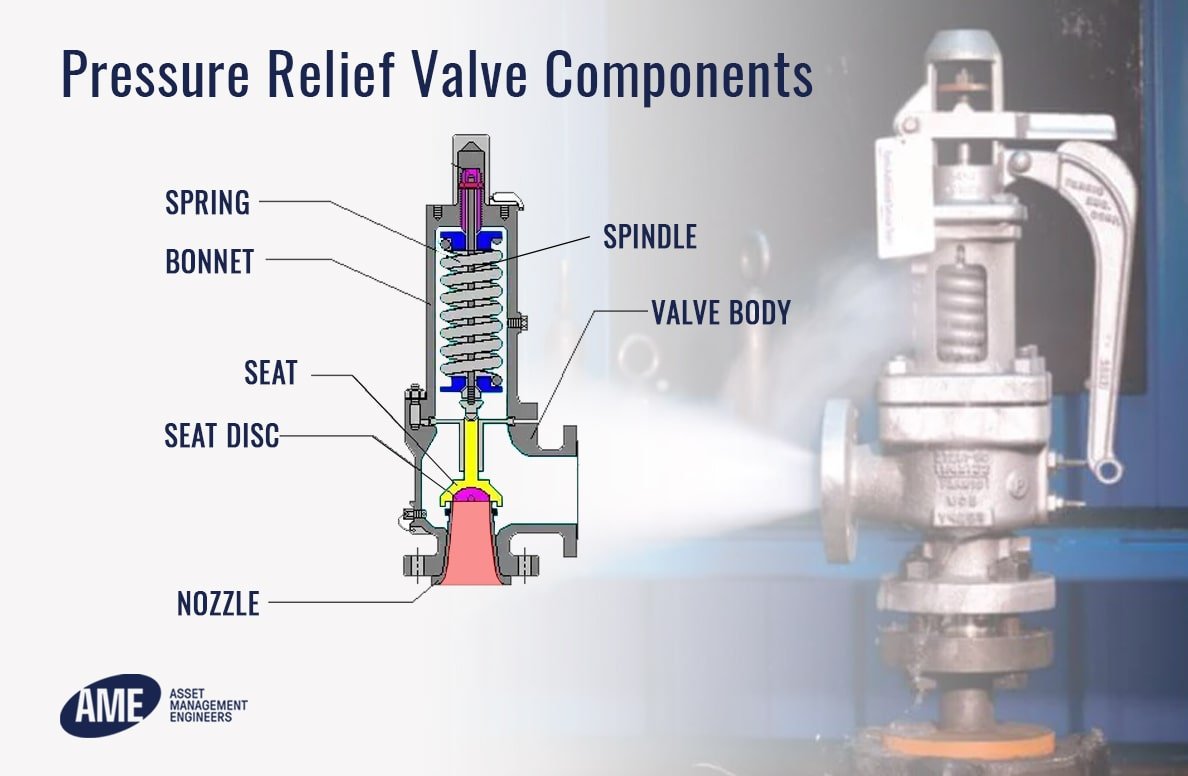
A relief valve is a safety device designed to control or limit the pressure in a system. If the pressure exceeds a predetermined limit, the relief valve opens to allow excess pressure to escape, thus preventing potential hazards. Understanding how a relief valve functions is foundational to appreciating the importance of testing.
Importance of Relief Valve Testing
Testing ensures that relief valves function correctly when needed. Regular testing identifies wear and tear, potential malfunctions, and ensures compliance with industry standards. The primary goal is safety, but testing also prolongs the life of the valve and optimizes system performance.
Why Documentation is Crucial
Documentation for relief valve testing serves several purposes. It provides a historical record of maintenance and inspections, ensuring compliance with safety regulations. Additionally, documentation helps in troubleshooting and improving future testing protocols. It is an essential tool for both operators and regulators.
Key Elements of Documentation
Effective relief valve testing documentation should include specific details such as valve identification, test dates, test results, and technician signatures. Including these elements ensures clarity and accountability.
Valve Identification
The documentation should start with the identification of the relief valve. This includes the manufacturer, model number, and serial number. Clear identification ensures that the correct valve is being tested and documented.
Test Dates
Recording test dates is crucial for tracking maintenance schedules and regulatory compliance. It also helps in planning future tests and identifying patterns in valve performance.
Test Results and Observations
The results of the test, including any observations or anomalies, should be documented in detail. This includes the opening pressure, closing pressure, and any discrepancies noted during testing.
Common Challenges in Relief Valve Testing
While testing is essential, it is not without challenges. Issues such as accessibility, environmental conditions, and system downtime can complicate the testing process. Understanding these challenges can help in developing more effective testing strategies.
Accessibility Issues
In some cases, relief valves are located in hard-to-reach areas, which can make testing difficult. Proper planning and design can mitigate these accessibility issues. Learn more about PRV accessibility.
Impact of System Conditions
Environmental conditions such as temperature and pressure can affect test results. It is important to consider these factors during testing to ensure accurate results. For further understanding, check the impact of system backpressure.
Best Practices for Testing and Documentation
Adopting best practices can enhance the effectiveness of relief valve testing and documentation. These practices include regular training, using standardized forms, and employing qualified personnel for testing.
Regular Training
Ensuring that personnel are trained in the latest testing techniques and safety standards is crucial. Regular training keeps staff updated and minimizes human error.
Standardized Forms
Using standardized forms for documentation helps maintain consistency and reliability in records. It also simplifies the auditing process.
The Future of Relief Valve Testing
With advancements in technology, the future of relief valve testing looks promising. Automated testing systems and digital documentation are set to revolutionize the industry, making the process more efficient and reliable.
Automation in Testing
Automation reduces human error and increases the precision of tests. Automated systems can perform tests at regular intervals with minimal human intervention.
Digital Documentation
Digital documentation allows for easy access, storage, and analysis of test records. It also facilitates seamless integration with other industrial management systems.
Conclusion
In conclusion, documentation for relief valve testing is an integral part of industrial safety and efficiency. By understanding the importance of testing and adopting best practices, industries can ensure the safe and optimal performance of their systems.
FAQs
What is the primary purpose of a relief valve?
The primary purpose of a relief valve is to prevent excessive pressure buildup in a system, thereby ensuring safety.
How often should relief valve testing be conducted?
The frequency of testing depends on industry standards and regulatory requirements. However, regular testing, at least annually, is recommended.
What should be included in relief valve testing documentation?
Documentation should include valve identification, test dates, results, and technician signatures to ensure clarity and compliance.
This article contains affiliate links. We may earn a commission at no extra cost to you.