In the realm of industrial engineering, ensuring the safety and efficiency of pressure systems is paramount. One of the critical components in this domain is the pressure relief header. When designing pressure relief headers, engineers must consider a multitude of factors to ensure the system operates safely under all conditions. The primary keyword, designing pressure relief headers, is integral to understanding the intricacies involved in safeguarding pressure systems.
Understanding Pressure Relief Headers
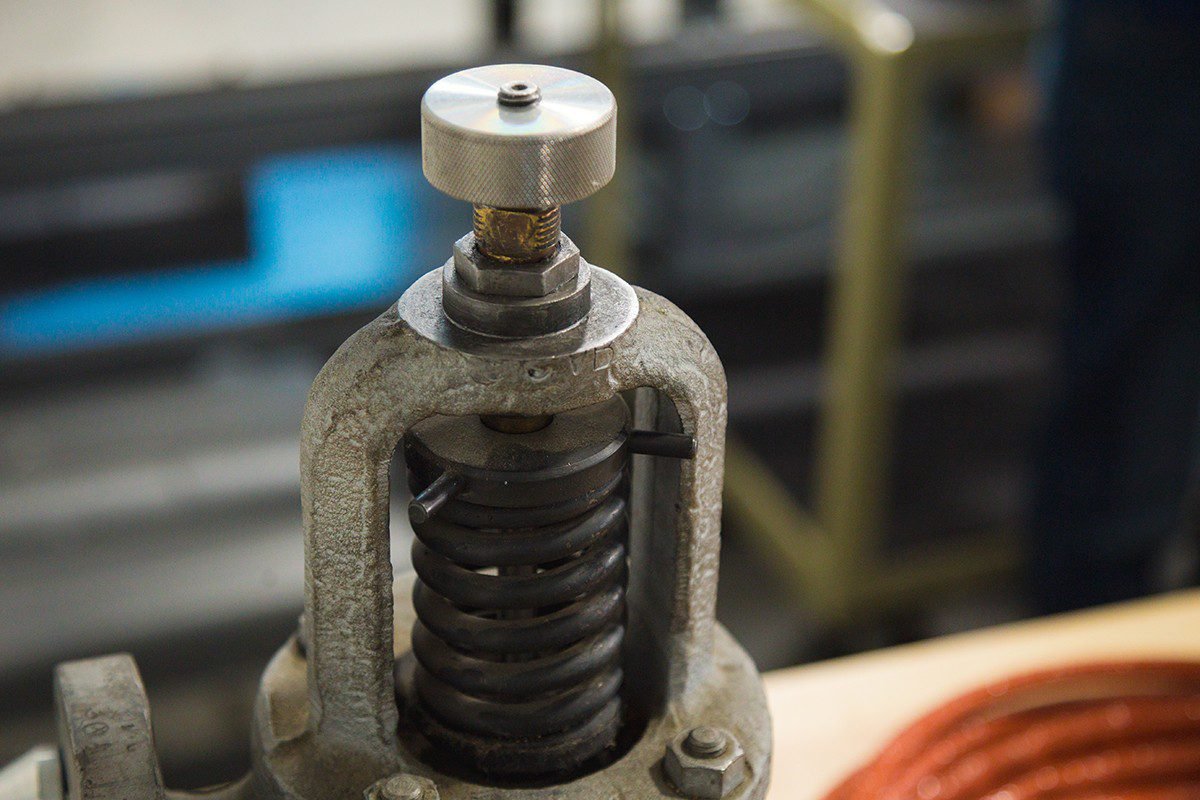
Pressure relief headers are essential for directing the discharge of excess pressure from various safety valves into a common collection point. This system ensures that pressure is safely vented, preventing potential overpressure scenarios that could lead to equipment failure or catastrophic accidents. The impact of system backpressure on PRVs is a critical consideration during the design phase.
Components of a Pressure Relief System
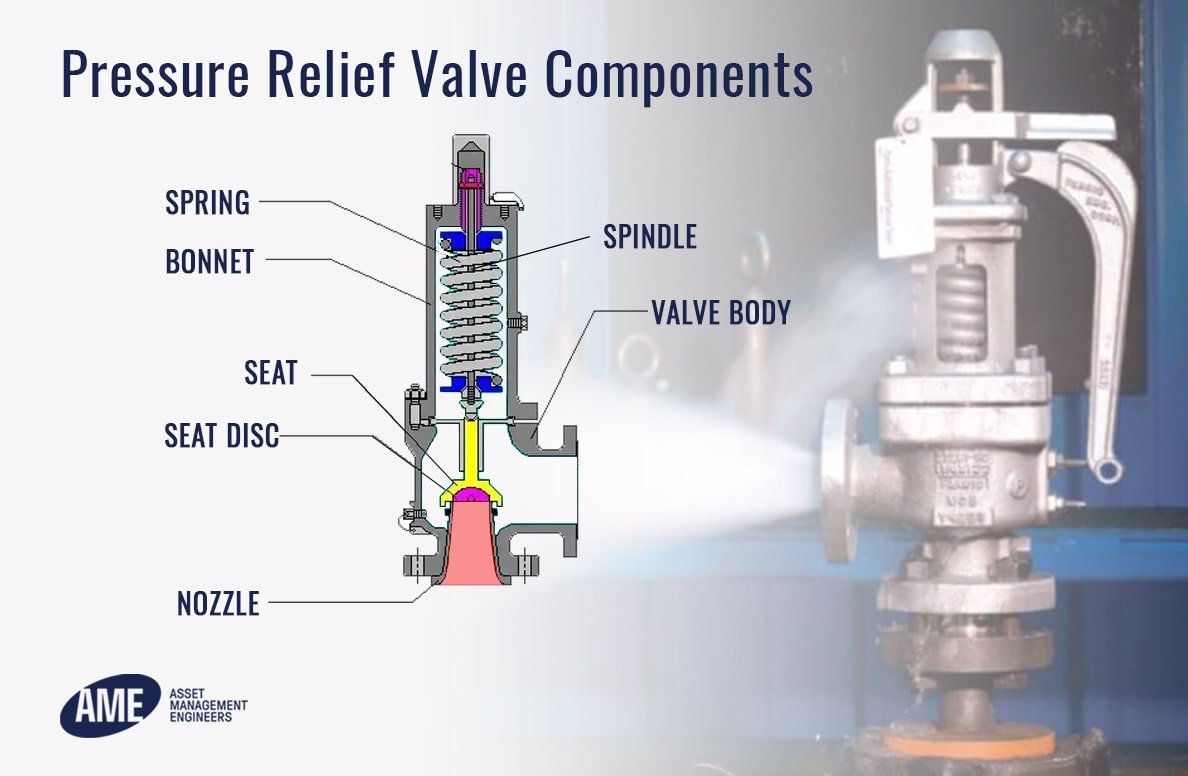
A typical pressure relief system comprises several key components, each playing a vital role in maintaining system integrity. These include:
- Safety Valves: Devices designed to open at a preset pressure to relieve excess pressure.
- Relief Headers: Piping systems that transport discharged fluids to a safe location.
- Discharge Points: Areas where excess pressure is safely vented into the atmosphere or a containment system.
Proper installation and orientation of PRVs are crucial to the systems effectiveness.
Key Considerations in Designing Pressure Relief Headers
System Pressure and Temperature
When designing pressure relief headers, the systems pressure and temperature are crucial parameters. Engineers must ensure that the headers can withstand the maximum expected conditions to prevent material failure. The choice of materials for the headers must align with the operational environment, considering factors like corrosion, thermal expansion, and mechanical strength.
Flow Dynamics
The flow dynamics within the pressure relief headers are another vital aspect. Engineers must calculate the expected flow rates and ensure the headers are appropriately sized to handle these flows without causing excessive backpressure. Understanding the pulsation in pressure relief valves can aid in optimizing flow dynamics.
Backpressure Management
Managing backpressure is a critical element in the design process. Excessive backpressure can impair the functioning of relief valves, leading to potential safety hazards. Engineers must design the headers to minimize backpressure, ensuring reliable operation of the safety valves.
Regulatory Compliance
Compliance with industry standards and regulations is non-negotiable when designing pressure relief headers. These regulations ensure that the systems are designed and maintained to protect both personnel and equipment from the dangers of overpressure. Consulting national and international safety standards is a crucial step in the design process.
Challenges in Designing Effective Pressure Relief Headers
Complex System Integration
Integrating pressure relief headers into complex systems can be challenging. Engineers must account for the interaction between various components, ensuring that the headers do not interfere with other system operations. This requires a holistic approach to system design, considering both mechanical and operational aspects.
Material Selection
Selecting the appropriate materials for the headers is vital to ensure longevity and reliability. Engineers must balance cost with performance, choosing materials that can withstand the operational stresses without compromising the systems integrity.
Maintenance and Inspection
Regular maintenance and inspection are essential to ensure the continued safe operation of pressure relief headers. Engineers must design systems that facilitate easy access for inspection and maintenance activities, reducing downtime and ensuring system reliability.
Innovations in Pressure Relief Header Design
Advanced Materials
The development of advanced materials has significantly impacted the design of pressure relief headers. These materials offer improved resistance to corrosion, wear, and thermal stress, enhancing the durability and performance of the systems.
Computational Fluid Dynamics (CFD)
Computational Fluid Dynamics (CFD) has become a valuable tool in the design process. By simulating the flow dynamics within the headers, engineers can optimize the design to improve efficiency and reduce backpressure. This leads to safer and more reliable systems.
Conclusion
Designing pressure relief headers is a complex yet critical task in ensuring the safety of industrial systems. By considering factors such as flow dynamics, material selection, and regulatory compliance, engineers can design systems that effectively manage pressure and protect both personnel and equipment. Innovations in materials and computational tools continue to enhance the design process, leading to safer and more efficient systems. For more detailed insights, you can visit Spirax Sarco.
FAQs
What is the purpose of a pressure relief header?
A pressure relief header collects and directs the discharge from safety valves to a safe location, preventing overpressure in a system.
Why is backpressure management important in pressure relief systems?
Managing backpressure is crucial to ensure the proper functioning of relief valves. Excessive backpressure can lead to valve malfunction, posing safety risks.
How do computational tools aid in designing pressure relief headers?
Computational tools like CFD help simulate flow dynamics, allowing engineers to optimize the design for improved efficiency and reduced backpressure.
This article contains affiliate links. We may earn a commission at no extra cost to you.