In a world where technology is rapidly evolving, the idea of a smart home is no longer a distant dream but a present reality. With the advent of IoT (Internet of Things), even the most basic home systems can now be transformed into smart systems. One of the most promising fields in this area is smart plumbing. But what does it mean to connect plumbing to a smart home, and why should you consider it?

The Rise of Smart Plumbing Systems
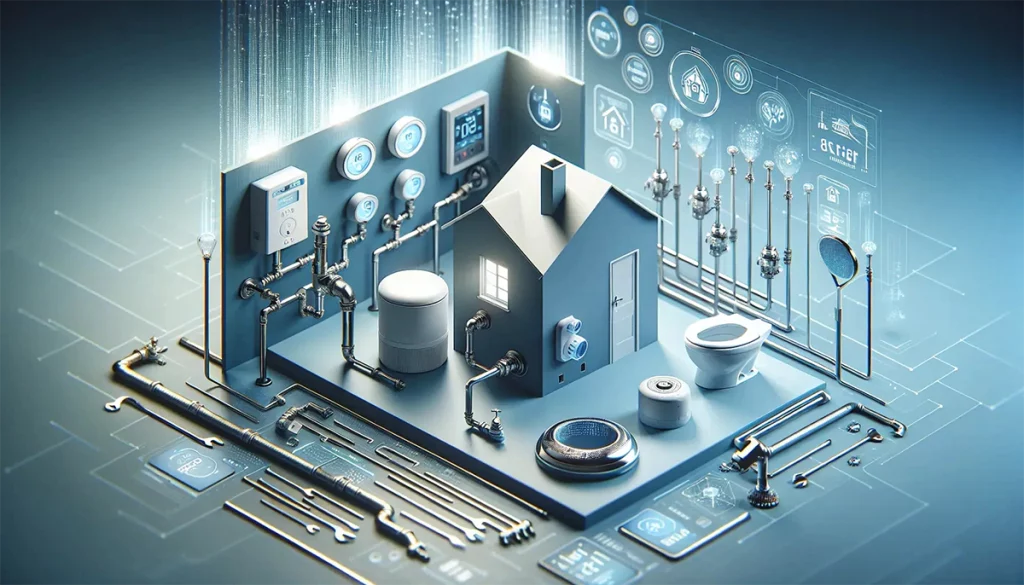
Smart plumbing systems integrate traditional plumbing fixtures with advanced technology, allowing homeowners to monitor and control water usage efficiently. This integration can lead to significant benefits, including water conservation, cost savings, and increased convenience.
Why Consider Smart Plumbing?
There are several compelling reasons to consider smart plumbing systems. Firstly, they offer water conservation. By providing real-time data on water usage, homeowners can make informed decisions about their consumption patterns. Secondly, these systems can lead to substantial cost savings by detecting leaks early and reducing water wastage. Lastly, the convenience of controlling your plumbing system remotely via a smartphone or voice commands is unparalleled.
Understanding the Technology
Smart plumbing systems rely heavily on IoT devices and sensors. These components work together to provide real-time data on water flow, pressure, and temperature. This data is then transmitted to a central hub or smartphone app, where it can be monitored and managed.
Installation and Setup
Connecting plumbing to a smart home requires careful planning and execution. Homeowners should start by selecting compatible devices that suit their needs and budget. It’s essential to ensure that these devices can integrate seamlessly with existing home systems. For assistance, homeowners can refer to guides like AI Water Saving and Smart Water Scheduling.
Case Studies and Real-Life Examples
Many homeowners have already embraced smart plumbing. For instance, a family in California integrated sensors in their plumbing system, reducing their water bill by 30%. Another example is a hotel chain that used smart plumbing to monitor water usage in real-time, leading to substantial savings.
Challenges and Considerations
While smart plumbing offers numerous benefits, there are challenges to consider. Some homeowners may face compatibility issues with existing systems, while others may be concerned about the initial cost of installation. However, these challenges can be mitigated with proper planning and consultation with professionals.
The Future of Smart Plumbing
The future of smart plumbing is promising. As technology continues to advance, we can expect even more sophisticated systems that offer greater efficiency and integration. According to an article by MetaPress, the integration of AI into plumbing systems is on the horizon, promising further innovations.
FAQs
How much does it cost to install smart plumbing?
The cost varies depending on the complexity of the system and the devices chosen. However, the long-term savings on water bills often justify the initial investment.
Can smart plumbing detect leaks?
Yes, many smart plumbing systems come with leak detection features, alerting homeowners to potential issues before they become significant problems.
Is smart plumbing compatible with all home systems?
Most smart plumbing devices are designed to integrate with existing systems, but it’s essential to verify compatibility before installation.
This article contains affiliate links. We may earn a commission at no extra cost to you.