Pressure Relief Valves (PRVs) play a crucial role in maintaining safety and operational efficiency in various industrial systems. Conducting compliance audits for PRVs ensures that these safety devices function effectively, preventing potential hazards and costly downtime. But what exactly does a compliance audit entail, and why is it important?
Understanding Compliance Audits for PRVs
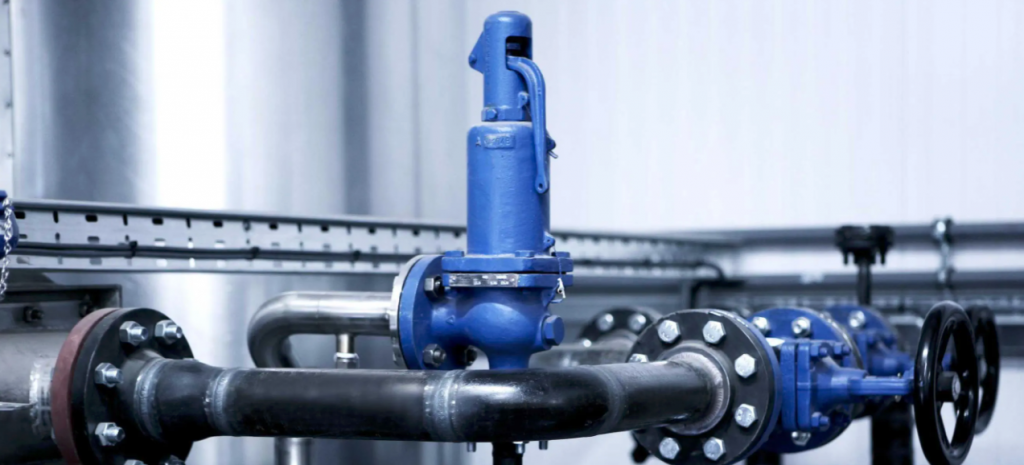
Compliance audits for PRVs are systematic evaluations designed to ensure that pressure relief valves meet industry standards and regulations. These audits assess the design, installation, and maintenance practices of PRVs, verifying that they operate within specified parameters. By identifying and addressing potential issues, audits help maintain the integrity of industrial systems.
Why Are Compliance Audits Important?
Compliance audits serve several critical functions. Firstly, they enhance safety by ensuring that PRVs function correctly, reducing the risk of overpressure incidents. Secondly, they help organizations comply with legal and regulatory requirements, avoiding fines and legal consequences. Lastly, audits can improve operational efficiency by identifying areas for improvement in PRV systems.
Enhancing Safety with PRVs
Ensuring that PRVs are compliant with industry standards is vital for maintaining a safe working environment. Overpressure incidents can lead to equipment damage, environmental harm, and even loss of life. Regular compliance audits help prevent such incidents by ensuring that PRVs are in optimal working condition.
Legal and Regulatory Compliance
Industrial facilities are subject to numerous regulations concerning the safety and operation of PRVs. Compliance audits verify that organizations adhere to these regulations, helping to avoid legal issues and fines. By staying compliant, companies demonstrate their commitment to safety and industry standards.
Improving Operational Efficiency
Compliance audits can also identify inefficiencies in PRV systems, such as improper PRV orientation or inadequate maintenance practices. Addressing these issues can enhance system performance, reduce downtime, and minimize maintenance costs.
Key Components of a Compliance Audit
To conduct an effective compliance audit for PRVs, several key components must be considered. These include reviewing design specifications, inspecting installation practices, and assessing maintenance records.
Design Specifications Review
An essential part of the audit process is reviewing the design specifications of PRVs. This involves ensuring that the valves are suitable for the system’s operational conditions, including pressure, temperature, and media type.
Installation Practices Inspection
Proper installation is crucial for the effective operation of PRVs. Auditors examine installation practices to ensure that valves are installed according to manufacturer guidelines and industry standards.
Maintenance Records Assessment
Regular maintenance is vital for the longevity and reliability of PRVs. Auditors assess maintenance records to verify that routine inspections and servicing are conducted, helping to prevent unexpected failures.
Steps in Conducting a Compliance Audit
Conducting a compliance audit involves several steps, each critical to ensuring a thorough evaluation. These steps include planning the audit, gathering data, conducting inspections, and reporting findings.
Planning the Audit
The first step in conducting a compliance audit is planning. This involves defining the scope of the audit, selecting audit team members, and scheduling audit activities.
Data Gathering
Data gathering is a crucial part of the audit process. Auditors collect information on PRV specifications, installation practices, and maintenance records to evaluate compliance with industry standards.
Conducting Inspections
During the inspection phase, auditors physically examine PRVs to assess their condition and verify compliance with design and installation requirements.
Reporting Findings
After completing inspections, auditors compile their findings into a comprehensive report. This report outlines areas of non-compliance and provides recommendations for corrective actions.
Common Challenges in Compliance Audits
Compliance audits for PRVs can present several challenges. These include keeping up with changes in regulations, identifying hidden issues, and managing audit costs.
Keeping Up with Regulatory Changes
Regulations concerning PRVs are continually evolving. Staying updated with these changes is essential for conducting accurate compliance audits.
Identifying Hidden Issues
Some issues, such as valve seat wear, may not be immediately apparent during inspections. Auditors must use specialized tools and techniques to identify these hidden problems.
Managing Audit Costs
Compliance audits can be costly, especially for large facilities with numerous PRVs. Organizations must balance the cost of audits with the benefits of ensuring compliance.
Benefits of Regular Compliance Audits
Despite the challenges, regular compliance audits offer numerous benefits. These include improved safety, enhanced system reliability, and increased confidence in PRV performance.
Improved Safety
Regular audits help maintain high safety standards by ensuring that PRVs function correctly, reducing the risk of accidents and equipment damage.
Enhanced System Reliability
By identifying and addressing potential issues, audits enhance the reliability of PRV systems, minimizing unexpected failures and downtime.
Increased Confidence
Regular audits provide organizations with confidence in the performance of their PRVs, knowing that they comply with industry standards and regulations.
Conclusion
Compliance audits for PRVs are a vital component of maintaining safety and efficiency in industrial systems. By ensuring that PRVs adhere to industry standards, organizations can prevent accidents, comply with regulations, and optimize system performance. Regular audits not only enhance safety but also improve operational efficiency, providing significant benefits for industrial facilities.
FAQ Section
What is the purpose of a compliance audit for PRVs?
A compliance audit for PRVs ensures that pressure relief valves meet industry standards and function correctly, enhancing safety and operational efficiency.
How often should compliance audits be conducted?
The frequency of compliance audits depends on industry regulations and the specific requirements of the facility. Regular audits, typically annually, are recommended to ensure ongoing compliance.
What are the challenges of conducting compliance audits?
Challenges include keeping up with regulatory changes, identifying hidden issues, and managing audit costs. Addressing these challenges is crucial for effective audits.
This article contains affiliate links. We may earn a commission at no extra cost to you.