Pressure Relief Valves (PRVs) are crucial components in numerous industrial settings. They ensure that the pressure within a system does not exceed safe levels, by releasing excess pressure. Understanding common PRV set pressure ranges is essential for maintaining safety and efficiency in any engineering environment.
In this article, we’ll delve into the importance of PRV set pressure ranges, how they are determined, and what factors influence them. Whether you’re an experienced engineer or just starting out, this guide will provide valuable insights into PRV operations.
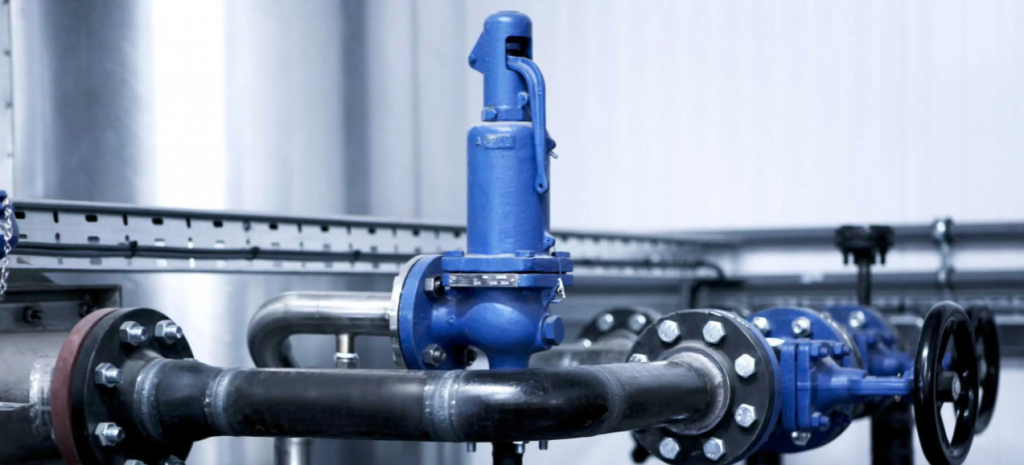
What Are Pressure Relief Valves?
Pressure Relief Valves, or PRVs, are devices designed to maintain the pressure in a system at a safe level. When the pressure exceeds a predetermined limit, the PRV opens to release the excess, thus preventing potential damage or catastrophic failure.
Importance of Set Pressure Ranges
The common PRV set pressure ranges are vital in ensuring that the valve opens at the right time to prevent pressure build-up. This setting is usually determined based on the maximum allowable working pressure (MAWP) of the system.
Factors Influencing PRV Set Pressure
Several factors influence the setting of PRV pressure ranges. These include the type of fluid being handled, the temperature of the system, and the specific industrial application. Engineers must carefully evaluate these factors to ensure optimal safety and performance.
For more information on the importance of valve pressure settings, you can visit our detailed guide.
Types of PRVs and Their Applications
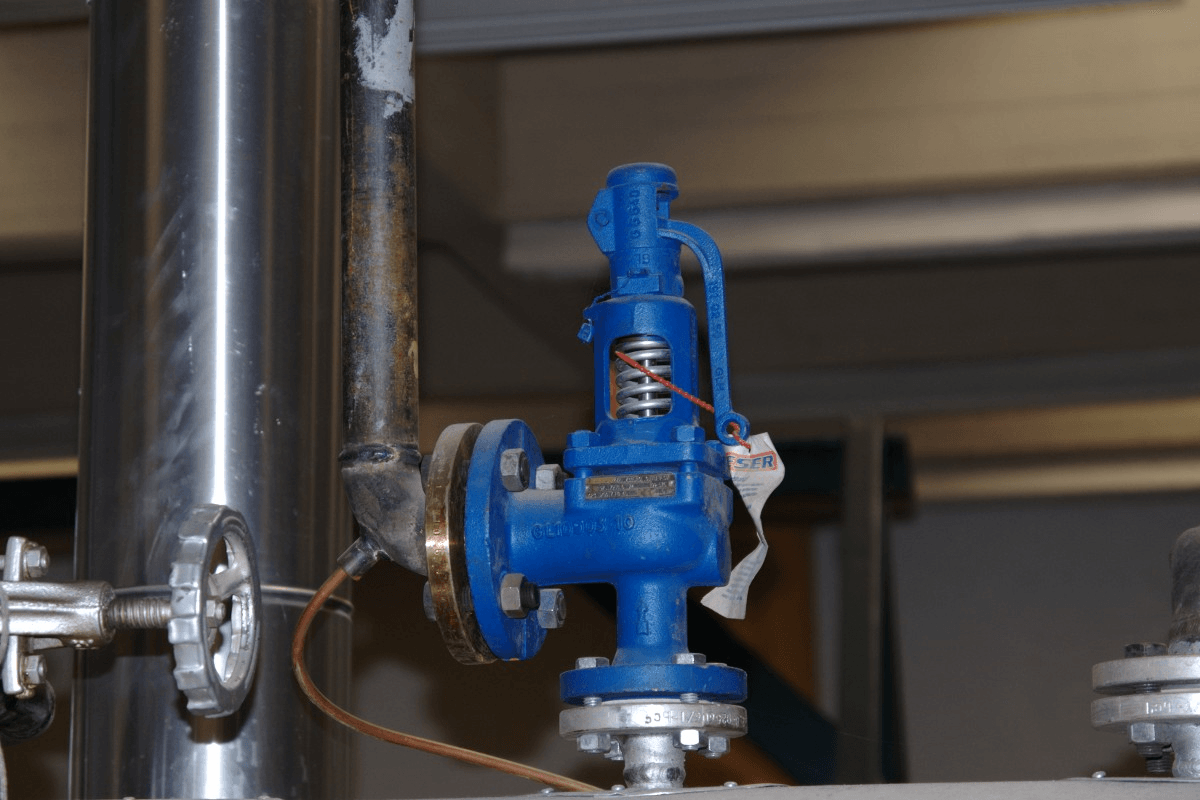
There are various types of PRVs, each designed for specific applications. Some common types include spring-loaded PRVs, pilot-operated PRVs, and balanced bellows PRVs. Each type has unique characteristics that make it suitable for different industrial processes.
Calculating PRV Set Pressure
The calculation of PRV set pressure involves understanding the system’s operational parameters. Engineers often use formulas and guidelines provided by standards organizations to determine the appropriate set pressure.
Role of Standards and Regulations
Standards and regulations play a crucial role in defining the common PRV set pressure ranges. Organizations such as the American Society of Mechanical Engineers (ASME) provide guidelines to ensure that PRVs are set correctly and function safely.
For industry-standard practices, you can check this resource.
Common Challenges and Solutions
One of the common challenges in setting PRV pressure ranges is dealing with pulsation and vibration. These factors can affect the accuracy of the set pressure and the valve’s operation. Engineers must implement solutions to minimize these issues.
Learn more about pulsation in pressure relief valves.
Ensuring Reliability and Safety
Regular maintenance and testing of PRVs are essential to ensure their reliability and safety. Engineers should follow best practices for inspection and replacement to maintain optimal performance.
For more details on PRV replacement procedures, visit our detailed guide.
Future Trends in PRV Technology
As technology advances, PRVs are becoming more sophisticated. Innovations such as smart valves and automated monitoring systems are enhancing the efficiency and safety of pressure relief systems.
Sustainability and Environmental Impact
Modern PRV systems are also focusing on sustainability. By reducing emissions and improving energy efficiency, these systems contribute to a cleaner and more sustainable industrial environment.
Conclusion
Understanding common PRV set pressure ranges is crucial for ensuring the safety and efficiency of industrial operations. By considering factors such as fluid type, system temperature, and regulatory standards, engineers can set appropriate pressure ranges that enhance safety and performance.
For a comprehensive understanding of PRVs and their applications, visit our guide on proper PRV orientation.
FAQs
What factors determine the set pressure of a PRV?
The set pressure of a PRV is determined by the maximum allowable working pressure (MAWP) of the system, the type of fluid, and the operating temperature.
How often should PRVs be tested?
PRVs should be tested regularly, at least once a year, to ensure they are functioning correctly and safely.
What are the consequences of incorrect PRV settings?
Incorrect PRV settings can lead to system overpressure, causing potential damage or catastrophic failure. Regular testing and maintenance are essential to prevent such issues.
This article contains affiliate links. We may earn a commission at no extra cost to you.