Choosing the right PRV for tanks is a critical decision that industrial engineers must make to ensure the safety and efficiency of their operations. A Pressure Relief Valve, or PRV, is a safety device designed to protect pressurized equipment and systems from overpressure conditions. This article will delve into the various factors you should consider when choosing PRV for tanks, providing insights that can help you make informed decisions.
Understanding the Importance of PRVs
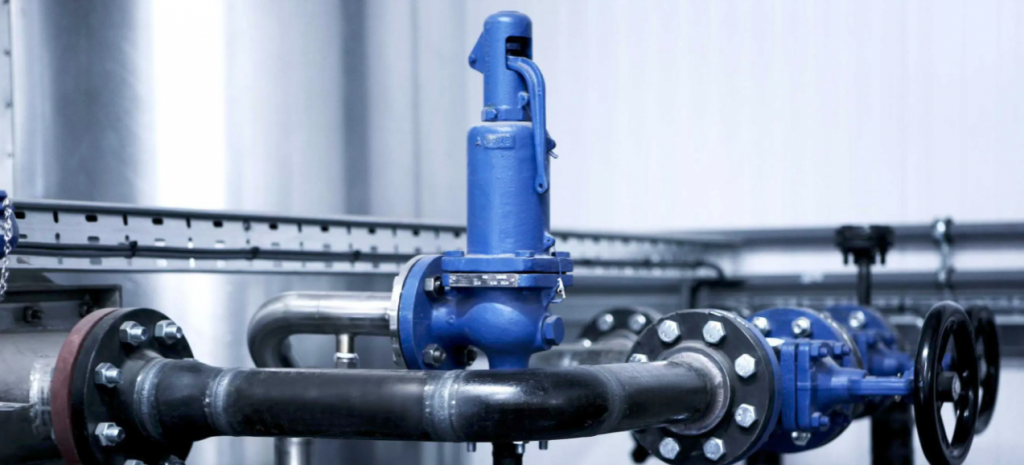
Pressure Relief Valves are essential components in many industrial systems. They serve as a last line of defense against overpressure, preventing potential equipment failure or catastrophic accidents. Without a properly functioning PRV, tanks can become dangerous. Hence, choosing the correct PRV is not just a matter of compliance, but a critical safety issue.
What is a PRV?
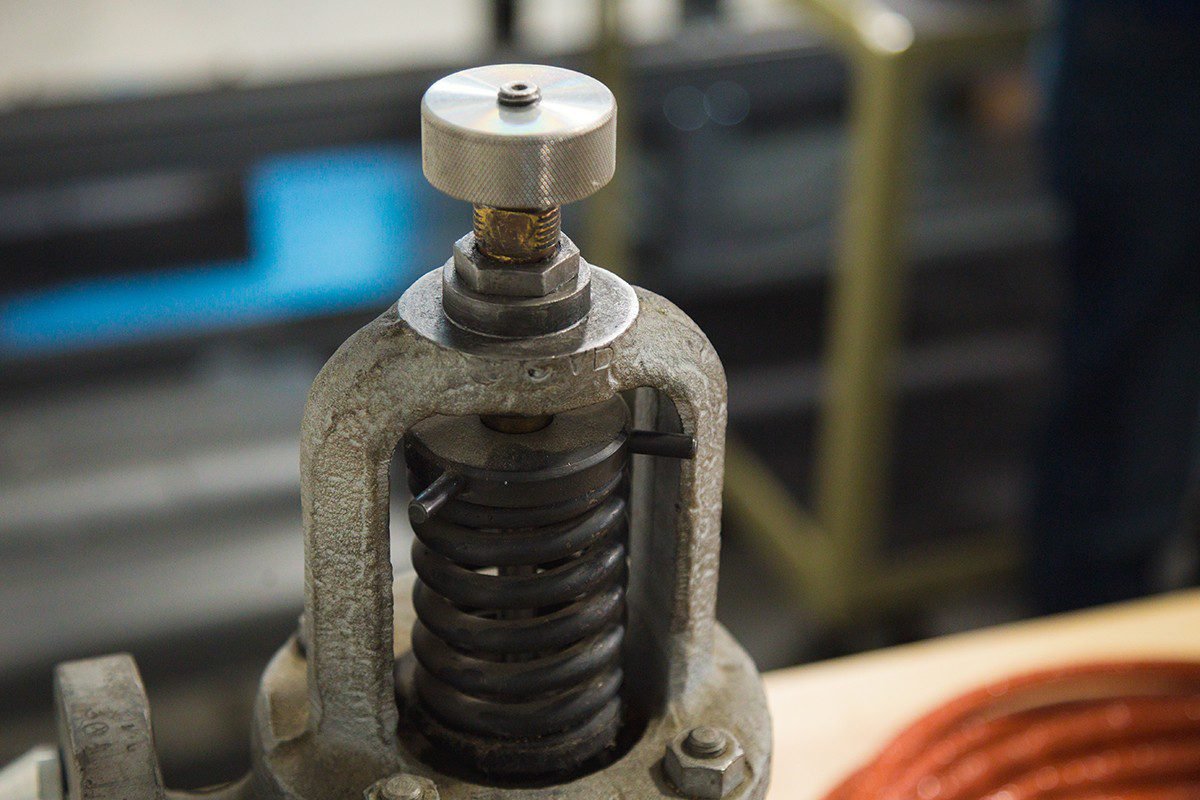
A Pressure Relief Valve (PRV) is a type of valve used to control or limit the pressure in a system. If the pressure exceeds the preset limit, the valve opens to release the excess pressure, thereby preventing possible damage. For a detailed understanding, you can refer to Wikipedia.
Why are PRVs Crucial for Tanks?
PRVs are crucial for tanks because they ensure that the pressure does not exceed safe levels. Tanks are often used to store gases or liquids under pressure, and any excessive pressure can lead to leaks or even explosions. Therefore, a well-chosen PRV can prevent accidents and ensure the safe operation of tanks.
Factors to Consider When Choosing PRV
Material Compatibility
The material of the PRV should be compatible with the fluid in the tank. This ensures that the valve does not corrode or degrade over time, which could compromise its functionality.
Size and Capacity
The size of the PRV is also a critical consideration. The valve must be appropriately sized to handle the maximum expected flow rate of the system. If the valve is too small, it may not be able to relieve pressure effectively.
Set Pressure
The set pressure is the pressure at which the PRV begins to open. It should be set below the maximum allowable working pressure (MAWP) of the tank to ensure safety.
Back Pressure
Understanding the impact of system backpressure on PRV performance is crucial. Back pressure can affect the opening and closing of the valve, so it must be accounted for when selecting a PRV.
Installation and Maintenance
Proper Orientation
Ensuring the proper orientation of the PRV during installation is vital for its effective functioning. Incorrect installation can lead to malfunction.
Regular Inspection and Testing
Regular inspection and testing of PRVs are necessary to ensure they are functioning correctly. This includes checking for valve seat wear and considering repair or replacement if necessary.
Common Issues
Common issues such as pulsation in pressure relief valves can affect their performance. It’s essential to address these issues promptly. For more, visit our page on valve pulsation.
Conclusion
Choosing the right PRV for tanks is a complex decision that involves several considerations. By understanding the factors discussed in this article, industrial engineers can ensure the safety and efficiency of their systems. For more detailed advice, consult with professionals or refer to industry-specific guidelines.
FAQs
What is the primary function of a PRV?
The primary function of a PRV is to release excess pressure from a system to prevent overpressure conditions.
How often should PRVs be tested?
PRVs should be tested regularly, at least once a year, to ensure they are functioning correctly.
Can PRVs be used for all types of tanks?
While PRVs are versatile, it is crucial to choose the right type and material for specific tank applications to ensure compatibility and safety.
This article contains affiliate links. We may earn a commission at no extra cost to you.