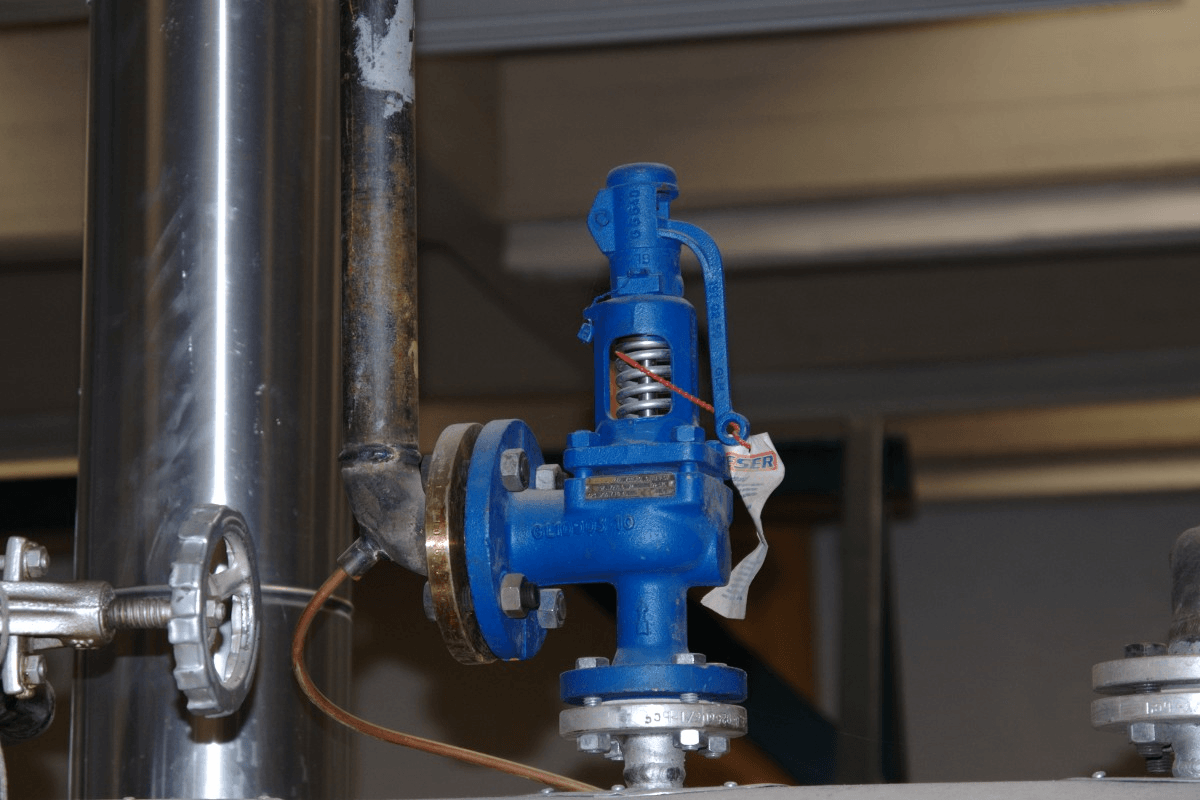

When it comes to choosing PRV for corrosive fluids, industrial engineers face a unique set of challenges. The process involves understanding the specific needs of the system and ensuring that the selected pressure relief valve (PRV) can withstand the harsh conditions posed by corrosive fluids. This article aims to guide you through the intricacies of selecting the right PRV, ensuring safety, and optimizing system performance.
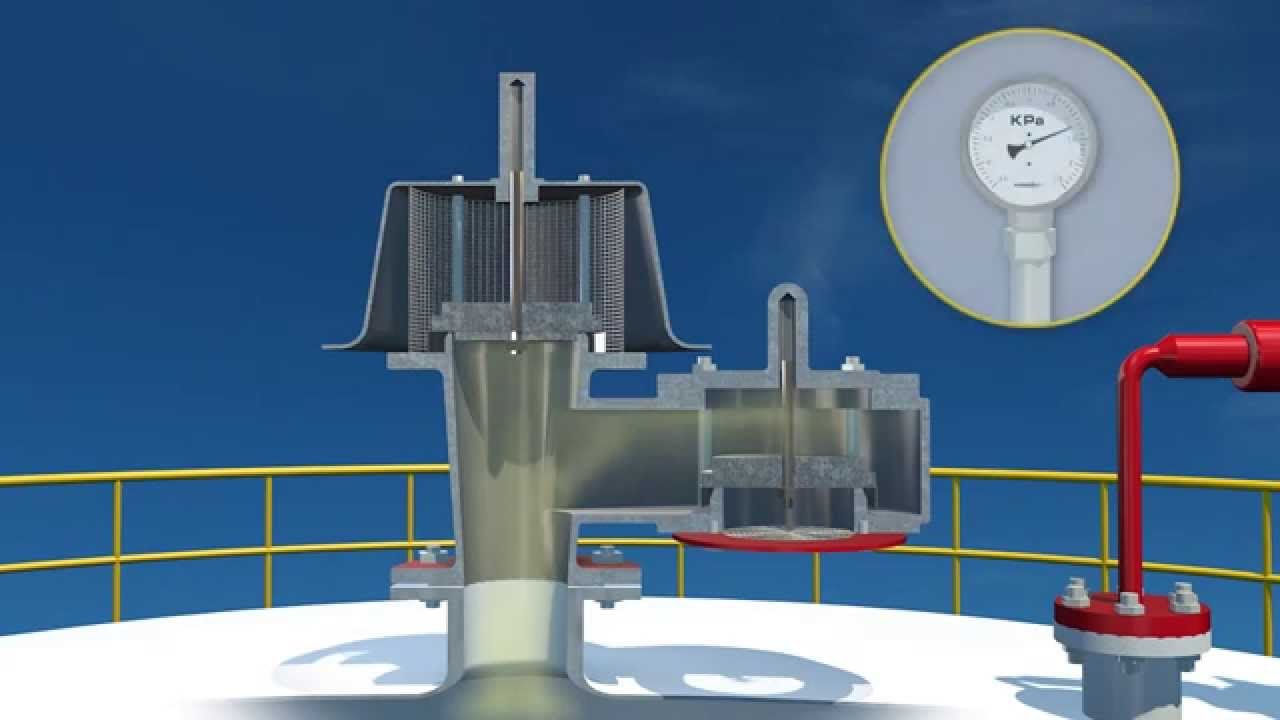
Understanding the Basics of PRV
A Pressure Relief Valve (PRV) is a critical component in fluid systems. Its primary function is to protect the system from overpressure conditions, which can lead to catastrophic failures. In systems handling corrosive fluids, the selection of a PRV becomes even more crucial due to the potential for chemical reactions that can damage the valve and compromise its functionality.
Why Corrosive Fluids Pose a Challenge
Corrosive fluids, by their nature, can degrade materials over time. This degradation can lead to leaks, failures, and in some cases, hazardous situations. The challenge for engineers is to select a PRV made from materials that can resist these corrosive effects while maintaining operational integrity.
Material Selection for PRVs
The material of the PRV is paramount in ensuring its longevity and reliability. Common materials used for PRVs in corrosive environments include stainless steel, Hastelloy, and Teflon. Each material offers different levels of resistance to various corrosive agents.
Design Considerations
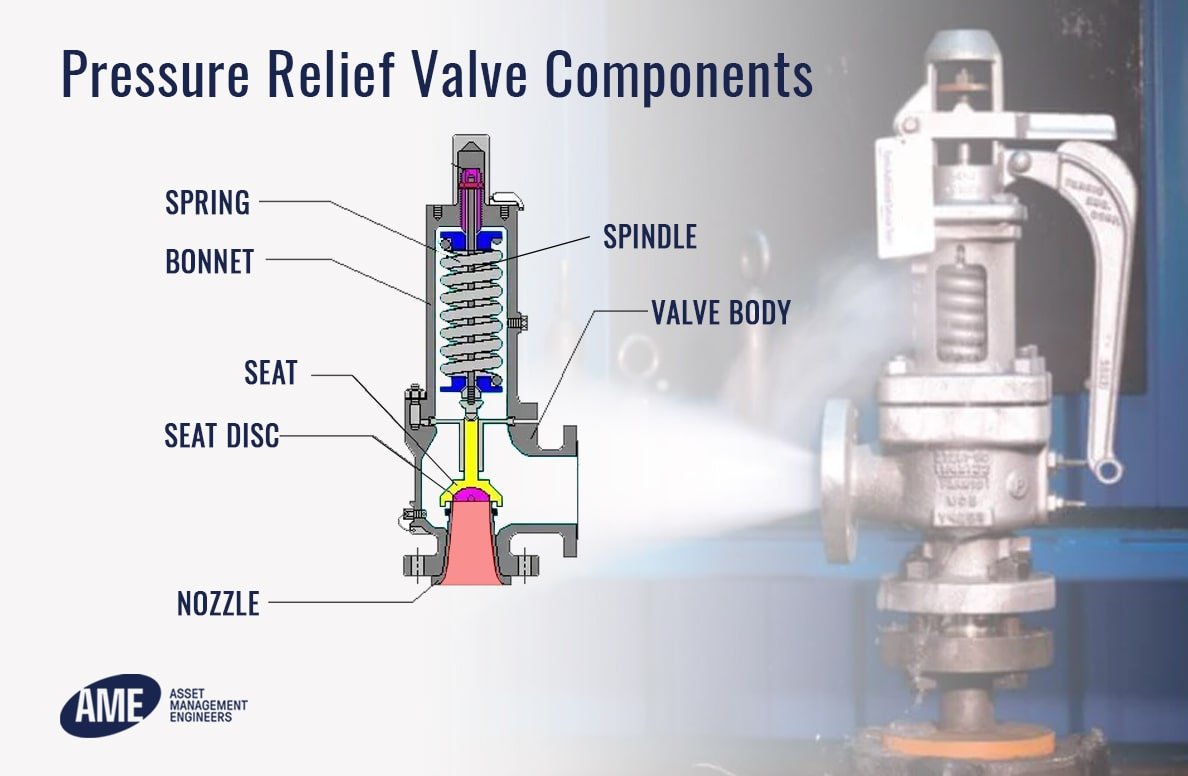
When choosing a PRV for corrosive fluids, it’s important to consider the design of the valve. This includes the valve’s sealing mechanism, the type of actuator used, and the overall construction of the valve. For more insights on actuator options, you can visit PRV actuation options to ensure the best fit for your specific needs.
Operating Conditions and Requirements
Understanding the operating conditions is crucial when selecting a PRV. This involves knowing the temperature range, pressure levels, and flow rates the valve will be exposed to. These factors will influence the type of PRV that is most suitable for your application.
Temperature Considerations
Temperature plays a significant role in the performance of a PRV. High temperatures can affect the material properties of the valve, leading to potential failures. Therefore, selecting a PRV that can withstand the specific temperature range of your system is essential.
Pressure Levels
Pressure levels will determine the set pressure of the PRV. It’s important to choose a PRV with a set pressure that is compatible with the system’s operating pressure to ensure safety and efficiency.
Installation and Maintenance
Proper installation and maintenance of PRVs are critical for their long-term performance. Ensuring correct installation practices and regular maintenance checks can help prevent issues and extend the lifespan of the valve. For guidance on proper installation, check out proper PRV orientation.
Regular Maintenance
Regular maintenance is key to ensuring a PRV operates effectively over time. This includes routine inspections, cleaning, and replacing parts as necessary. For more information on maintenance and repair, see valve seat wear and repair.
Industry Standards and Compliance
Compliance with industry standards is crucial when selecting a PRV for corrosive fluids. These standards ensure that the PRV will perform reliably and safely under specified conditions. Familiarity with standards such as ASME and API can aid in making informed decisions.
ASME Standards
The American Society of Mechanical Engineers (ASME) provides guidelines and standards for the design and selection of PRVs. Adhering to these standards ensures that the PRV will function as intended in various operating conditions.
API Standards
The American Petroleum Institute (API) also provides standards for PRVs, particularly for applications in the oil and gas industry. Understanding these standards can help in selecting the right PRV for specific applications.
FAQs
What is the importance of material selection in PRVs for corrosive fluids?
Material selection is crucial because it determines the PRV’s ability to resist corrosion and maintain structural integrity under corrosive conditions.
How does temperature affect the performance of a PRV?
Temperature can influence the material properties of the PRV, impacting its durability and reliability. It’s essential to choose a PRV that can withstand the specific temperature range of your system.
Why are industry standards important for PRV selection?
Industry standards ensure that PRVs are designed and tested to perform safely and reliably under specific conditions, providing peace of mind and compliance with regulatory requirements.
For further understanding of PRVs, you can visit an external resource at What is a Pressure Relief Valve?.
This article contains affiliate links. We may earn a commission at no extra cost to you.