In the world of industrial engineering, understanding the causes of overpressure events is crucial for maintaining safety and efficiency. These events can lead to equipment damage, environmental harm, and even pose risks to human health. By identifying and addressing these causes, industries can implement preventive measures to mitigate the risks associated with overpressure.
Understanding Overpressure Events
Overpressure events occur when the pressure within a system exceeds its design limits. This can happen due to various reasons, including operational failures, equipment malfunctions, or external factors. Understanding these causes is vital for industrial engineers to develop effective safety protocols.
Common Causes of Overpressure Events
Several factors contribute to overpressure events. These include:
- Equipment Failure: Malfunctioning or poorly maintained equipment can lead to pressure build-up.
- Human Error: Operator mistakes or improper procedures can cause pressure to rise unexpectedly.
- External Factors: Natural disasters or external impacts can affect system pressure.
Detailed Examination of Equipment Failure
Equipment failure is a significant contributor to overpressure events. Components like valves, pumps, and piping systems must function correctly to maintain pressure balance. Regular maintenance and timely repairs are essential to prevent equipment-related failures.
The Role of Pressure Relief Valves
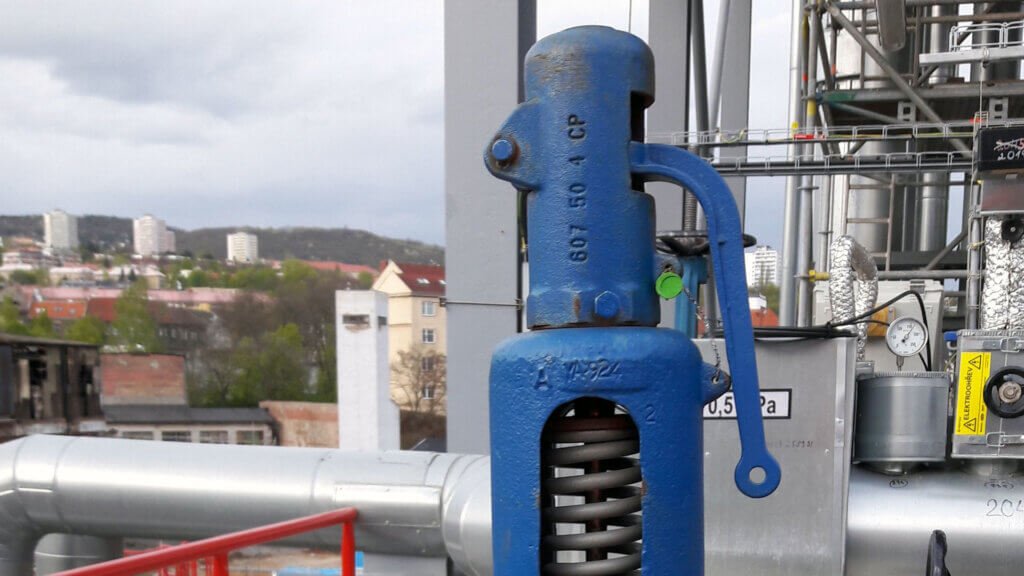
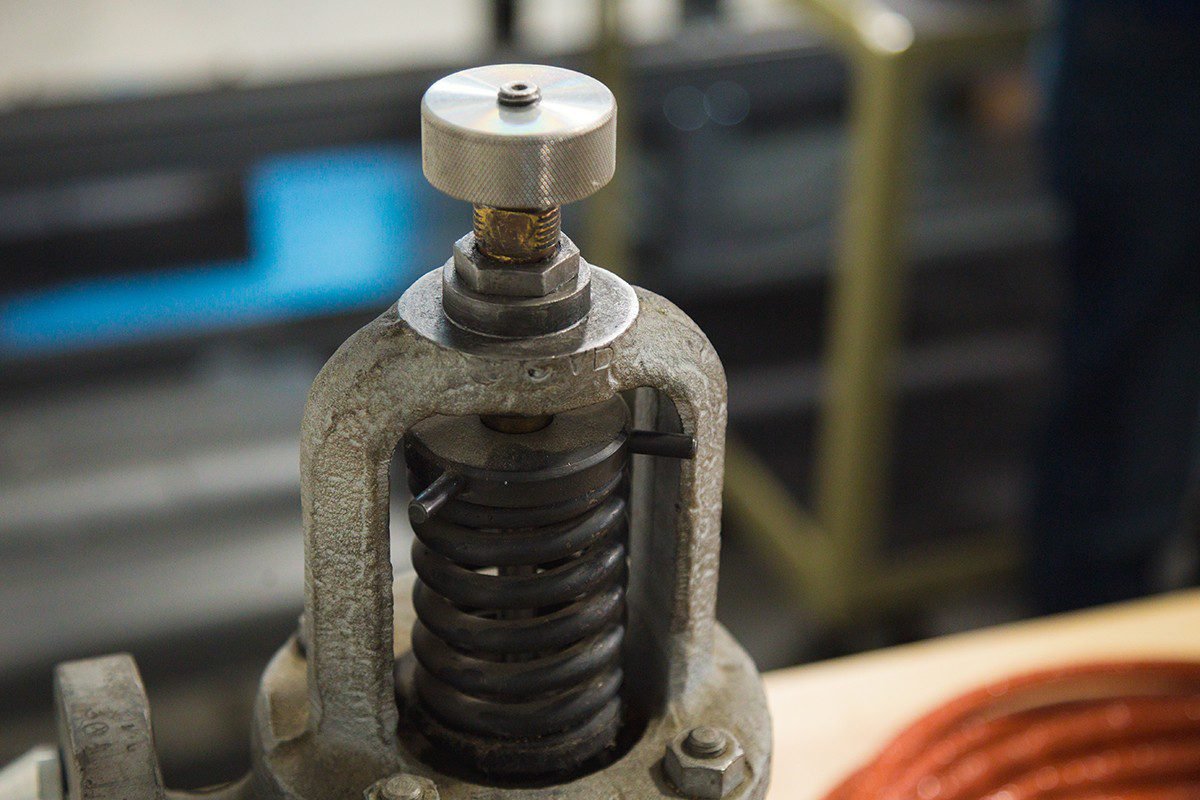
Pressure relief valves (PRVs) are critical in preventing overpressure events. They are designed to release excess pressure, maintaining system integrity. Proper installation and maintenance of PRVs are crucial for their effective functioning. For more insights on PRV design, visit designing PRV accessibility.
Impact of System Backpressure
System backpressure can adversely affect PRV performance. It is essential to monitor and control backpressure to ensure PRVs function optimally. Learn more about this in our detailed article on system backpressure.
Human Factors and Overpressure Events
Human error is another critical factor in overpressure events. Proper training and adherence to safety protocols are necessary to minimize risks associated with human errors. Industrial engineers must ensure that operators are well-informed and equipped to handle pressure-related challenges.
Preventive Measures and Best Practices
Implementing preventive measures is essential in mitigating overpressure events. These include:
- Regular system inspections to identify potential risks.
- Timely maintenance of equipment and components.
- Ensuring proper PRV orientation for effective functioning. Learn more about PRV orientation here.
External Factors Affecting Pressure
External factors such as weather conditions or seismic activities can also lead to overpressure events. Industries must consider these factors when designing and maintaining pressure systems.
Case Studies and Real-World Examples
Examining real-world examples of overpressure events can provide valuable lessons. Case studies highlight the importance of proactive measures and the consequences of neglecting pressure management.
Lessons from Past Incidents
Learning from past incidents helps industries improve their safety protocols. Analyzing failures and successes provides insights into effective pressure management strategies.
Future Trends in Pressure Management
Advancements in technology offer new solutions for managing overpressure events. Innovations in sensor technology and automation are paving the way for more efficient pressure control systems.
Integration of Smart Technologies
The integration of smart technologies in pressure management is transforming industries. These technologies enable real-time monitoring and predictive maintenance, reducing the risk of overpressure events.
Conclusion
Understanding the causes of overpressure events is crucial for industrial safety. By addressing equipment failures, human factors, and external influences, industries can significantly reduce the risks associated with these events. The role of pressure relief valves and preventive measures cannot be overstated in maintaining system integrity and safety.
FAQs
What are the main causes of overpressure events?
The main causes include equipment failure, human error, and external factors such as natural disasters.
How can pressure relief valves prevent overpressure?
Pressure relief valves release excess pressure, preventing system overloads and maintaining safety.
Why is regular maintenance important?
Regular maintenance ensures that all equipment functions correctly, reducing the risk of overpressure events.
For further reading on pressure management, consider exploring pressure relief in pumping systems.
This article contains affiliate links. We may earn a commission at no extra cost to you.