When dealing with plumbing systems, one of the most critical considerations is finding the best valve for water leaks. In any residential, commercial, or industrial setting, preventing water leaks is crucial for maintaining the integrity and efficiency of the plumbing system. This article delves into the different types of valves best suited for preventing and controlling water leaks.
Understanding the Importance of Valves in Plumbing
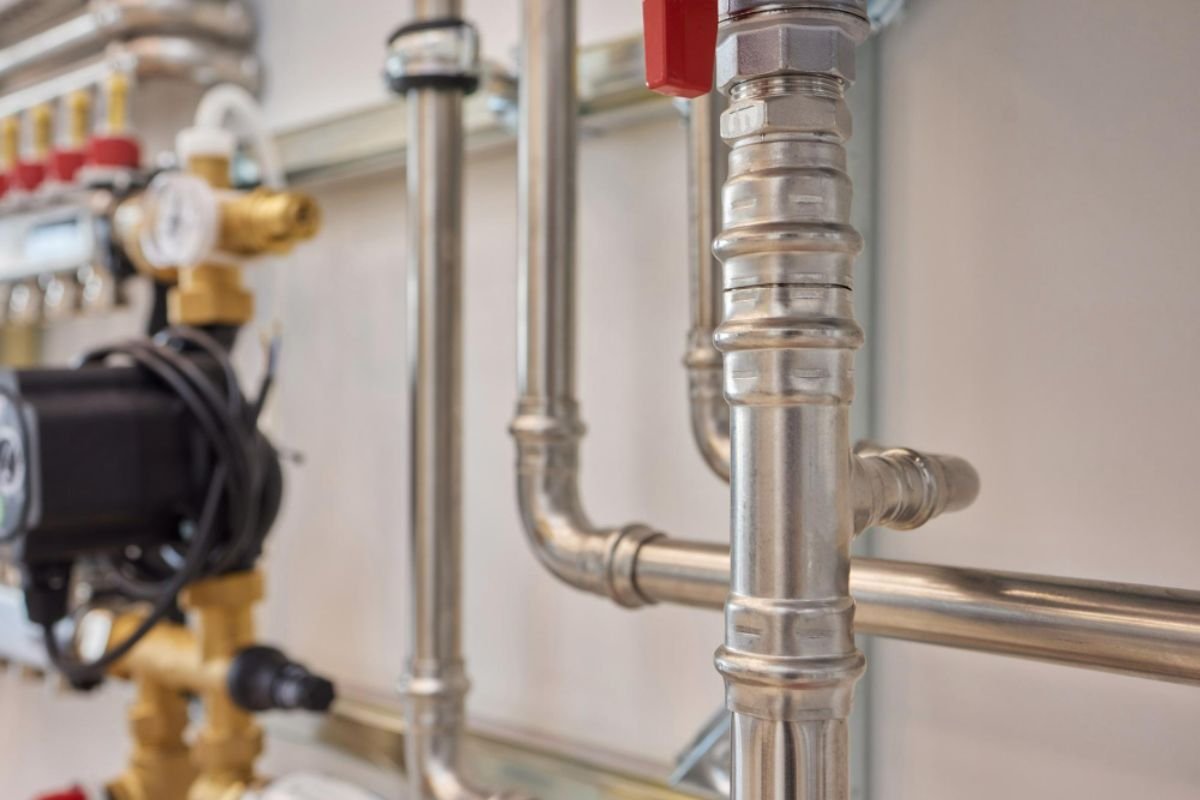
Valves are an integral part of plumbing systems, serving not only as a control mechanism for water flow but also as a preventive solution against potential leaks. They help in isolating parts of the system, which is essential during repairs or routine maintenance. Therefore, selecting the best valve for water leaks is a significant decision, impacting both safety and cost-efficiency.
Different Types of Valves
1. Gate Valves
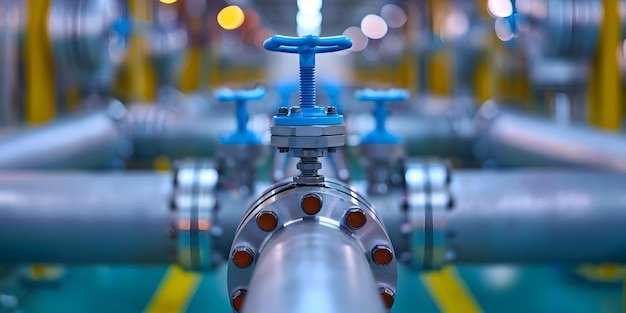
Gate valves are widely used due to their capacity to control both high and low-pressure systems. These valves work best in systems where the water needs to be turned on and off completely. However, they are not ideal for regulating flow.
2. Ball Valves
Ball valves are known for their durability and excellent sealing properties. They provide a quick shut-off capability and are often used in applications where tight sealing is essential. This type of valve is highly effective in preventing leaks when properly maintained.
3. Globe Valves
Globe valves are designed to regulate flow in a pipeline. They offer good leak control and are typically used for applications that require frequent adjustment of flow rates.
4. Check Valves
Check valves are one-way valves, allowing fluid to flow in only one direction, preventing backflow, which is essential in systems that could suffer from reverse fluid flow.
Factors to Consider When Choosing the Best Valve
1. Material
Valves are made from various materials, including brass, stainless steel, PVC, and more. The choice of material can significantly affect the valve’s durability and suitability for specific applications.
2. Size and Compatibility
Ensuring that the valve fits well within the existing plumbing system is vital. The correct size and compatibility prevent potential leaks and system malfunctions.
3. Pressure and Temperature Ratings
Understanding the operating pressure and temperature ranges that a valve can withstand is key to maintaining a leak-free system.
4. Maintenance Requirements
Regular maintenance is essential for all valves. Some valves may require more frequent inspection and part replacements than others.
Technological Innovations in Valves
The evolution of valves has seen significant technological advancements, particularly with the integration of smart technologies. Smart valves, equipped with IoT capabilities, offer leak detection and real-time monitoring, minimizing the damage and cost associated with water leaks. For more on how these innovations are impacting the plumbing industry, visit smart valve innovations.
Impact of Smart Valves in Preventing Water Leaks
Smart valves have revolutionized leak management and water conservation strategies. These solutions enable real-time monitoring and immediate response to leaks, significantly reducing water wastage and damage. To learn more about their contribution to home plumbing, check out this detailed guide on troubles caused by pipe leaks.
Benefits of Using Quality Valves
Utilizing high-quality valves ensures leak prevention, enhanced system efficiency, and reduced repair costs. As part of regular maintenance, read about the importance of maintaining your pipes and valves in our article on preventing plumbing disasters.
Case Study: Successful Implementation of Smart Valves
A case study of an industrial facility demonstrates the effectiveness of integrating smart valves. By doing so, leaks were promptly managed, leading to a 30% reduction in water usage and significant cost savings annually. Discover how different brands excel in this domain by visiting our top smart valve brands.
Looking Forward: The Future of Valve Technology
The future will see more automation in valve technology, with enhancements in remote control and AI-driven maintenance predictions. For deeper insights into smart valves and industry impacts, explore this informative resource on technological impacts of smart valves.
FAQs
What is the best valve type to prevent water leaks?
The selection depends on the specific needs of your pipeline. However, ball and smart valves are often endorsed for their excellent sealing and monitoring capabilities.
Can valves adapt to any plumbing system?
Valves are designed with various materials and sizes to accommodate different plumbing systems. It’s vital to select the compatible type for your specific system requirements.
How do smart valves contribute to leak prevention?
Smart valves use IoT technology to provide precise, real-time monitoring, alerting users to any irregularities, and preventing potential leaks from escalating.
This article contains affiliate links. We may earn a commission at no extra cost to you.