For industrial engineers, maintaining system safety and efficiency is paramount. One crucial component that plays a significant role in this is the Pressure Relief Valve (PRV). Understanding the best practices for PRV replacement not only ensures safety but also enhances the longevity of your systems. In this article, we will delve into these best practices, providing you with a detailed roadmap to follow.
What is a Pressure Relief Valve (PRV)?
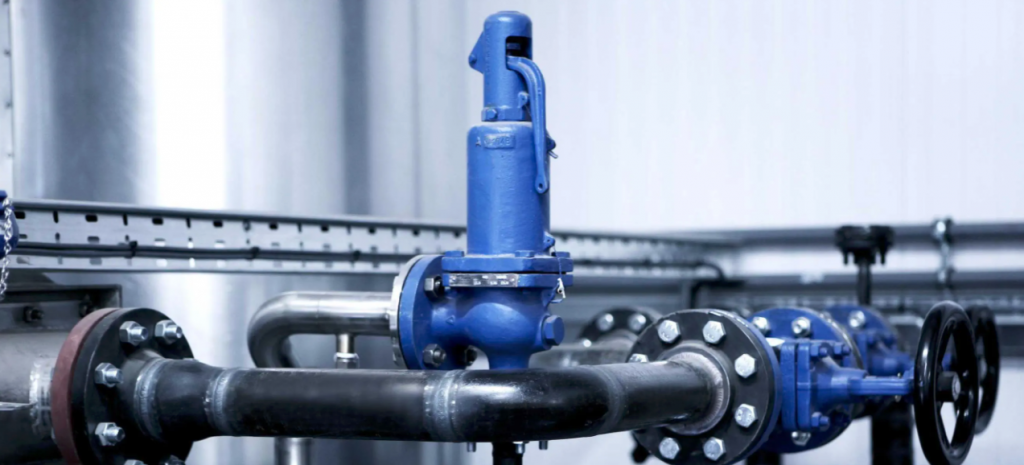
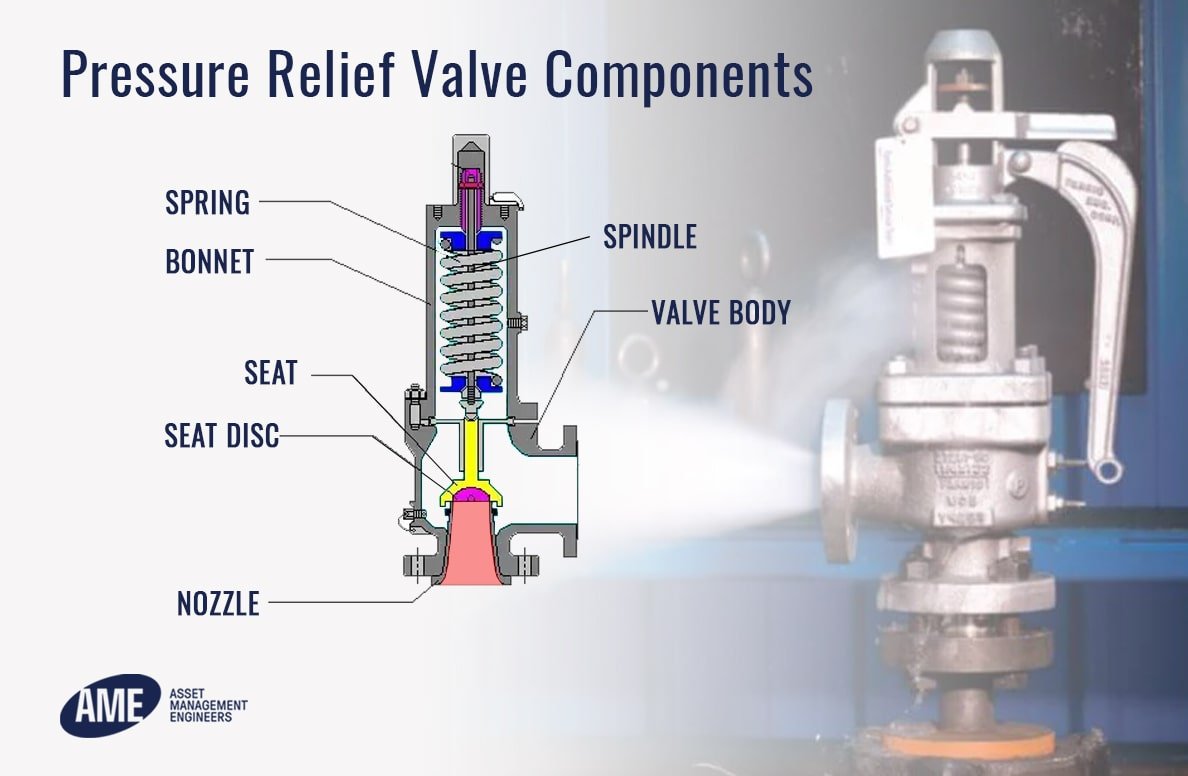
A Pressure Relief Valve is a safety device designed to protect a pressurized system during an overpressure event. This valve is crucial in preventing potential failures or explosions within industrial systems. Understanding its function is the first step in grasping the best practices for PRV replacement.
Why PRV Replacement is Essential
Over time, PRVs can wear out or become less effective. Regular replacement is necessary to maintain system integrity, prevent accidents, and comply with industry regulations. Ensuring your PRVs are in top condition is a key aspect of maintaining a safe work environment.
Signs It’s Time to Replace Your PRV
Recognizing when a PRV needs replacement is crucial. Look for signs such as frequent system overpressure, leaks, or unusual noises. Regular inspections can help identify these issues early, allowing for timely replacements.
Steps to Proper PRV Replacement
1. Identify the Right PRV
Choosing the right PRV is critical. Factors such as operating pressure, temperature, and the nature of the fluid must be considered. Consult manufacturer guidelines or industry experts to select the appropriate valve.
2. System Depressurization
Before replacing a PRV, ensure the system is fully depressurized. This step is vital to ensure safety and prevent accidents during the replacement process.
3. Remove the Old PRV
Carefully detach the existing PRV, ensuring no debris enters the system. Proper removal prevents contamination and ensures the new valve functions correctly.
4. Install the New PRV
Follow manufacturer instructions for installing the new PRV. Ensure all connections are secure and leak-free. Proper installation is key to the valve’s performance and longevity.
Post-Replacement Procedures
Testing the New PRV
After installation, conduct tests to verify the new PRV’s functionality. Testing ensures the valve operates within the specified parameters, maintaining system safety.
Regular Maintenance
Implement a schedule for regular maintenance checks. Routine inspections and testing can prolong the life of your PRV and prevent unexpected failures.
Common Challenges in PRV Replacement
Replacing PRVs can come with challenges such as finding compatible parts or dealing with system constraints. Understanding these challenges and having a plan can streamline the replacement process.
Addressing Compatibility Issues
Ensure the new PRV matches the system’s specifications. Incompatibility can lead to operational inefficiencies and safety risks.
Dealing with System Constraints
Work within the system’s physical and operational constraints to ensure a smooth replacement process. Consulting with experts can provide valuable insights and solutions.
The Role of Technology in PRV Replacement
Advancements in technology have made PRV replacements more efficient. Modern tools and techniques can simplify the replacement process, ensuring accuracy and safety. Explore the designing for PRV accessibility to understand how technology can aid in this process.
Using Diagnostic Tools
Invest in diagnostic tools that can assess the condition of your PRVs. These tools provide real-time data, aiding in timely replacements and maintenance.
Training and Skill Development
Ensure your team is trained in the latest PRV technologies and replacement techniques. Continuous learning can enhance your team’s efficiency and effectiveness in handling PRV replacements.
FAQs
1. How often should PRVs be replaced?
The replacement frequency of PRVs depends on the system’s operational conditions and the manufacturer’s recommendations. Regular inspections can help determine the right time for replacement.
2. What are the risks of not replacing a faulty PRV?
Failure to replace a faulty PRV can lead to system overpressure, equipment damage, or even catastrophic failures, posing significant safety risks.
3. Can I replace a PRV myself?
While it is possible to replace a PRV yourself, it is recommended to consult with or hire a professional to ensure the replacement is done correctly and safely.
To learn more about Pressure Relief Valves and their importance, visit this comprehensive guide on PRVs.
This article contains affiliate links. We may earn a commission at no extra cost to you.