Bathroom water seepage is a common issue that many homeowners face. This problem, if left unchecked, can lead to significant damage and costly repairs. In this article, we’ll explore the causes of bathroom water seepage, its effects on your home, and the solutions to prevent and fix this issue. Understanding these aspects is crucial for maintaining a safe and comfortable living environment.
Understanding Bathroom Water Seepage
The term bathroom water seepage refers to the unwanted infiltration of water into areas where it is not supposed to be, such as walls, floors, and ceilings. This can happen due to various reasons, including faulty plumbing and inadequate waterproofing. Recognizing the signs early can save you from extensive damage.
Causes of Bathroom Water Seepage
Poor Plumbing Installation
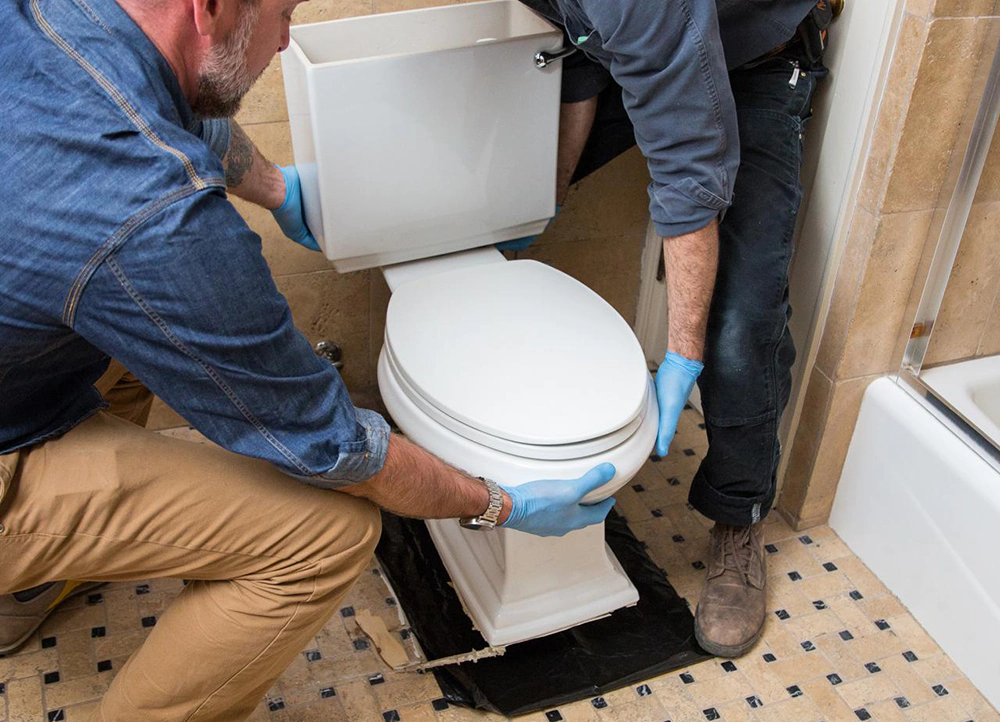
One of the primary causes of bathroom water seepage is poor plumbing installation. Faulty pipes, loose joints, and inadequate sealing can lead to leaks that result in water seeping into surrounding areas. Regular inspections and maintenance can prevent these issues.
Inadequate Waterproofing
Bathrooms require effective waterproofing to prevent water from penetrating surfaces. If the waterproofing layer is compromised or improperly applied, water seepage can occur. It’s essential to use high-quality materials and professional installation to ensure durability.
Structural Damage
Cracks in walls or floors can also lead to water seepage. These cracks may be caused by natural settling of the building or external factors such as earthquakes. Regular structural assessments can help identify and address these vulnerabilities.
Effects of Bathroom Water Seepage
Mold and Mildew Growth
One of the most common effects of bathroom water seepage is the growth of mold and mildew. These fungi thrive in damp environments and can cause health issues, including respiratory problems and allergies. Addressing water seepage promptly is essential to prevent mold infestations. For more information on dealing with mold, visit this guide.
Structural Damage
Prolonged exposure to moisture can weaken the structural integrity of your home. Water seepage can cause wood rot, damage to drywall, and even compromise the foundation. Early detection and repair are crucial to prevent extensive structural damage.
Increased Utility Bills
Water seepage often goes unnoticed until it results in higher water bills. Leaks can waste a significant amount of water, leading to increased utility costs. Monitoring your water usage and fixing leaks promptly can help reduce these expenses.
Solutions to Bathroom Water Seepage
Regular Maintenance and Inspection
One of the best ways to prevent bathroom water seepage is through regular maintenance and inspection. This includes checking for leaks, inspecting waterproofing layers, and ensuring that plumbing fixtures are functioning correctly. For tips on identifying leaks, see this external resource.
Professional Waterproofing
Investing in professional waterproofing services can significantly reduce the risk of water seepage. Experts can assess your bathroom’s needs and apply high-quality waterproofing materials to protect against moisture infiltration.
Timely Repairs
If you notice any signs of water seepage, such as damp spots, peeling paint, or musty odors, it’s crucial to address them immediately. Timely repairs can prevent further damage and save on costly repairs down the line. Learn more about fixing leaks from this helpful guide.
Choosing the Right Plumbing Materials
The choice of plumbing materials plays a significant role in preventing water seepage. Opt for high-quality pipes and fixtures that are designed to withstand pressure and resist corrosion. Consulting with professionals can help you make informed decisions for your bathroom’s plumbing system.
Advanced Technologies in Leak Detection
With advancements in technology, detecting leaks has become more efficient. Smart leak detectors can alert homeowners to potential issues before they become major problems. These devices are an excellent investment for proactive home maintenance.
FAQ Section
How can I tell if I have bathroom water seepage?
Look for signs such as damp walls, peeling paint, and musty odors. Higher water bills can also indicate a hidden leak.
What should I do if I find a leak?
Immediately shut off the water supply and contact a professional plumber for repairs. Addressing the issue promptly can prevent further damage.
Can I prevent bathroom water seepage myself?
While some maintenance tasks can be DIY, it’s best to consult professionals for waterproofing and major repairs to ensure long-term protection.
In conclusion, bathroom water seepage is an issue that requires attention and proactive measures. By understanding the causes, effects, and solutions, you can protect your home from damage and maintain a healthy environment. For more insights on bathroom leaks, visit this page.
This article contains affiliate links. We may earn a commission at no extra cost to you.