Dealing with a bathroom water leak can be a daunting task. However, finding an effective solution can save you from expensive repairs and water damage. In this article, well explore various methods to tackle this common issue and ensure your bathroom is leak-free.
Understanding Bathroom Water Leaks
Before diving into solutions, it’s essential to understand the common causes of bathroom water leaks. Some frequent sources include faulty plumbing, broken seals, and cracked tiles.
Common Causes of Bathroom Water Leaks
- Worn out seals around the bathtub or shower
- Cracks in tiles or grout
- Leaky faucets or pipes
- Improperly installed fixtures
Identifying the root cause of the leak is the first step in addressing the issue.
Step-by-Step Bathroom Water Leak Solution
1. Inspect the Plumbing
A thorough inspection of your plumbing system can help identify the source of the leak. Look for visible water stains, mold, or mildew that may indicate a hidden leak. Ensure that all pipes are securely connected and free from corrosion.
2. Check the Seals
Inspect the seals around your bathroom fixtures, such as the bathtub and shower. Replace any worn-out or damaged seals to prevent water from seeping through. For more information on bathroom caulking, visit Bathroom Caulking Leak.
3. Examine the Tiles and Grout
Cracked tiles or missing grout can allow water to penetrate your walls and floors. Repair any damaged tiles and re-grout areas where necessary to create a waterproof barrier. Discover more about Bathroom Waterproof Membrane.
4. Investigate the Faucets and Showerheads
Leaky faucets and showerheads can waste a significant amount of water and contribute to increased water bills. Tighten any loose connections and replace worn-out washers or O-rings to stop leaks at the source. For detailed steps on fixing a bathroom sink leak, visit Bathroom Sink Leak Fix.
5. Inspect the Toilet
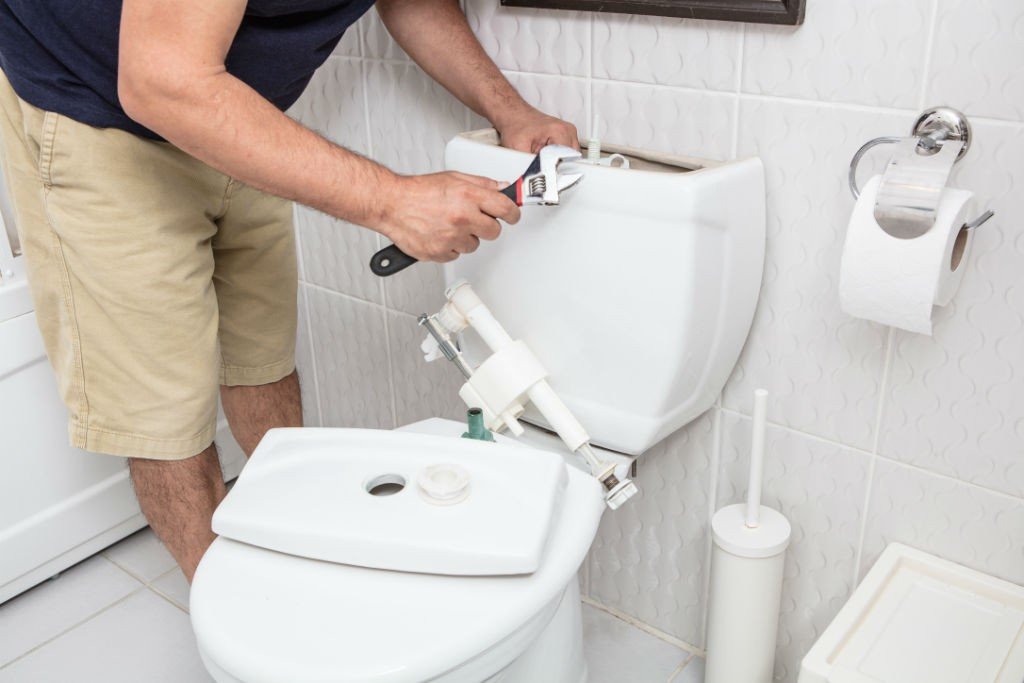
A leaky toilet is another common culprit of bathroom water leaks. Check the toilet hose and connections for signs of wear and tear. Replace faulty parts to prevent further leakage. Learn more about fixing a leaky toilet hose at Leaky Toilet Hose Bathroom.
Preventive Measures to Avoid Future Leaks
Regular Maintenance
Regular maintenance is key to preventing future leaks in your bathroom. Schedule routine inspections to catch potential issues before they become major problems.
Waterproofing Solutions
Investing in waterproofing solutions, such as the application of a waterproof membrane, can help protect your bathroom from water damage. Ensure that all surfaces are properly sealed to prevent water infiltration.
When to Call a Professional
While some leaks can be fixed with DIY solutions, there are instances where professional help is necessary. If you’re unable to identify the source of the leak or if the damage is extensive, it’s best to call in a professional plumber to assess and repair the situation.

FAQs
1. What are the first signs of a bathroom water leak?
Early signs of a bathroom water leak include water stains on ceilings or walls, the presence of mold or mildew, and a sudden increase in your water bill.
2. How can I prevent bathroom water leaks?
Regular maintenance, proper installation of fixtures, and investing in waterproofing solutions can help prevent bathroom water leaks.
3. Is it necessary to hire a professional plumber for bathroom leaks?
While minor leaks can be fixed with DIY solutions, it’s recommended to hire a professional plumber for extensive repairs or if you’re unable to locate the source of the leak.
For more insights on detecting hidden leaks, visit Signs of a Hidden Water Leak in Your Bathroom.
This article contains affiliate links. We may earn a commission at no extra cost to you.