Dealing with a bathroom wall leak can be a daunting task. Not only can it lead to structural damage, but it can also create an environment ripe for mold growth. Understanding the causes and solutions for these leaks is crucial in maintaining a healthy and safe home environment.
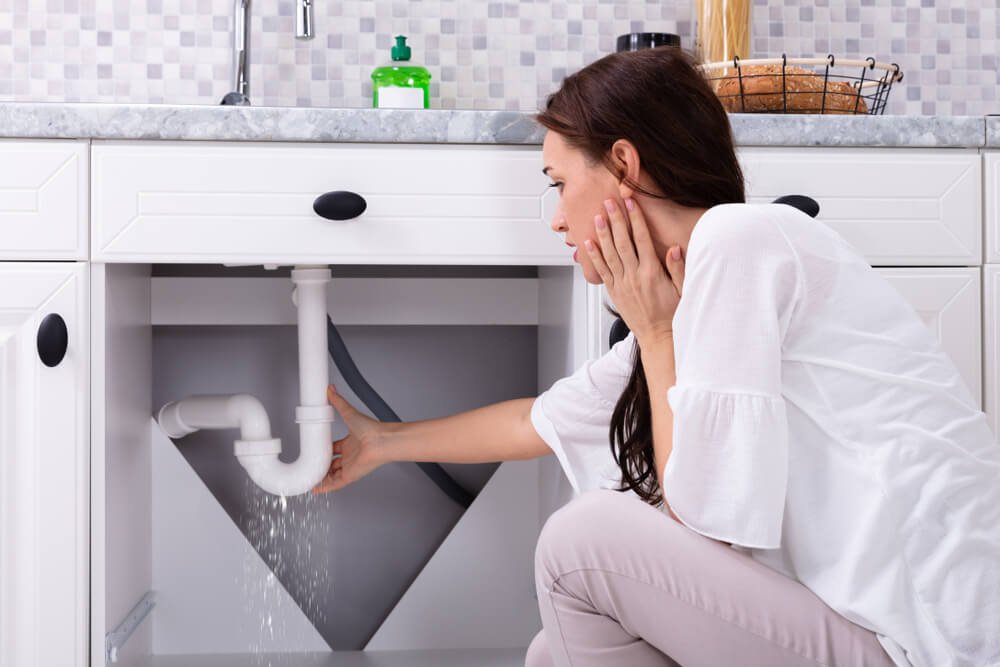
Understanding the Causes of Bathroom Wall Leaks
1. Aging Pipes
One of the most common causes of a bathroom wall leak is aging pipes. Over time, pipes can corrode and develop cracks, leading to leaks.
2. Poor Installation
Poorly installed plumbing systems can also result in leaks. If pipes and fittings are not properly connected, water can seep through the gaps.
3. High Water Pressure
Excessively high water pressure can stress pipes and joints, causing them to fail and leak over time.
4. External Factors
External factors such as tree roots and ground movement can damage pipes, leading to leaks.
Identifying Signs of a Bathroom Wall Leak
Recognizing the signs of a bathroom wall leak early can prevent extensive damage. Look out for these common indicators:
1. Water Stains
Water stains on walls or ceilings are a clear sign of a leak. These stains are usually discolored and may have a musty smell.
2. Mold Growth
Mold thrives in damp environments. If you notice mold on your walls, it might be due to a hidden leak.
3. Peeling Paint or Wallpaper
Peeling paint or wallpaper is often a result of moisture buildup behind the walls.
4. Unexplained Increase in Water Bill
A sudden spike in your water bill could indicate a leak in your plumbing system.
Solutions for Fixing Bathroom Wall Leaks
1. Repairing Damaged Pipes
Depending on the severity of the damage, repairing or replacing the affected pipes might be necessary. It’s advisable to hire a professional plumber for this task.
2. Sealing Leaks
For minor leaks, sealing the affected area with waterproof sealant can be an effective temporary solution.
3. Adjusting Water Pressure
Installing a pressure regulator can help maintain optimal water pressure, reducing the risk of leaks.
Preventing Future Bathroom Wall Leaks
1. Regular Maintenance
Conducting regular maintenance checks on your plumbing system can help identify potential issues before they escalate.
2. Upgrading Plumbing Systems
Consider upgrading old plumbing systems to more durable and efficient materials.
3. Installing Smart Water Monitoring Systems
Integrating smart water monitoring systems can alert you to leaks before they cause significant damage. Discover more about the inside of a smart water valve to enhance your home’s protection against leaks.
The Importance of Professional Help
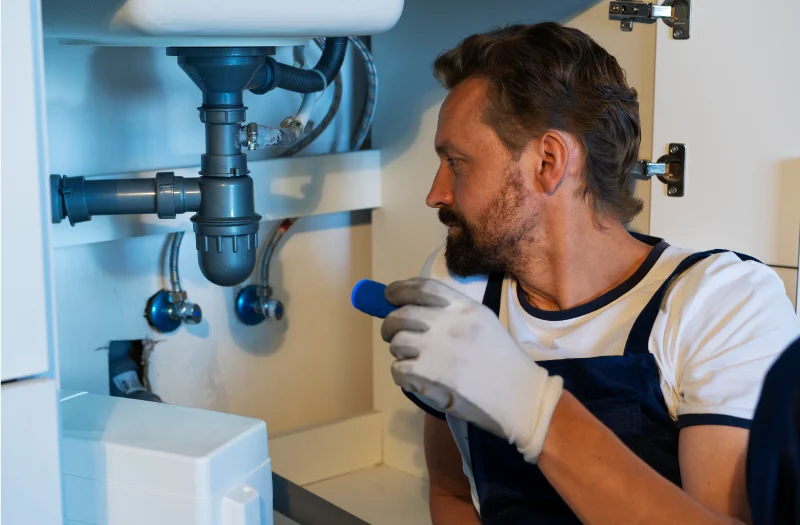
While some leak issues can be handled independently, more severe cases demand professional expertise. Hiring a licensed plumber ensures that the problem is accurately diagnosed and effectively resolved.
Case Study: Successful Leak Prevention
A family in Florida faced recurring leaks due to outdated plumbing. By upgrading to a modern system and installing a smart water valve, they successfully eliminated their leak issues. Read more about their journey in the future of home water systems.
Conclusion
Addressing a bathroom wall leak promptly and effectively is vital for maintaining the integrity of your home. By understanding the causes, recognizing the signs, and implementing preventive measures, you can safeguard your home against the damaging effects of leaks.
Frequently Asked Questions
1. What is the most common cause of a bathroom wall leak?
The most common cause is aging or corroded pipes, often exacerbated by high water pressure or poor installation.
2. Can I fix a bathroom wall leak myself?
Minor leaks may be manageable with DIY methods, but professional help is recommended for more severe issues.
3. How can I prevent future leaks?
Regular maintenance, upgrading old systems, and installing smart monitoring devices are effective preventive measures. Explore more tips on hidden water leak signs.
This article contains affiliate links. We may earn a commission at no extra cost to you.