
Bathrooms are an essential part of our homes, providing a private space for personal care and relaxation. However, they can also be prone to a common issue: bathroom wall dampness. This problem can lead to a host of complications if left untreated, including mold growth and structural damage. In this article, we will explore the causes, effects, and solutions to this pervasive problem.
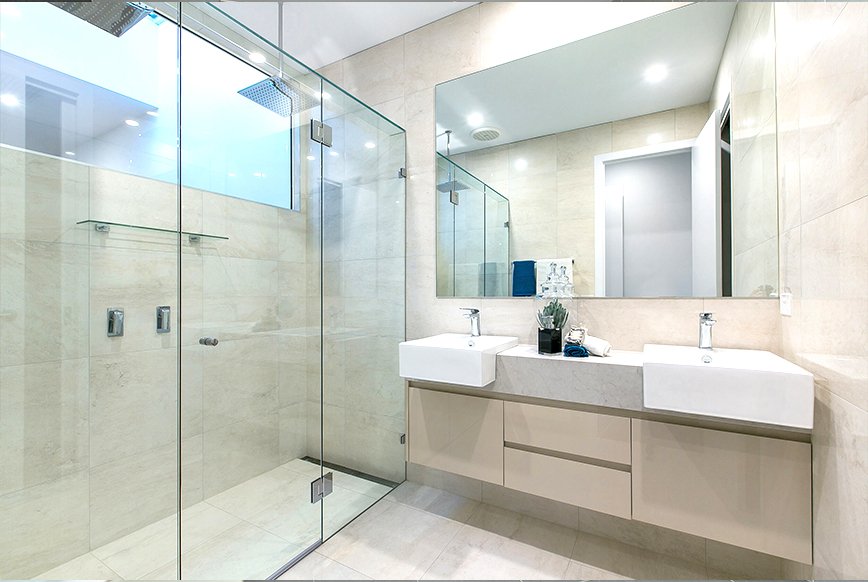
What Causes Bathroom Wall Dampness?
The primary cause of bathroom wall dampness is excessive moisture. Bathrooms are naturally humid environments due to showers, baths, and sinks, which produce steam and water droplets. Without adequate ventilation, this moisture can accumulate and seep into the walls.
Poor Ventilation Systems
Poor ventilation is a significant contributor to bathroom wall dampness. Without proper airflow, moisture has nowhere to escape, leading to increased humidity levels. It’s crucial to have a functioning exhaust fan or window to allow moisture to dissipate.
Leaky Fixtures
Leaky fixtures, such as faucets, showerheads, or toilets, can also cause bathroom wall dampness. Over time, even minor leaks can lead to significant water damage. Regular maintenance and prompt repairs can help prevent this issue. For more information on detecting leaks, you can visit this guide.
Waterproofing Failures
Inadequate waterproofing during the construction or renovation of a bathroom can result in bathroom wall dampness. If waterproof barriers are not installed correctly, moisture can penetrate the walls, leading to dampness.
Effects of Bathroom Wall Dampness
The effects of bathroom wall dampness extend beyond mere inconvenience. They can have serious implications for both your health and home.
Mold and Mildew Growth
Mold and mildew thrive in damp, humid conditions, making bathroom wall dampness a perfect breeding ground. These fungi can lead to respiratory issues and allergic reactions.
Structural Damage
Prolonged exposure to moisture can weaken the structural integrity of your walls. This can lead to costly repairs and, in severe cases, compromise the safety of your home.
Aesthetic Issues
Damp walls can cause paint to peel and wallpaper to bubble, detracting from the overall appearance of your bathroom. This can be unsightly and reduce the value of your home.
Solutions to Bathroom Wall Dampness
Fortunately, there are several effective strategies to combat bathroom wall dampness.
Improve Ventilation
Installing or upgrading an exhaust fan can significantly reduce moisture levels in your bathroom. Ensure the fan is vented to the outside to effectively remove humid air.
Regular Maintenance
Regularly inspect and maintain bathroom fixtures to prevent leaks. Address any issues promptly to avoid exacerbating bathroom wall dampness.
Waterproofing Solutions
Consider hiring a professional to assess and improve the waterproofing of your bathroom. This may involve reapplying sealant or installing a waterproof membrane. For more detailed waterproofing tips, visit Tile Sealant.
Preventing Bathroom Wall Dampness in the Future
Preventive measures are key to avoiding bathroom wall dampness in the future.
Utilize Dehumidifiers
Dehumidifiers can help manage humidity levels in your bathroom, especially in areas with high moisture. They are a practical investment for maintaining a dry environment.
Regular Cleaning
Regularly cleaning your bathroom can help prevent mold and mildew from taking hold. Use mold-resistant paint and cleaners to keep your bathroom walls protected.
Monitor Humidity Levels
Use a hygrometer to monitor humidity levels. Aim to keep the relative humidity below 60% to prevent bathroom wall dampness.
Conclusion
Bathroom wall dampness is a common issue that requires prompt attention to prevent further damage. By understanding the causes and effects, and implementing effective solutions, you can maintain a safe and healthy bathroom environment.
FAQ
How can I tell if my bathroom walls are damp?
Signs of damp walls include discoloration, peeling paint, and a musty smell. You may also notice mold growth or water stains.
What is the best way to dry out damp walls?
Improving ventilation and using dehumidifiers can help dry out damp walls. In severe cases, professional water damage restoration may be needed.
Can bathroom wall dampness cause health problems?
Yes, dampness can lead to mold growth, which can cause respiratory issues and allergic reactions. It’s important to address dampness promptly to protect your health.
This article contains affiliate links. We may earn a commission at no extra cost to you.