In the realm of home maintenance, a bathroom wall bubble leak is a common yet often overlooked issue. This kind of leak is not just a cosmetic problem; it can indicate deeper structural issues that require immediate attention. Understanding the causes and solutions for a bathroom wall bubble leak is crucial for maintaining a safe and aesthetically pleasing bathroom environment.
What is a Bathroom Wall Bubble Leak?
A bathroom wall bubble leak occurs when water seeps into the walls, causing the paint or wallpaper to bubble. This is usually the result of a leak in the plumbing or the failure of waterproofing materials. If left unchecked, it can lead to further damage, such as mold growth, structural weakening, and costly repairs.
Common Causes of Bathroom Wall Bubble Leak
Poor Caulking
Ineffective caulking around showers, tubs, and sinks can allow water to penetrate the walls. It’s important to use high-quality caulking products and apply them correctly to prevent leaks. Learn more about caulking leaks and how they contribute to wall damage.
Faulty Plumbing
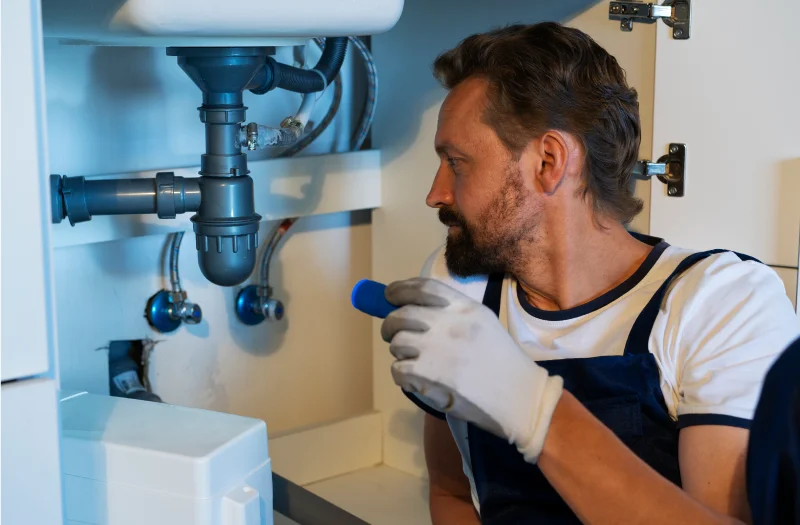
Leaking pipes behind the walls are a significant cause of wall bubble leaks. Regular inspections and maintenance can help detect plumbing issues early. Consider consulting a professional if you suspect a plumbing leak.
Inadequate Waterproofing
The use of poor-quality waterproofing materials or improper installation can result in water seeping into the walls. It is essential to invest in reliable waterproofing solutions to prevent leaks. For insights on waterproofing, visit waterproof membranes.
Preventing Bathroom Wall Bubble Leak
Regular Maintenance
Conduct regular inspections of your bathroom for signs of leaks. Pay attention to any changes in the appearance of your walls, such as discoloration or bubbling. Regular maintenance can help identify potential issues before they become major problems.
Quality Materials
Using high-quality materials for construction and repairs can significantly reduce the risk of leaks. This includes investing in good-quality tiles, sealants, and plumbing fixtures. Explore the benefits of using bathroom tile sealants to enhance durability.
Professional Installation
Hiring professionals for bathroom installations and repairs ensures that the work is done correctly. Professionals have the expertise to install waterproofing materials and plumbing fixtures properly, reducing the risk of leaks.
Solutions for a Bathroom Wall Bubble Leak
Repairing the Leak
Once a leak is detected, it’s crucial to address it promptly. This may involve repairing or replacing faulty plumbing, reapplying caulking, or installing better waterproofing materials. For complex issues, consider hiring a professional plumber or contractor.
Restoring the Wall
After repairing the leak, the next step is to restore the wall to its original condition. This may involve removing damaged paint or wallpaper, repairing the drywall, and repainting the surface. Ensure the wall is completely dry before starting restoration to prevent mold growth.
FAQs
How do I identify a bathroom wall bubble leak?
Look for signs such as peeling paint, wallpaper bubbles, discoloration, or dampness on the walls. These are indicators that water is seeping into the wall.
Can I fix a bathroom wall bubble leak myself?
While minor leaks can be fixed with DIY methods, significant leaks often require professional intervention to ensure the issue is thoroughly resolved.
What is the cost of repairing a bathroom wall bubble leak?
The cost varies based on the extent of the damage and the repairs needed. Minor repairs may cost less, whereas extensive damage requiring professional help can be more expensive.
Conclusion
A bathroom wall bubble leak should never be ignored as it can lead to severe structural issues and health hazards. By understanding the causes, prevention strategies, and solutions, you can effectively manage and maintain your bathrooms integrity. For more information on identifying and addressing bathroom leaks, visit this guide on bathroom leaks.
This article contains affiliate links. We may earn a commission at no extra cost to you.