Experiencing a bathroom toilet tank leak can be frustrating and costly. It not only wastes water but can also lead to higher utility bills. Fortunately, understanding the common causes and learning how to address these leaks can save you time and money. This article aims to guide you through the process of identifying, fixing, and preventing these pesky leaks in your bathroom.
Understanding the Basics of a Toilet Tank
The toilet tank is an essential component of any bathroom. It holds the water necessary for flushing and ensures the toilet functions correctly. However, when leaks occur, it can disrupt the entire system.
How a Toilet Tank Works
Inside a toilet tank, several parts work together to control the flow of water. These include the fill valve, flush valve, and flapper. Each part has a specific role, and a malfunction in any of these can result in leaks.
Common Signs of a Toilet Tank Leak
Recognizing the signs of a toilet tank leak can help prevent further damage. Some common indicators include:
- Constantly running water
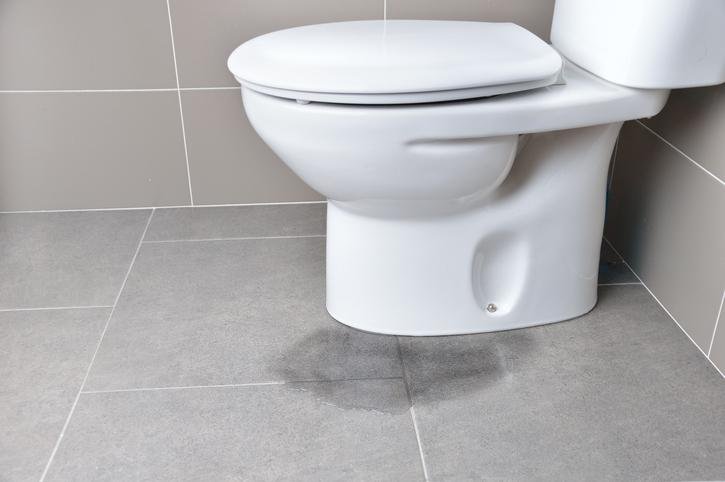
- Wet or damp floors around the toilet
- Unexplained increases in water bills
- Water stains on the ceiling below the bathroom
Causes of a Bathroom Toilet Tank Leak
Several factors can lead to a bathroom toilet tank leak. Understanding these causes is the first step towards finding a solution.
Worn-out Flapper
The flapper is a rubber seal that controls the release of water from the tank to the bowl. Over time, it can become worn or warped, leading to leaks. Replacing the flapper is a simple fix that can resolve this issue.
Malfunctioning Fill Valve
The fill valve regulates the amount of water entering the tank. If it is faulty, it can cause continuous water flow, resulting in leaks. Adjusting or replacing the fill valve can often solve this problem.
Cracks in the Tank
Cracks or damage to the tank itself can also result in leaks. In some cases, sealing the cracks with waterproof adhesive or replacing the tank is necessary.
Faulty Flush Valve
The flush valve is responsible for releasing water during a flush. If it fails to seal properly, it can cause water to leak continuously. Examining and replacing the flush valve can help eliminate leaks.
How to Fix a Bathroom Toilet Tank Leak
Fixing a bathroom toilet tank leak can often be done without professional assistance. Here are some steps you can follow:
Identify the Source of the Leak
Before attempting any repairs, it is crucial to identify where the leak is coming from. This will help you choose the right approach for fixing the issue.
Replace the Flapper
If the flapper is the culprit, replacing it is a straightforward solution. Ensure you choose a compatible flapper for your toilet model to prevent future leaks.
Adjust or Replace the Fill Valve
If the fill valve is causing the leak, try adjusting it first. If adjustments do not work, consider replacing the valve to stop the leak.
Seal or Replace the Tank
For cracks in the tank, sealing them with a waterproof adhesive can be a temporary solution. However, replacing the tank might be necessary for more severe damage.
Prevention Tips for Future Leaks
Preventing future leaks is essential to maintaining an efficient and functional bathroom. Here are some tips to help you avoid leaks:
Regular Maintenance
Perform regular maintenance checks on your toilet to ensure all components are functioning correctly. This includes inspecting the flapper, fill valve, and flush valve for any signs of wear.
Avoid Using Harsh Chemicals
Harsh chemicals can damage rubber parts within the toilet tank, leading to leaks. Opt for gentler cleaning solutions to preserve the integrity of these components.
Monitor Water Usage
Pay attention to your water bills for any unexpected increases. This could be a sign of a hidden leak, prompting you to inspect your toilet tank.
When to Call a Professional
While many toilet tank leaks can be resolved with DIY methods, there are situations where professional help is necessary. If you encounter persistent leaks, complex issues, or are unsure how to proceed, it is best to contact a plumber.
Conclusion
A bathroom toilet tank leak can be an inconvenience, but with the right knowledge and tools, it can be addressed effectively. By understanding the causes, recognizing the signs, and taking preventive measures, you can maintain a leak-free bathroom and save on water bills. For more information on detecting bathroom leaks, you can visit Leak Science.
FAQs
What causes a toilet tank to leak?
Common causes include a worn-out flapper, malfunctioning fill valve, cracks in the tank, and faulty flush valve.
Can I fix a toilet tank leak myself?
Yes, many toilet tank leaks can be fixed with DIY methods, such as replacing the flapper or adjusting the fill valve.
When should I call a plumber for a toilet tank leak?
If you are unable to identify the source of the leak, encounter persistent issues, or feel unsure about the repair process, it is advisable to contact a professional plumber.
This article contains affiliate links. We may earn a commission at no extra cost to you.