One of the most frustrating issues that homeowners face is a bathroom tap leaking underneath. Such leaks can lead to water wastage, increased utility bills, and potential water damage. Understanding the causes of these leaks and knowing how to fix them is crucial. In this article, we aim to guide you through the common causes of leaks, how to diagnose them, and the steps you can take to fix these plumbing problems effectively.
Understanding the Basics of Bathroom Tap Leaks
A bathroom tap leaking underneath is more than just a nuisance. Left unchecked, it can lead to significant water damage, mold growth, and structural issues in your home. It is essential to address these leaks promptly to avoid costly repairs and maintain your bathroom’s integrity.
Common Causes of Leaks
Leaks underneath bathroom taps can occur for various reasons. Some of the most common causes include:
- Worn-out washers and O-rings
- Corroded pipes or fittings
- Loose or improperly installed connections
- Cracks in the tap or fixture
Diagnosing the Problem
Before you can fix a leak, you need to identify its source. Start by inspecting the tap and its connections. Look for visible signs of wear or damage. Check the area around the tap for water stains or dampness, which can indicate a leak.
For a more in-depth inspection, you might need to disassemble the tap to examine the internal components. This process can help you identify worn or damaged parts that need replacement.
Steps to Fix a Leaking Bathroom Tap
Gather the Necessary Tools
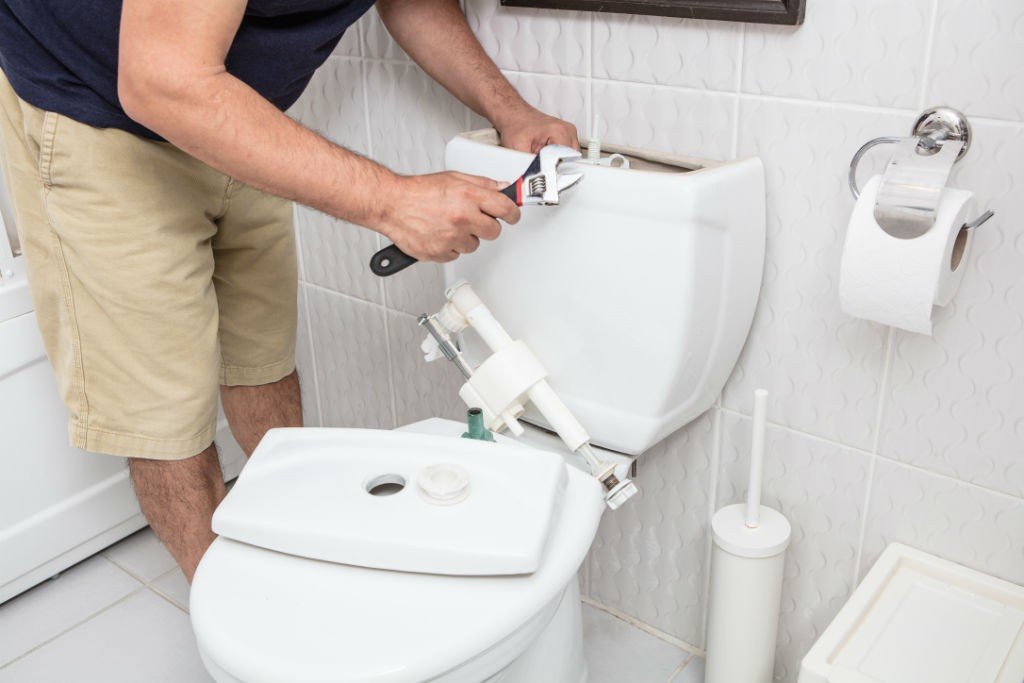
Before you start any repair work, ensure you have the right tools on hand. Some essential tools include:
- Adjustable wrench
- Screwdriver
- Replacement washers, O-rings, or fittings
- Plumber’s tape
Shut Off the Water Supply
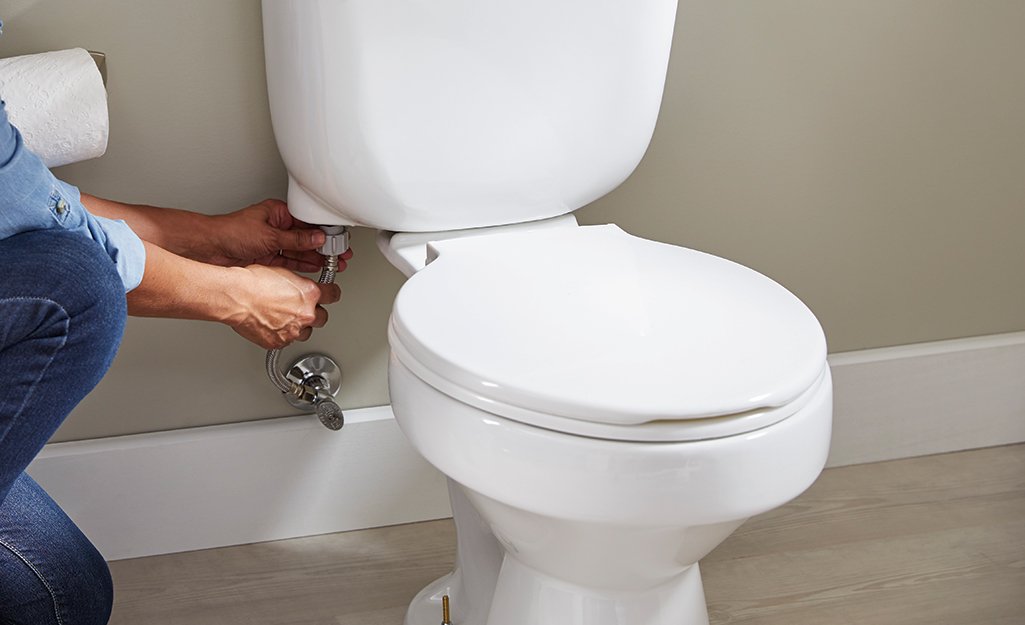
To begin the repair process, turn off the water supply to the bathroom tap. This step will prevent any water from flowing during the repair and make it easier to work on the tap.
Replace Worn Components
Once you’ve identified the worn or damaged parts, replace them with new components. Common replacements include washers, O-rings, and fittings. Ensure you use high-quality parts to prevent future leaks.
Reassemble the Tap
After replacing the necessary components, reassemble the tap. Ensure all connections are tight and secure. Use plumber’s tape on threaded connections to create a watertight seal.
Test for Leaks
Once you’ve reassembled the tap, turn the water supply back on and test for leaks. Check all connections and the area underneath the tap for any signs of water. If you notice any leaks, tighten the connections further.
Preventing Future Leaks
Regular Maintenance
To prevent leaks from occurring in the future, perform regular maintenance on your bathroom taps. This maintenance includes checking for signs of wear, tightening connections, and replacing worn components as needed.
Using Quality Materials
Using high-quality materials for your bathroom fixtures can reduce the likelihood of leaks. Invest in durable taps and fittings that can withstand regular use and resist corrosion.
Addressing Water Pressure Issues
High water pressure can put additional strain on your taps and lead to leaks. If you notice unusually high water pressure, consider installing a pressure regulator to protect your plumbing system.
When to Call a Professional
While many leaks can be fixed with basic DIY skills, some situations may require professional assistance. If you’re unable to identify the source of the leak or if the leak persists after repairs, it’s best to call a licensed plumber.
Professional plumbers have the expertise and tools needed to diagnose and fix complex plumbing issues, ensuring a lasting solution to your leak problem.
Additional Resources
For more information on preventing and addressing bathroom leaks, visit this guide on hidden water leaks. You can also explore resources on bathroom tile sealant and water under tiles for more insights.
FAQs
How do I know if my bathroom tap is leaking underneath?
Look for water stains or dampness under the tap. You may also hear a dripping sound or notice increased water bills.
Can I fix a leaking tap myself?
Yes, many leaks can be fixed with basic tools and replacement parts. However, if the leak persists, it’s best to call a professional.
How often should I check my bathroom taps for leaks?
Regularly inspect your taps every few months to catch any issues early and perform necessary maintenance.
This article contains affiliate links. We may earn a commission at no extra cost to you.