
Bathroom rust around fittings is a common issue faced by many homeowners. This problem not only affects the aesthetic appeal of the bathroom but can also lead to more severe plumbing issues if left unchecked. Understanding the causes and implementing effective solutions can help maintain a rust-free bathroom environment.
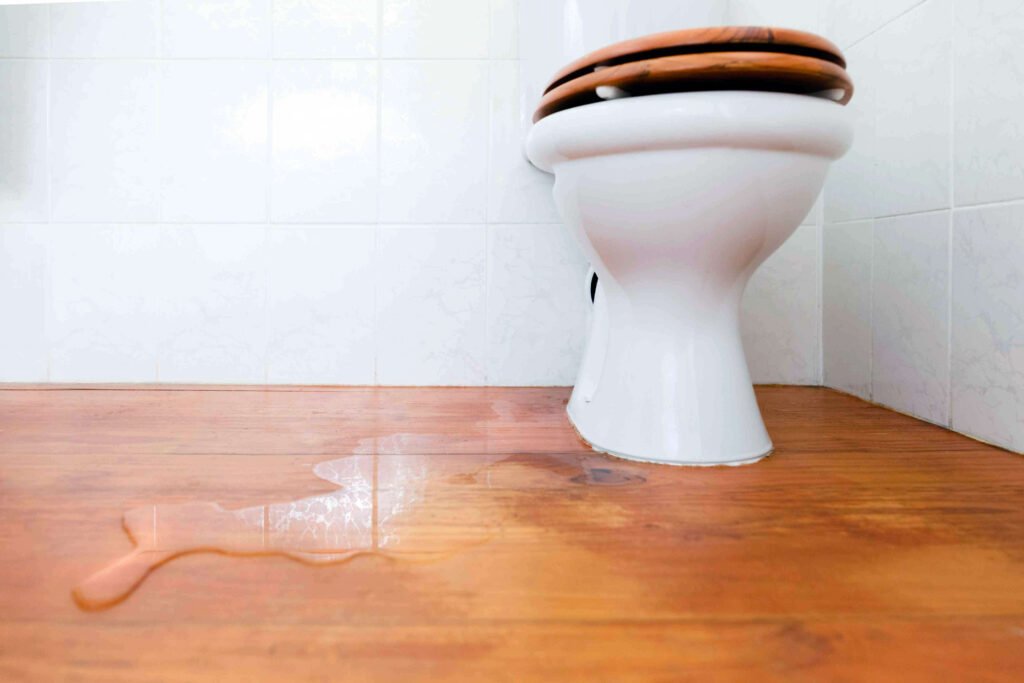
Understanding Rust in the Bathroom
Rust is a form of iron oxide, which occurs when iron reacts with oxygen in the presence of moisture. In bathrooms, where moisture is prevalent, rust can easily form on fittings and fixtures, leading to unsightly stains and potential damage.
Common Causes of Rust Around Fittings
High Humidity Levels
Bathrooms are prone to high humidity due to frequent use of water. This moisture in the air can settle on metal surfaces, leading to rust formation. Installing proper ventilation can help reduce humidity levels and prevent rust.
Water Quality
The quality of water can significantly impact the rate of rust formation. Hard water, which contains a high concentration of minerals like calcium and magnesium, can exacerbate rusting. Using water softeners or filters can mitigate this issue.
Improper Maintenance
Regular maintenance is crucial for preventing rust. Neglecting to clean and dry bathroom fittings can lead to the buildup of moisture and, consequently, rust.
Preventive Measures
Regular Cleaning
Regularly cleaning bathroom fittings with appropriate cleaning agents can help prevent rust. Avoid using harsh chemicals that might damage the fittings; instead, opt for gentle, non-abrasive cleaners.
Use of Rust-Resistant Materials
When choosing bathroom fittings, consider materials that are resistant to rust, such as stainless steel or chrome. These materials are less prone to rusting, ensuring a longer lifespan for your bathroom fixtures.
Solutions for Existing Rust
Removing Rust with Household Items
Common household items like vinegar, baking soda, and lemon juice can effectively remove rust stains. Apply these substances to the affected area, let them sit for a while, and then scrub the rust away.
Commercial Rust Removers
For more stubborn rust stains, commercial rust removers can be an effective solution. These products are specifically designed to tackle tough rust stains and restore the appearance of your fittings.
Long-term Solutions
Regular Inspections
Conducting regular inspections of your bathroom fittings can help identify early signs of rust, allowing you to address the issue before it becomes severe. Look for signs of corrosion and discoloration, and take action promptly.
Professional Maintenance
Engaging professional plumbing services for regular maintenance can ensure that your bathroom fittings remain in optimal condition. Professionals can provide expert advice and solutions tailored to your specific needs.
Impact of Rust on Bathroom Aesthetics
Rust can significantly affect the aesthetic appeal of your bathroom. Unsightly rust stains on fittings can detract from the overall appearance, making the bathroom look unkempt and neglected.
Impact of Rust on Functionality
Beyond aesthetics, rust can also impact the functionality of bathroom fittings. Rust can cause fittings to become stiff, difficult to use, or even inoperable, leading to potential plumbing issues.
Conclusion
Addressing bathroom rust around fittings is essential for maintaining both the aesthetic appeal and functionality of your bathroom. By understanding the causes and implementing preventive measures, you can ensure a rust-free environment. Regular maintenance and timely solutions can help prolong the life of your bathroom fittings.
FAQ
How can I prevent rust in my bathroom?
To prevent rust, ensure proper ventilation, use rust-resistant materials, and conduct regular cleaning and maintenance.
What are some common signs of rust?
Common signs of rust include discoloration, a rough texture on metal surfaces, and reduced functionality of fittings.
Can rust damage bathroom fittings?
Yes, rust can damage bathroom fittings by causing corrosion, leading to reduced functionality and potential plumbing issues.
For more detailed information on related bathroom issues, visit bathroom tile sealant, bathroom leak vs humidity, and signs you have a leak.
This article contains affiliate links. We may earn a commission at no extra cost to you.