Maintaining a functional and visually pleasing bathroom is crucial for every homeowner. An efficient bathroom repair checklist can help you keep everything in order and prevent costly damages. Whether you’re dealing with a leaky faucet, a clogged drain, or worn-out tiles, knowing what to check and how to fix it can save you time and money.
A carefully planned bathroom repair checklist ensures that you address issues promptly, extending the life of your bathroom fixtures and preventing water damage. In this guide, we’ll walk you through the essential steps to take when tackling bathroom repairs.
Why a Bathroom Repair Checklist Matters
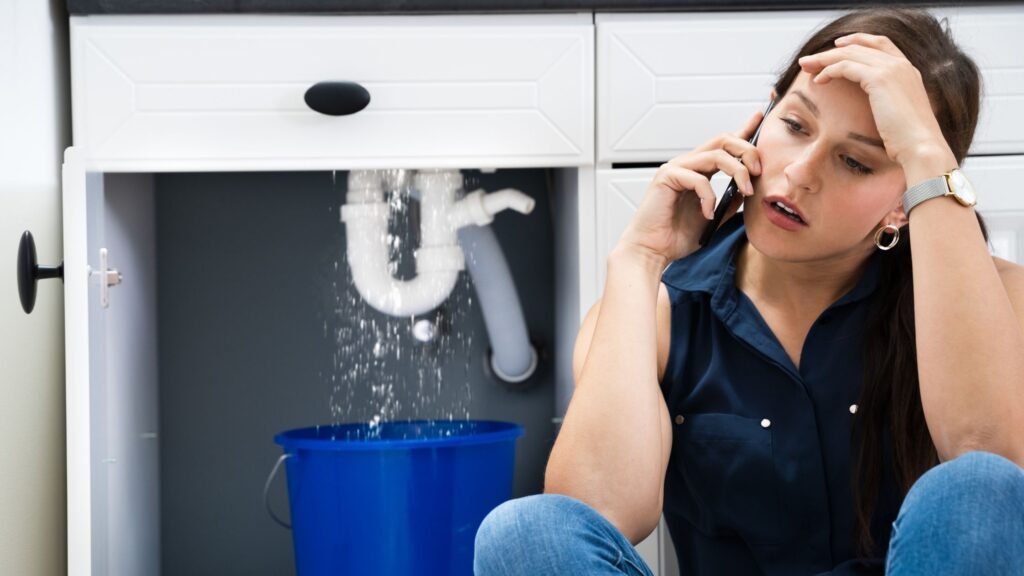
A bathroom repair checklist is not just a tool for fixing problems; it’s a proactive approach to maintaining the health of your home. Regular maintenance can prevent minor issues from escalating into major repairs. For instance, a small leak, if ignored, can lead to water damage that affects the structural integrity of your home.
Moreover, having a checklist helps you stay organized, ensuring that no critical aspect of bathroom maintenance is overlooked. This methodical approach is especially beneficial for busy individuals who might not have the time to inspect every nook and cranny of their bathroom regularly.
Identifying Common Bathroom Problems
1. Leaky Faucets
Leaky faucets are not only annoying but also contribute to water wastage. The constant dripping sound can be a nuisance, and it can significantly increase your water bill. Typically, worn-out washers or seals cause these leaks. Replacing these components can often resolve the issue.
2. Clogged Drains
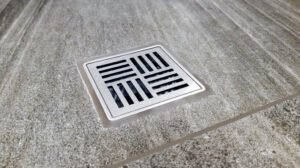
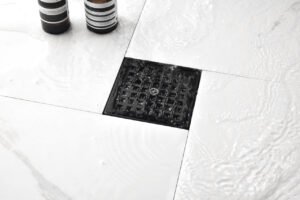
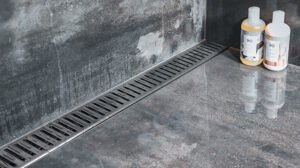
Clogged drains are a common problem in bathrooms, often caused by hair, soap scum, and other debris. Regular cleaning and using a drain cover can prevent these blockages. If the problem persists, using a plunger or a plumbing snake can help clear the drain.
3. Worn-Out Tiles
Tiles can become worn or cracked over time due to constant exposure to water and cleaning agents. Cracked tiles not only look unsightly but can also allow water to seep through, causing damage beneath the surface. Replacing damaged tiles promptly is essential to avoid further issues.
Essential Tools for Bathroom Repair
Having the right tools on hand is crucial for effective bathroom repairs. Here are some essentials you should consider:
- Plunger: Useful for unclogging drains.
- Pipe Wrench: Essential for tightening and loosening pipes.
- Caulking Gun: Necessary for sealing joints and cracks.
- Tubing Cutter: Handy for cutting pipes to the desired length.
- Adjustable Pliers: Useful for gripping different sizes of objects.
Step-by-Step Bathroom Repair Guide
1. Inspect and Identify Issues
Begin by thoroughly inspecting your bathroom to identify any existing problems. Look for signs of wear and tear, leaks, or damage. Make a note of all the issues you find to prioritize repairs.
2. Gather Necessary Tools and Materials
Ensure you have all the tools and materials needed for the repairs. This preparation will save you time and prevent frustration as you won’t have to pause midway through a repair to find a missing tool.
3. Address Leaks Promptly
Leaks can cause significant damage if left unaddressed. Start by fixing leaky faucets, showerheads, and pipes. Tightening connections or replacing worn-out washers can often resolve these issues.
4. Clear Clogged Drains
Remove any visible debris from drains and use a plunger to dislodge minor blockages. For stubborn clogs, consider using a plumbing snake or a chemical drain cleaner. Regular cleaning can prevent future clogs.
5. Repair or Replace Damaged Tiles
Replace any cracked or damaged tiles to prevent water from seeping through. Use a chisel and hammer to remove the damaged tile, apply adhesive, and set the new tile in place. Allow it to dry before grouting the joints.
6. Reapply Caulk Where Needed
Caulk plays a crucial role in sealing joints and preventing water from penetrating surfaces. Over time, caulk can crack or peel away, compromising its effectiveness. Reapply caulk around tubs, sinks, and showers as needed.
7. Test the Plumbing System
Once repairs are complete, test your plumbing system to ensure everything is working correctly. Turn on faucets, flush toilets, and run showers to check for leaks or any other issues.
Preventative Measures to Avoid Future Repairs
Preventative maintenance is key to avoiding future bathroom repairs. Here are some tips to keep your bathroom in top condition:
- Regular Cleaning: Keep your bathroom clean to prevent mold and mildew growth.
- Inspect Regularly: Conduct regular inspections to catch issues early.
- Use Quality Materials: Invest in high-quality fixtures and materials to enhance durability.
By following these preventative measures, you can ensure your bathroom remains in excellent condition and reduce the need for frequent repairs.
Additional Resources
For more information on handling bathroom repairs, consider visiting Angi’s guide to hidden water leaks. This resource provides valuable insights into identifying and addressing leaks.
Frequently Asked Questions (FAQ)
1. How often should I inspect my bathroom for repairs?
It’s advisable to inspect your bathroom at least once every six months. Regular inspections help identify potential issues early, saving you from costly repairs in the future.
2. What should I do if I can’t fix a bathroom issue myself?
If you encounter a problem that you’re unable to fix, it’s best to contact a professional plumber. Attempting complex repairs without the necessary skills can lead to further damage.
3. Can I prevent clogs in my bathroom drains?
Yes, you can prevent clogs by using drain covers to catch hair and debris. Regularly cleaning the drains and avoiding flushing non-degradable items can also help prevent blockages.
Conclusion
Maintaining a well-functioning bathroom requires a proactive approach and a reliable bathroom repair checklist. By staying organized and addressing issues promptly, you can enjoy a hassle-free bathroom experience. Remember to inspect regularly, use quality materials, and seek professional help when necessary. With these steps, your bathroom will remain a comfortable and efficient space for years to come.
This article contains affiliate links. We may earn a commission at no extra cost to you.